
 Business License
Gear Coupling vs Flexible Coupling: How to Choose the Right Shaft Connection
In 2024, a cement plant in Indonesia replaced a worn gear coupling with a jaw-style flexible coupling because the maintenance team wanted zero lubrication. Within six months, the elastomer spider cracked under shock loads from the kiln drive, and the unplanned stop cost the plant three days of production. The wrong coupling choice was not a quality problem—it was a specification mismatch.
If you are comparing a gear coupling vs flexible coupling, the question is not which one is better. The question is which one matches your torque, speed, misalignment, and duty cycle. This guide breaks down the differences between gear couplings and flexible couplings so you can make the right choice for pumps, compressors, mills, crushers, and other industrial drives.
We will compare construction, performance, maintenance, and cost. By the end, you will know when to specify a gear coupling, when a flexible coupling is the smarter choice, and how to avoid the common mistakes that lead to early failure.
What Is a Gear Coupling?
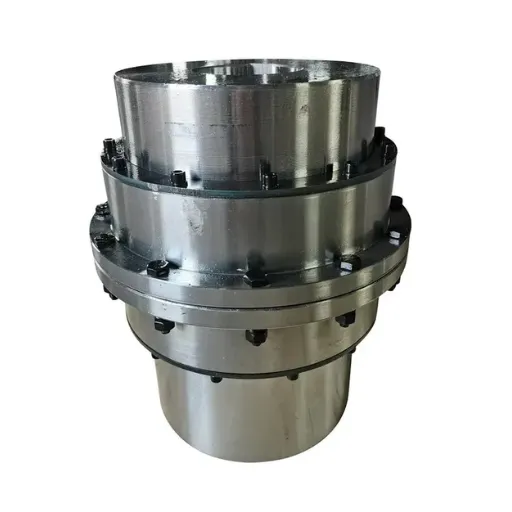
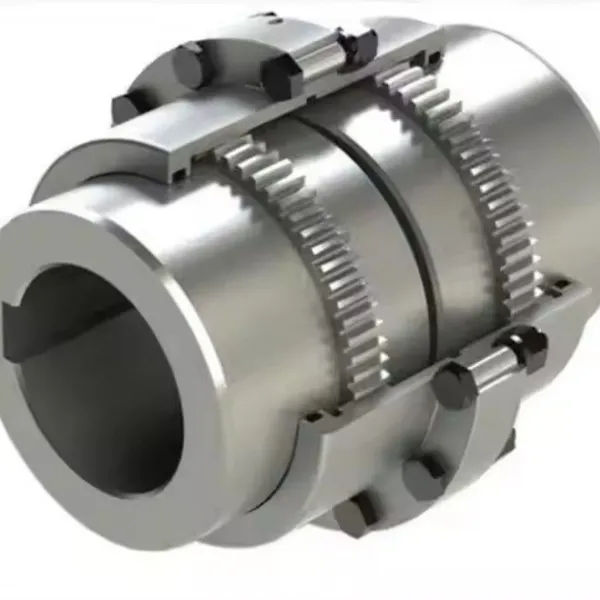
A gear coupling is a flexible shaft connector that transmits torque through meshing external and internal gear teeth. The teeth are usually crowned to allow angular, radial, and axial misalignment while maintaining contact across the tooth face. The mesh is lubricated, and the hubs and sleeve are sealed to retain grease or oil.
Gear couplings are used in high-torque, high-shock applications where smaller flexible couplings would fail. Common applications include steel rolling mills, mining crushers, cement kilns, cranes, and large pumps. They can handle very high torque in a compact package, but they require lubrication and periodic inspection.
At Hebei Suju, our GIICL drum gear couplings are designed for these heavy-duty environments. They are machined from forged alloy steel, heat-treated for wear resistance, and built to AGMA and ISO standards for industrial power transmission.
What Is a Flexible Coupling?
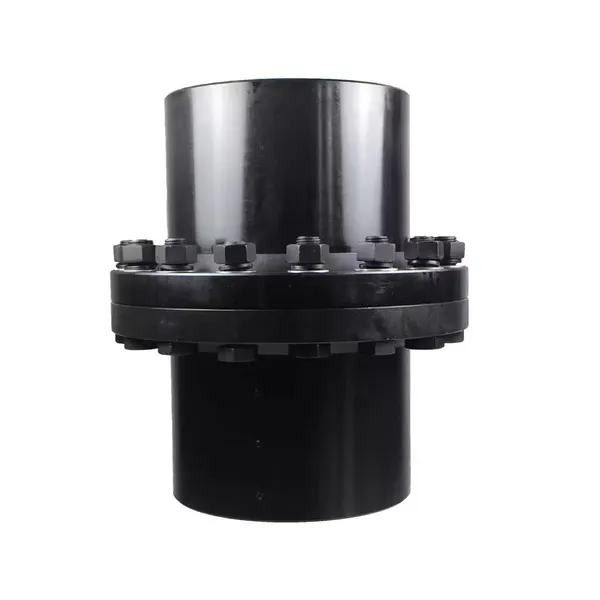
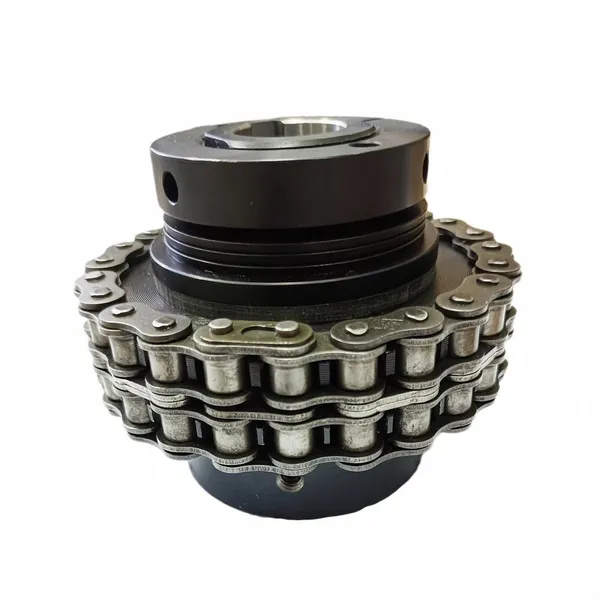
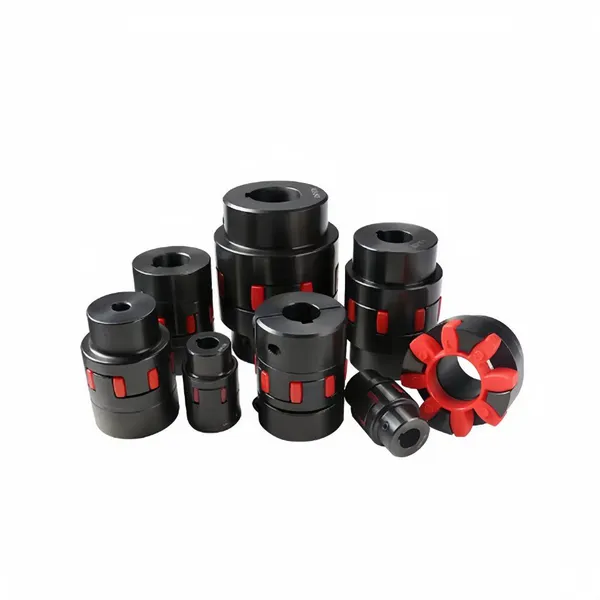
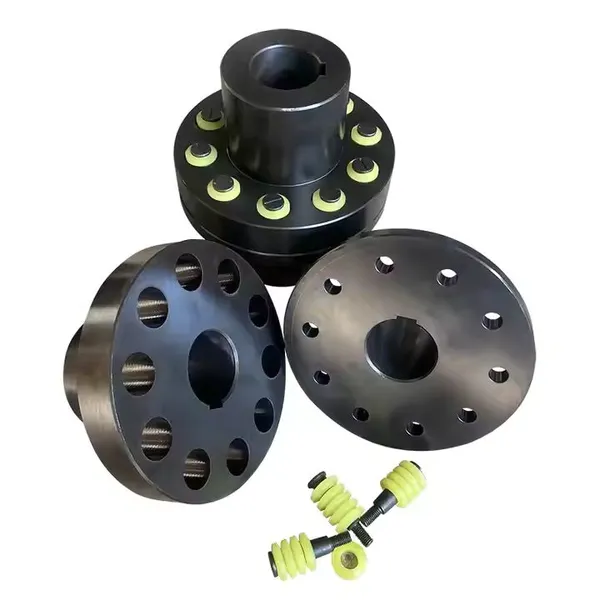
A flexible coupling connects two rotating shafts while allowing a limited amount of misalignment, vibration damping, and shock absorption. Unlike a gear coupling, most flexible couplings rely on an elastic element such as an elastomer spider, rubber tyre, metal diaphragm, or pin-and-bush assembly to transmit torque and absorb movement.
Flexible couplings are widely used in motor-pump sets, compressors, fans, conveyors, and general industrial machinery. They are lighter, easier to install, and often maintenance-free compared with lubricated gear couplings. The trade-off is lower torque capacity and reduced tolerance to severe shock loads.
Hebei Suju manufactures jaw couplings, tyre couplings, and pin-and-bush flexible couplings for medium-duty applications where low maintenance and vibration damping matter more than maximum torque capacity. With these two definitions in place, the gear coupling vs flexible coupling comparison becomes easier to apply.
Gear Coupling vs Flexible Coupling: Head-to-Head Comparison
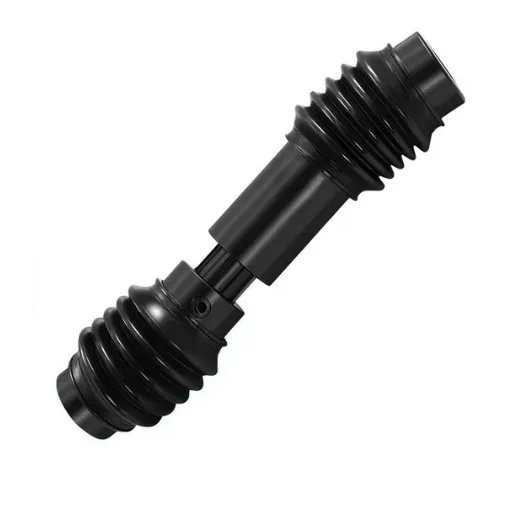
The easiest way to understand the difference is to compare the two designs side by side. The following table covers the factors that matter most in industrial drives.
| Factor | Gear Coupling | Flexible Coupling |
|---|---|---|
| Torque capacity | Very high | Low to medium |
| Misalignment tolerance | Moderate (angular, radial, axial) | Low to high depending on type |
| Vibration damping | Low | High for elastomer types |
| Shock load tolerance | High | Moderate to low |
| Lubrication | Required (grease or oil) | Usually none required |
| Maintenance | Periodic inspection and relubrication | Element replacement only |
| Operating speed | Wide range, balancing needed at high speed | Wide range, generally lower speeds |
| Backlash | Small | Zero backlash on some types |
| Size and weight | Heavier and more compact for torque | Lighter and bulkier for torque |
| Initial cost | Higher | Lower to moderate |
| Best applications | Steel mills, mining, cement, cranes | Pumps, fans, compressors, conveyors |
This comparison makes the general pattern clear: gear couplings dominate on torque and durability, while flexible couplings win on simplicity, damping, and maintenance ease. The right choice depends on the priorities of your application.
When to Choose a Gear Coupling
Choose a gear coupling when the application demands high torque, severe duty, or limited space. The meshing steel teeth can transmit far more power than elastomer elements, and they tolerate shock loads from crushers, mills, and reversing drives.
Consider a gear coupling when:
Torque exceeds 1,000 N·m. Elastomer couplings become oversized and impractical at high torque.
Shock loads are present. Gear couplings handle startup peaks, brake loads, and reversing cycles better than most flexible couplings.
Space is limited. A gear coupling can deliver very high torque in a small envelope.
The environment is hot or contaminated. Sealed gear couplings with proper lubrication perform better than exposed elastomer elements in high heat or dusty conditions.
The drive is critical. A failed spider or tyre can stop production instantly; a gear coupling gives earlier warning through vibration and temperature monitoring.
This is the point where the gear coupling vs flexible coupling decision usually tips toward the gear coupling.
When a Spanish steel mill upgraded its roughing mill stands, the engineering team selected a GIICL drum gear coupling because the peak torque during bite impact exceeded 40,000 N·m. A flexible coupling would have required an impractically large size and still risked element fatigue under reversing loads. The gear coupling has now run for two years without interruption.
When to Choose a Flexible Coupling
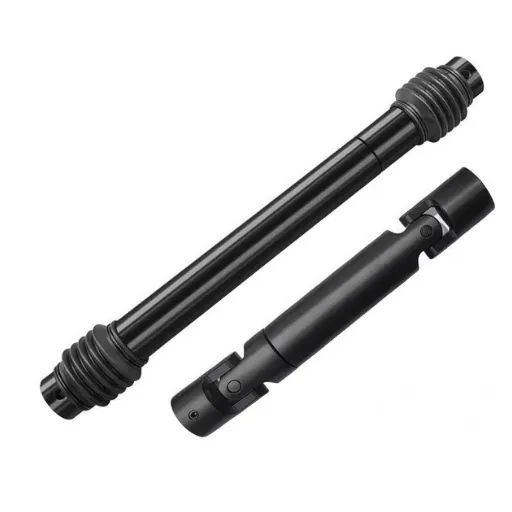
Choose a flexible coupling when the application needs vibration isolation, low maintenance, and only moderate torque. Elastomer and disc couplings protect motors, gearboxes, and bearings by absorbing shock and reducing vibration transmission.
Consider a flexible coupling when:
Torque is low to medium. Motor-pump and motor-fan sets rarely need the torque capacity of a gear coupling.
Vibration must be isolated. Elastomer couplings reduce vibration transmission to the motor and driven equipment.
Maintenance access is limited. A jaw or tyre coupling can be replaced without moving the connected machines.
The environment is clean. Flexible couplings are ideal in HVAC, food processing, and clean industrial environments where lubricant leakage is unacceptable.
Cost is a priority. Flexible couplings are generally cheaper to buy and install than gear couplings of equivalent bore capacity.
A water treatment plant in Brazil switched from a small gear coupling to a jaw coupling with a PU spider on its 75 kW pump motors. The pump ran smoothly, the vibration level dropped by 30%, and the maintenance team no longer had to manage lubrication schedules. The lower torque and clean environment made the flexible coupling the right choice.
Can a Gear Coupling Be Considered Flexible?
Yes, technically a gear coupling is a type of flexible coupling because the crowned teeth allow movement between the two shafts. However, in industrial terminology, the phrase "gear coupling vs flexible coupling" usually compares gear couplings with non-lubricated elastomer or disc couplings.
The important distinction is the element that provides flexibility:
Gear coupling: metal teeth provide flexibility through sliding contact; lubrication required.
Elastomer flexible coupling: rubber or polyurethane element provides flexibility; no lubrication.
Disc or diaphragm coupling: thin metal discs provide flexibility; no lubrication, precise backlash-free operation.
This is why coupling selection guides often separate gear couplings into their own category. The design, maintenance, and performance characteristics are different enough to deserve separate consideration.
Common Mistakes When Choosing Between Gear Coupling and Flexible Coupling
The wrong coupling choice often comes from focusing on one benefit while ignoring the rest of the application. Avoid these common mistakes:
Choosing a flexible coupling for high torque. An elastomer element will overheat and crack when torque exceeds its rating.
Choosing a gear coupling for vibration isolation. A gear coupling transmits more vibration than an elastomer design; it does not absorb shock the same way.
Ignoring misalignment type. A gear coupling handles angular and radial misalignment well, but a tyre coupling may handle larger radial offsets better.
Forgetting about maintenance. A gear coupling needs lubrication and seal inspection; a flexible coupling needs element inspection.
Copying the old coupling without analysis. A replacement coupling should match the actual duty, not just the old part number.
Under-specifying service factor. Heavy shock loads and reversing drives need a higher service factor regardless of coupling type.
When a Vietnamese paper mill replaced a worn coupling on its pulp refiner, the procurement team ordered the same size gear coupling because the old one had lasted eight years. They did not realize that the original had been selected for a peak torque of 12,000 N·m, but the new motor had a lower peak and higher vibration. A flexible coupling with a higher service factor would have been quieter, cheaper, and easier to maintain. The new gear coupling worked, but it cost more than necessary and added lubrication work that the site could have avoided.
Material and Construction Differences
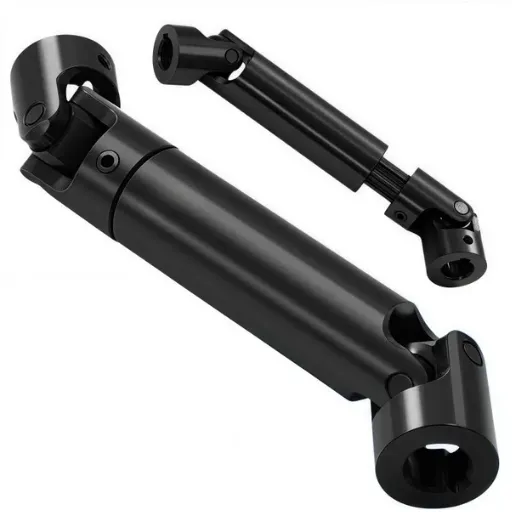
The performance difference between a gear coupling and a flexible coupling starts with the materials and construction.
Gear couplings use forged alloy steel hubs and sleeves. The teeth are hardened by induction or carburizing, then precision machined to mesh smoothly. The lubricant film separates the teeth under load and reduces wear. Seals retain the lubricant and exclude contamination.
Flexible couplings use a combination of metal hubs and a deformable element. The element can be rubber, polyurethane, a thin metal disc, or a tyre.
The material choice determines temperature limits, chemical resistance, and damping capacity. For example, a polyurethane spider handles moderate temperatures and oils but degrades in high heat. A metal disc handles high temperatures but does not absorb vibration as well as elastomer.
If your application involves temperatures above 120°C, aggressive chemicals, or abrasive dust, a gear coupling with proper seals and lubricant is usually the safer choice.
Installation and Maintenance Comparison
Installation differs between the two types as well.
A gear coupling requires accurate alignment, bolt torque control, and lubrication before operation. The hubs must be mounted with the correct interference fit, and the sleeve must be assembled with the correct orientation and grease fill. After startup, alignment should be checked under operating temperature because thermal growth can shift the shafts.
A flexible coupling is generally easier to install. The hubs are mounted on the shafts, and the flexible element is inserted. Many designs allow element replacement without moving the connected machines. Alignment tolerance is usually wider, but the coupling still needs to be sized correctly for the torque and misalignment.
Maintenance frequency also differs. Gear couplings need periodic inspection of lubricant condition, seals, and bolt torque. Flexible couplings need visual inspection of the elastomer element for cracks, wear, and contamination. In both cases, vibration monitoring and temperature checks will reveal problems before catastrophic failure.
For critical drives, Hebei Suju recommends keeping a spare coupling element or spare bolt set on site. For custom applications, our drawing-based customization service can match non-standard bore sizes, spacer lengths, or material requirements.
Cost of Ownership: Not Just the Purchase Price
When comparing gear coupling vs flexible coupling, look beyond the initial price. The total cost of ownership includes installation, lubrication, inspection, replacement elements, and downtime risk.
Gear couplings have a higher purchase price and higher maintenance labor because of lubrication. However, their long service life and high torque capacity can make them the cheaper option over ten years in severe applications.
Flexible couplings have a lower purchase price and lower maintenance in clean environments. But if the elastomer element needs frequent replacement, or if the coupling fails under shock load, the downtime cost can exceed the savings.
The best approach is to calculate the life-cycle cost based on duty cycle, environmental exposure, and required reliability. A gear coupling that lasts ten years in a steel mill may be far cheaper than replacing a flexible coupling every eighteen months.
Application-Based Decision Guide
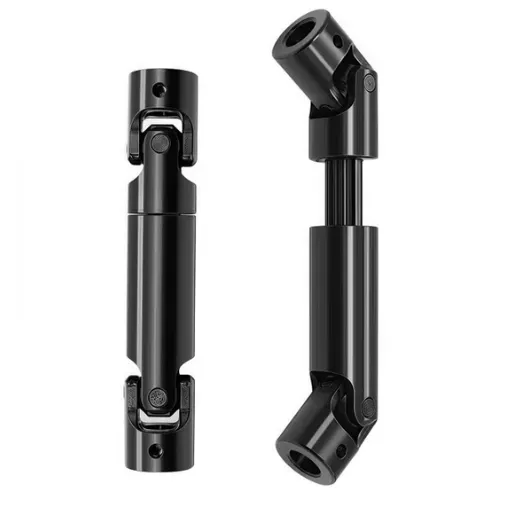
Use this decision guide to convert the gear coupling vs flexible coupling comparison into a quick selection rule.
| Application Conditions | Recommended Coupling | Reason |
|---|---|---|
| High torque, heavy shock | Gear coupling | Torque capacity and durability |
| Low to medium torque, vibration isolation | Flexible coupling | Damping, low maintenance |
| High speed, precision | Diaphragm or gear coupling | Balance and backlash control |
| Hot, dusty, wet environment | Sealed gear coupling | Lubrication protection |
| Clean HVAC, pump, fan | Flexible coupling | No lubrication, easy install |
| Reversing, frequent starts | Gear coupling or tyre coupling | Shock and fatigue resistance |
| Limited space, high torque | Gear coupling | Compact power density |
If your application sits on the boundary between the two categories, consult the coupling manufacturer with full operating data. The difference between success and failure often comes down to service factor, alignment, and lubrication detail.
Conclusion
Gear coupling vs flexible coupling is not a contest with one winner. It is a decision based on torque, duty, environment, and maintenance strategy. Gear couplings deliver unmatched torque capacity and durability in heavy-duty applications. Flexible couplings offer simplicity, vibration damping, and low maintenance for medium-duty machinery.
When you choose, start with the application requirements. Calculate torque, estimate misalignment, define the environment, and consider the total cost of ownership. Match the coupling type to the real operating conditions rather than the lowest purchase price.
At Hebei Suju, we manufacture both drum gear couplings and flexible couplings for industrial applications worldwide. If you are unsure whether your drive needs a gear coupling or a flexible coupling, send us your drawing or request a quotation for an engineering review.
Recently Posted
-
Jaw Coupling Spider Replacement: A Step-by-Step Maintenance Guide
July 28, 2026A maintenance technician at a packaging plant in Brazil noticed vibration on a motor-pump set during his morning rounds. The motor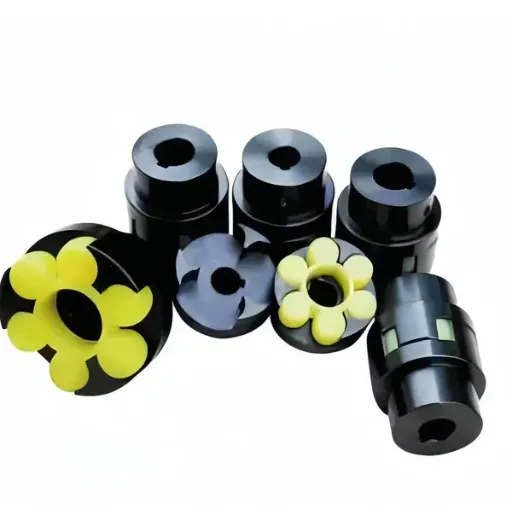 Read More
 -
Flexible Coupling for Motor Pump Sets: A Selection Guide
July 28, 2026A maintenance manager at a water treatment plant in Southeast Asia called us after replacing motor pump couplings three times in 1 Read More
 -
Flexible Shaft Coupling: Selection Guide for Industrial Drives
July 28, 2026When two rotating shafts are connected directly, even a small amount of misalignment can generate vibration, bearing load, and pre Read More
 -
Elastic Coupling: Vibration Control for Industrial Drives
July 28, 2026When a motor-pump set starts vibrating above acceptable limits, the first checks usually fall on bearing wear, impeller balance, o Read More

Contact Us
Recommended Products
-
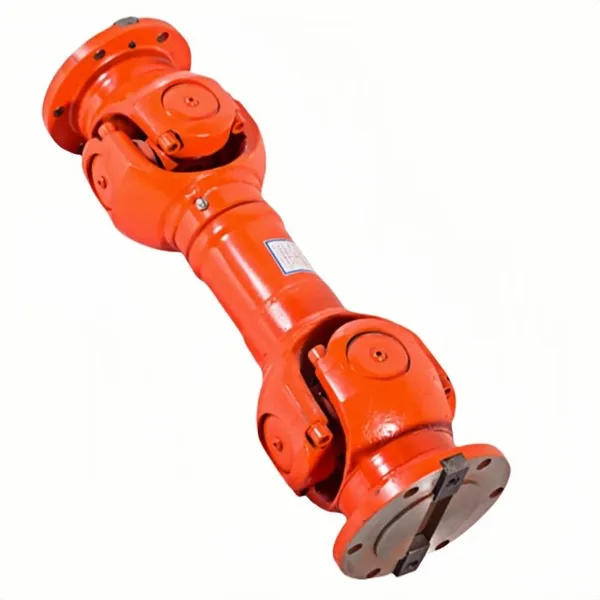
 OEM Customizable Cardan Shaft Coupling Flexible Rigid Steel for Air Compressor Propeller Universal Construction Printing ShopsNegotiableMOQ: 2 Pieces
 -
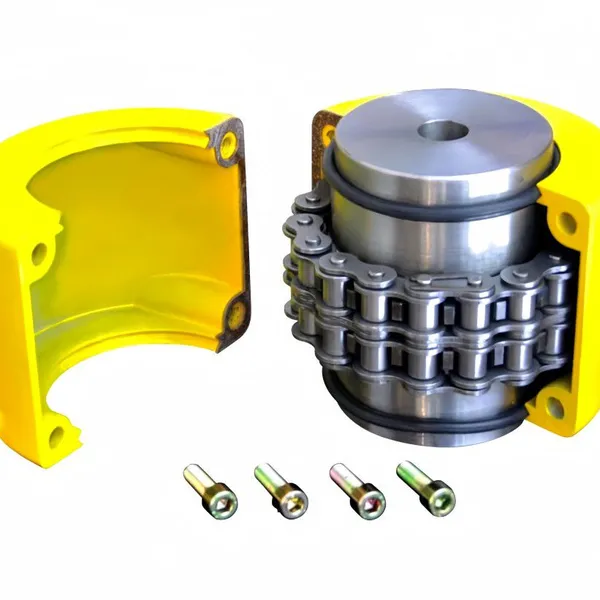
Kc Coulpling Roller Chain Coupling Set With Chain and Sprocket for General MachineryNegotiableMOQ: 1 Piece
-
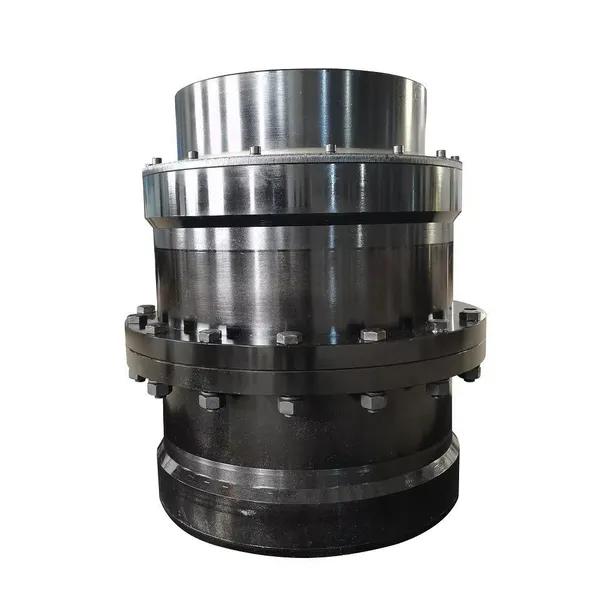
High Transmission Efficiency Drum Gear Coupling Easy Installation Gear Coupler For Heavy MachineryNegotiableMOQ: 10 Pieces
-
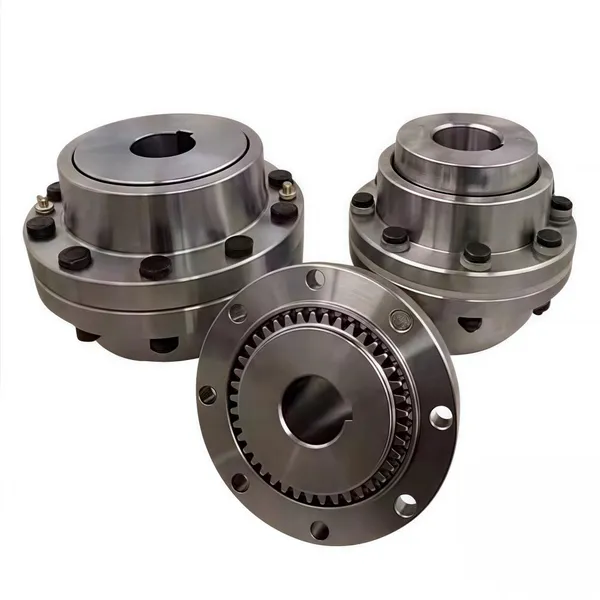
High-Torque Roller Chain Coupling Durable Steel Aluminium Construction Customizable Precision Engineering OEM Shaft CouplingsNegotiableMOQ: 2 Pieces
-
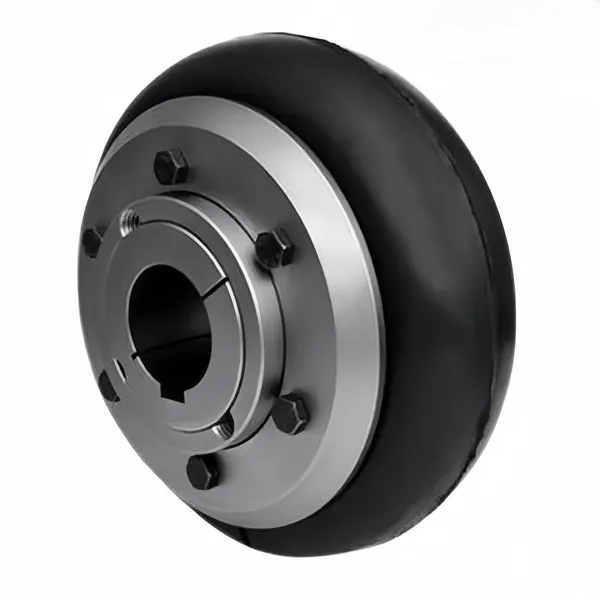
Customizable Rigid Iron Steel Aluminium Rubber Tyre Coupling OEM Support for Pumps Industrial Equipment Construction IndustriesNegotiableMOQ: 10 Pieces
-
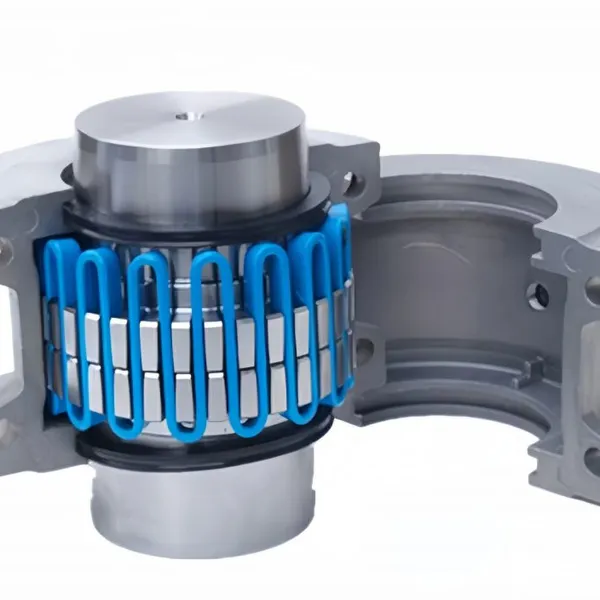
Jsb Flexible Grid Coupling With Metallic Elastic Element Factory Direct Spider Snake Spring CouplingNegotiableMOQ: 10 Pieces
-
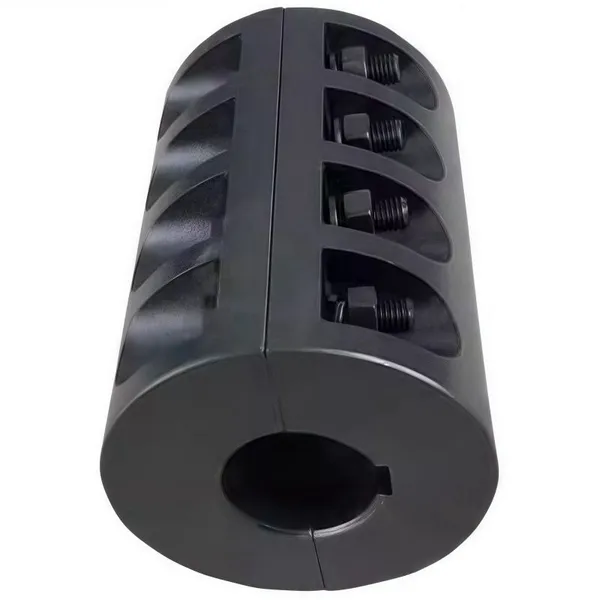
High Torque JQ/JQW Type Clamp Coupling for Motor & Gearbox 45 Steel Jacketed Iron Disc Structure Flexible Rigid OEM SupportedNegotiableMOQ: 2 Pieces
-
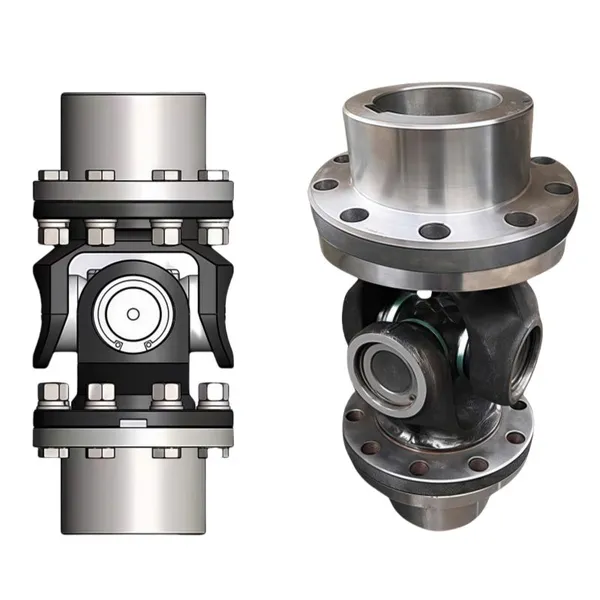
SWC Series Flange Universal Joint Coupling Hardened Cross Shaft Heavy Duty TransmissionNegotiableMOQ: 1 Piece
-
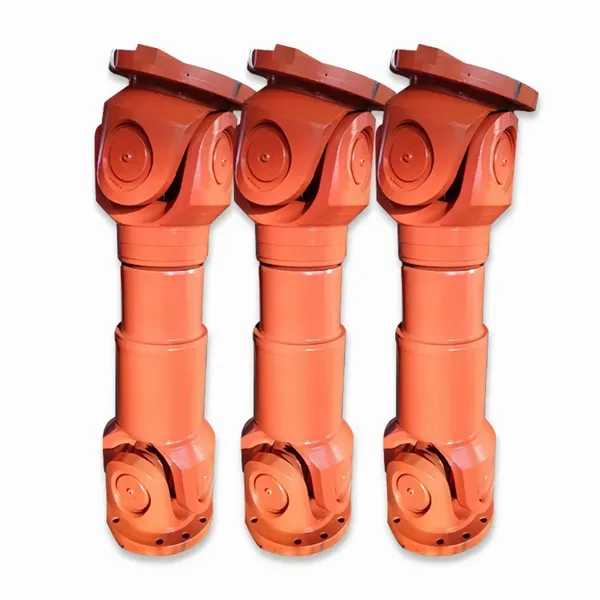
Heavy Duty Universal Coupling High Quality Universal Shaft for Machinery and EquipmentNegotiableMOQ: 1 Piece
-
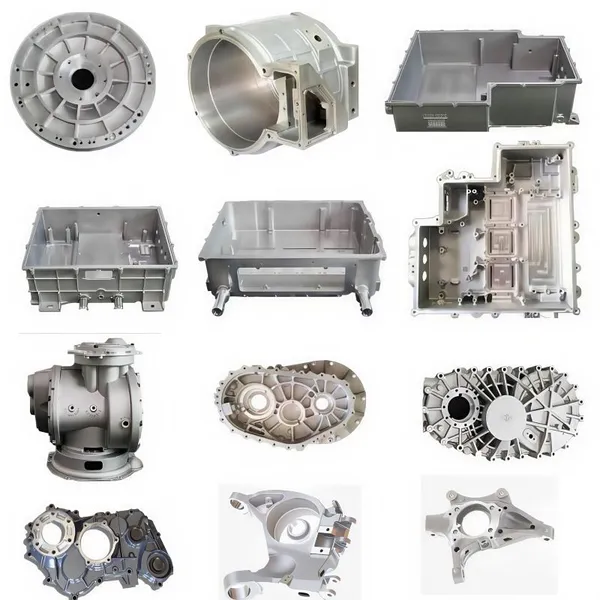
OEM Customized Precision Cast Iron Zinc Aluminum Die Castings New Hydraulic Parts Fittings 1 Year WarrantyNegotiableMOQ: 100 Pieces
-
Yl Series Rigid Flange Coupling Power Transmission PartsNegotiableMOQ: 2 Pieces
-
Flange Coupling for Water Pump and Compressor Applications With Rubber Gasket SealNegotiableMOQ: 2 Pieces
-
Heavy-Duty Telescopic Welding Cardan Shaft for Universal UseNegotiableMOQ: 1 Piece
-
Flexible Universal Shaft Flange Coupling for Marine and Industrial Drive SystemsNegotiableMOQ: 10 Pieces
-
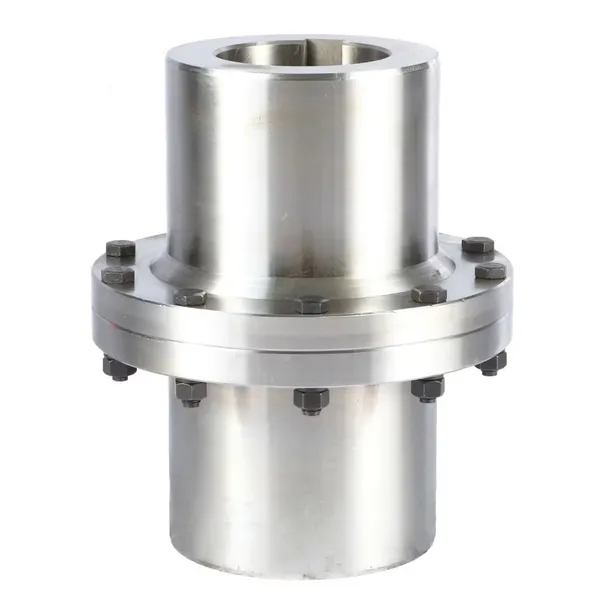
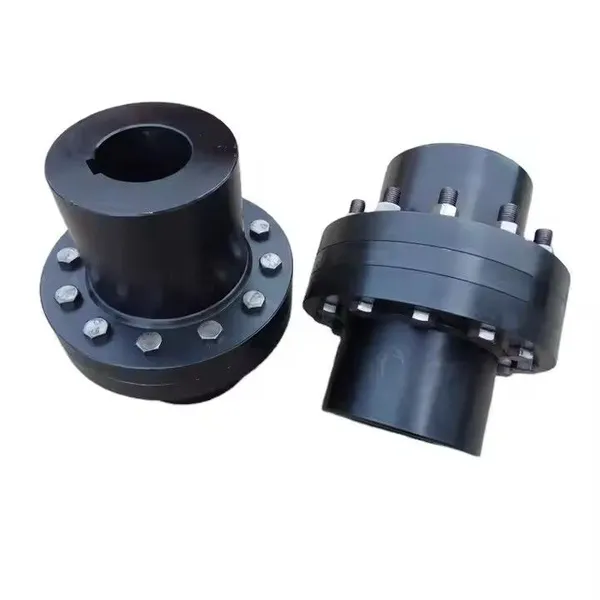
Durable Expansion Sleeve, Locking Assembly & Taper Lock Bushing for Robotic Arm JointsNegotiableMOQ: 1 Piece
-
High Quality Yl Type Rigid Flange Coupling Mechanical Transmission CouplingNegotiableMOQ: 2 Pieces
-
Stainless Steel Flexible Universal Joint Coupling for Motor Flange Gear Pump and Spline ShaftNegotiableMOQ: 1 Piece
-
Compact Drum Gear Coupling for Heavy Industrial Transmission High Torque CapacityNegotiableMOQ: 10 Pieces
-
Standard or Customized Jaw Beam (Helical) Flexible Coupling for General MachineryNegotiableMOQ: 10 Pieces
-
TL Series Elastic Pin Coupling Easy Replace Rubber Bush Coupling With Shaft Misalignment CompensationNegotiableMOQ: 10 Pieces