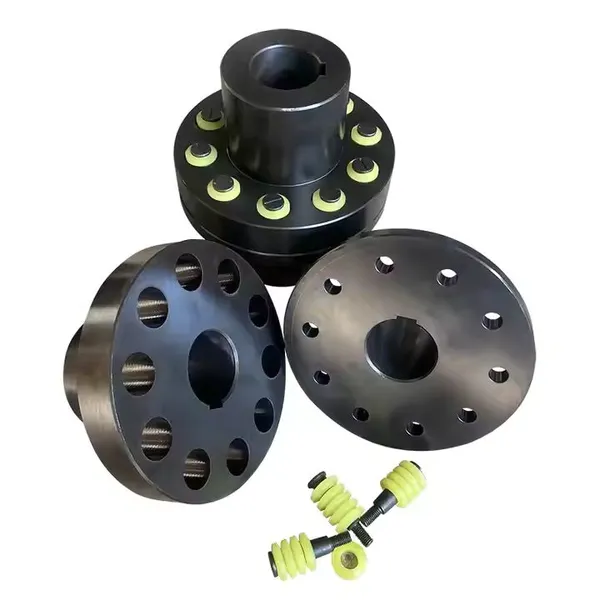

 Business License
Custom Coupling Manufacturer: From Drawing to Production
The maintenance manager stared at the worn coupling on the bench. The original supplier had discontinued the part years ago. The shaft spacing was non-standard, the bore was imperial, and the next production run was six weeks away.
A catalog coupling wouldn't fit. The only viable path was to find a custom coupling manufacturer who could reverse-engineer the sample, confirm the torque rating, and produce a matching replacement before the line restarted.
This scenario is more common than most buyers expect. Standard couplings work for new equipment with clean specifications, but industrial reality is messier. Legacy machines, modified drives, obsolete parts, and prototype projects often need a coupling that doesn't appear in any catalog. That's when a custom coupling manufacturer becomes the difference between a quick fix and months of downtime.
In this guide, you will learn what a custom coupling manufacturer does, when to choose custom over catalog, how the production process works, and what to look for in a supplier. Whether you are an OEM engineer developing new equipment or an MRO manager replacing a discontinued part, this article will help you source a coupling that fits your exact requirements.
What Does a Custom Coupling Manufacturer Do?
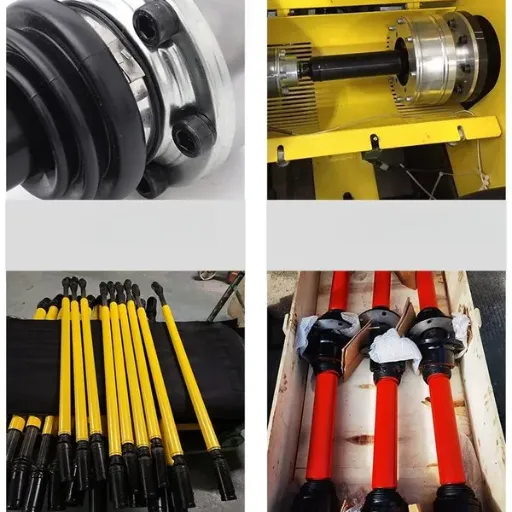
A custom coupling manufacturer designs and produces couplings that fall outside standard catalog dimensions, materials, or performance ratings. Instead of selecting a part number from a stock list, you provide a drawing, sample, or detailed specification. The manufacturer then reviews the design, selects materials, defines processes, and produces the coupling in the required quantity.
Custom manufacturing covers a wide range of adaptations. Common examples include:
Non-standard bore diameters or keyway sizes
Special spacer lengths for unusual shaft gaps
Modified torque ratings for heavy or high-shock loads
Special materials or coatings for corrosion, temperature, or wear resistance
Reverse-engineered replacements for obsolete couplings
Prototype samples for new equipment development
At Hebei Suju, our customization services cover gear couplings, flexible couplings, drum gear couplings, cardan shafts, and related transmission components. We work from customer drawings, CAD files, or physical samples. Quantities range from single pieces to volume production.
The value of a custom coupling manufacturer is not just machining ability. It is the engineering review that happens before cutting metal. A capable manufacturer will flag interference risks, suggest material alternatives, confirm heat treatment requirements, and find ways to reduce cost without sacrificing performance.
When Do You Need a Custom or Non-Standard Coupling?
Not every coupling problem requires a custom solution. If a catalog coupling matches your torque, speed, bore, and misalignment requirements, it's usually the fastest and most economical choice. However, custom manufacturing becomes necessary when one or more of the following conditions apply.
The Original Part Is Obsolete
Legacy equipment often outlives its original supplier. When the OEM no longer supports the coupling, a custom coupling manufacturer can reverse-engineer the worn part and produce a dimensionally equivalent replacement. This avoids expensive machine modifications or complete drive redesigns.
Shaft Dimensions Are Non-Standard
Catalog couplings are produced in common bore sizes and keyway configurations. If your shaft diameter, taper, or keyway does not match a standard series, a custom bore is required. This is common in older machinery and in equipment that has been rebuilt with modified shafts.
Space Between Shafts Is Unusual
Spacer-type couplings must bridge the gap between connected machines. If that gap is longer or shorter than standard catalog options, a custom spacer length is needed. Getting this dimension wrong causes axial loading, vibration, and premature wear.
Operating Conditions Exceed Catalog Ratings
High temperature, corrosive atmosphere, heavy shock loads, or frequent reversing duty may require special materials, seals, or heat treatment. A custom coupling manufacturer can specify alloy steel, stainless alternatives, protective coatings, or enhanced lubrication systems for these conditions.
You Are Developing New Equipment
OEM engineers often need prototype couplings for test rigs and pre-production machines. A custom manufacturer can produce small batches quickly, revise the design based on test results, and then scale to volume production once the design is frozen.
The Custom Coupling Manufacturing Process
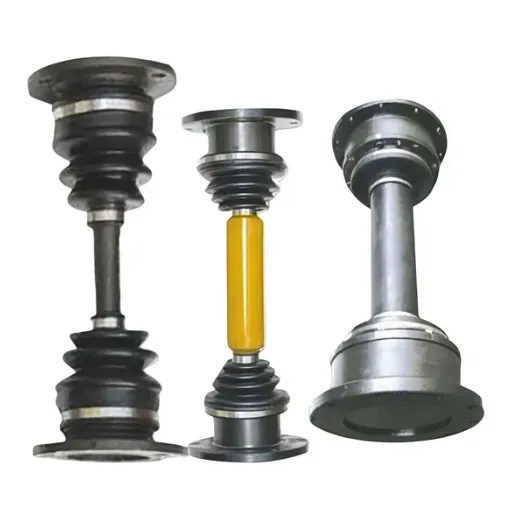
Understanding the production process helps you prepare a better inquiry and set realistic expectations. A well-run custom coupling manufacturer follows a structured workflow from drawing review through final inspection.
Types of Custom Couplings We Produce
A full-service custom coupling manufacturer should be able to produce several coupling families. Each type has its own design variables and manufacturing requirements.
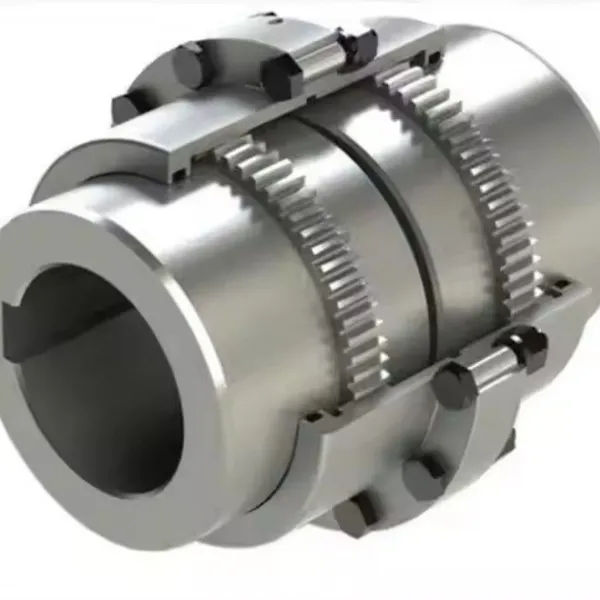
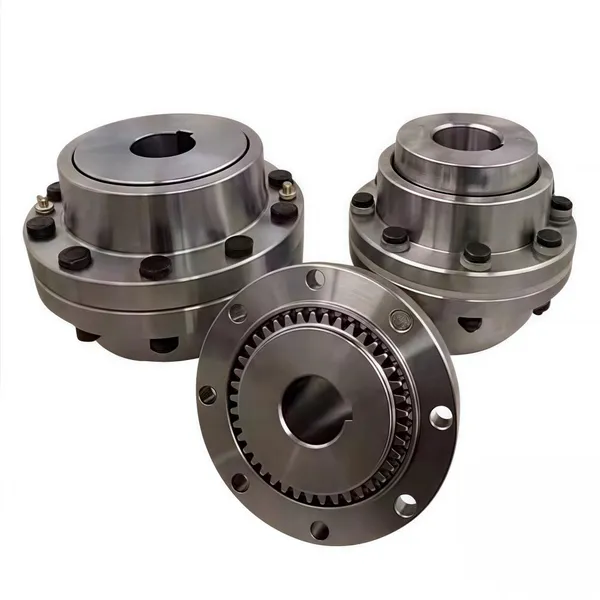
Custom gear couplings transmit torque through meshing external and internal gear teeth. The teeth are usually crowned to allow angular, radial, and axial misalignment. Custom versions can include special bore sizes, longer spacers, modified tooth profiles, and enhanced sealing. Hebei Suju produces GIICL drum gear couplings and related series for heavy machinery. Custom gear couplings are common in steel mills, mining crushers, cement kilns, and large industrial fans where standard sizes do not match existing equipment.
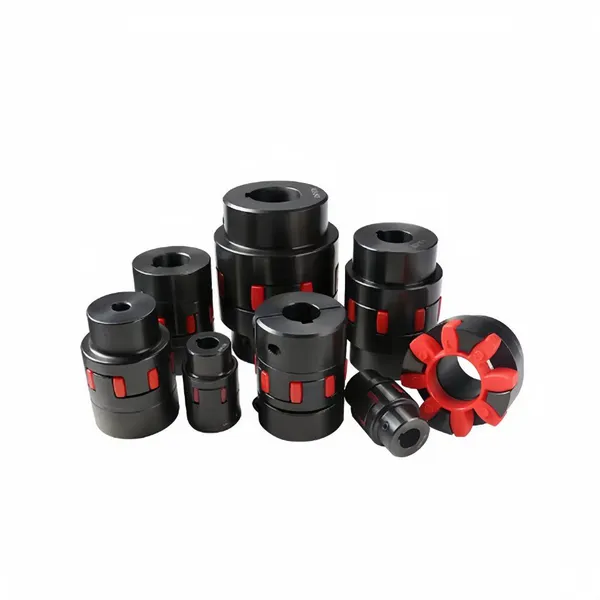
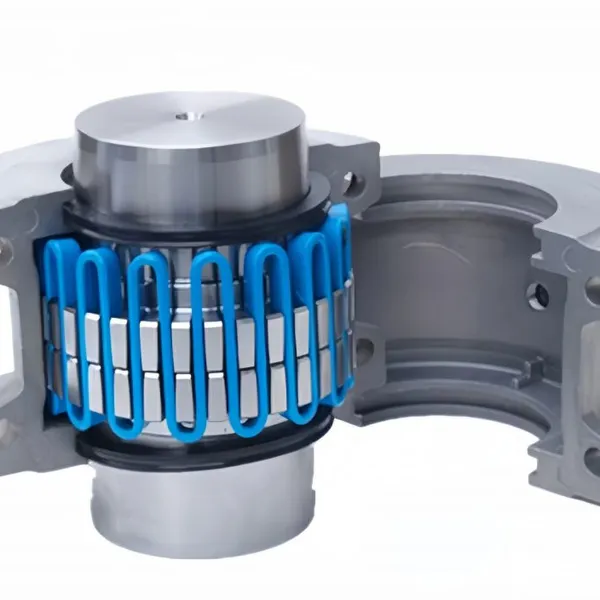
Custom flexible couplings use elastomer elements, metallic discs, or other compliant features to absorb vibration and misalignment. Custom versions can involve special spider materials, non-standard hub dimensions, or unique bore configurations. Our flexible coupling range includes jaw, tyre, pin and bush, and diaphragm styles. These are often used in pump motor sets, compressors, and automation equipment where space or alignment conditions are unusual.
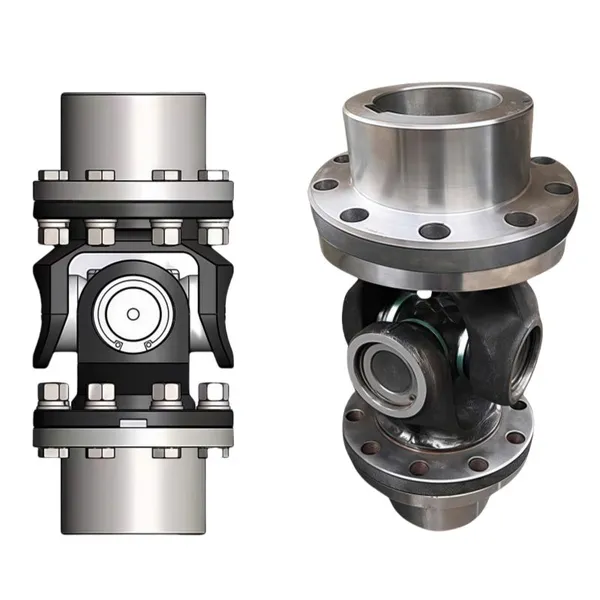
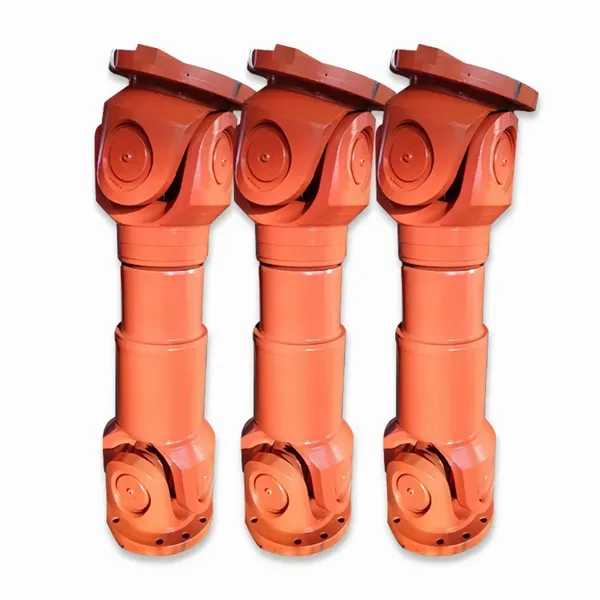
Custom cardan shafts transmit torque across large angles and long distances. Custom versions can include special flange patterns, telescopic lengths, and balancing grades for high-speed applications. These are common in rolling mills, mobile equipment, and long-distance shaft drives where standard shaft lengths or connection geometries do not fit.
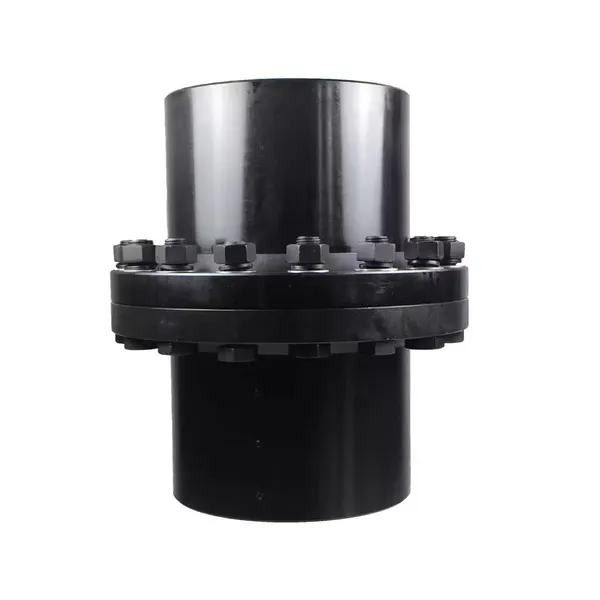
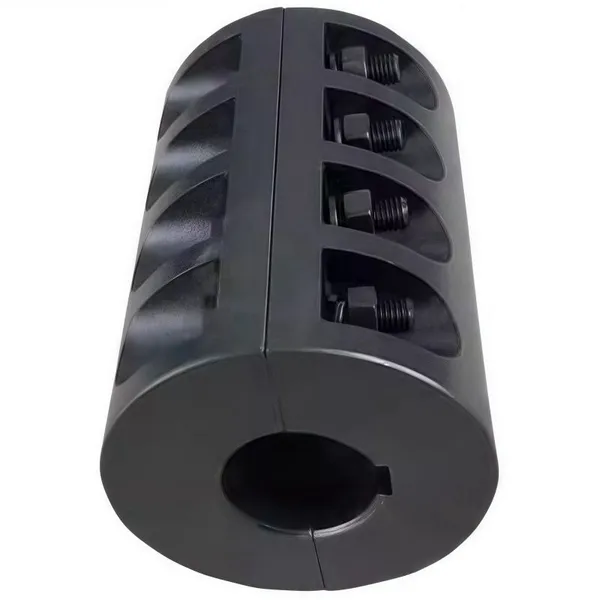
Custom rigid and specialty couplings, such as flange and clamp-style designs, can also be produced to drawing. These are often used in precision machinery, test stands, and retrofit projects where alignment is controlled and the connection must match existing hardware exactly.
Step 1: Drawing or Sample Submission
The process starts when you send a drawing, CAD file, or physical sample. The more detail provided, the faster the review. Key information includes:
Coupling type and intended application
Bore diameters, keyway sizes, and shaft tolerances
Overall dimensions and spacer length
Rated torque, peak torque, and maximum speed
Material requirements
Operating environment including temperature, dust, moisture, and chemicals
Quantity and delivery schedule
If you only have a worn sample, ship it to the manufacturer. A good supplier can measure the critical dimensions, assess wear patterns, and recommend improvements. You can send us your drawing or sample to start the process.
Step 2: Engineering Review
The engineering team checks the design for manufacturability. This review covers dimensional feasibility, material suitability, heat treatment and surface finish requirements, and whether standard components can reduce cost or lead time. If problems are found, the engineer proposes alternatives before quoting. This prevents expensive rework later.
Step 3: Quotation
Once the design is confirmed, the manufacturer provides a detailed quotation. A professional quote should include unit price, material specification, heat treatment and inspection scope, tooling or setup costs if applicable, delivery time, payment terms, and packing and shipping method. At Hebei Suju, we aim to respond to standard custom coupling inquiries within 24 hours. Complex projects may require more time for detailed process planning.
Step 4: Sample Production
For new designs or large orders, producing a sample first is wise. The sample lets you verify fit, finish, and performance before committing to volume. Sample costs are often credited against the first production order.
Step 5: Production and Inspection
After order confirmation, production follows a standardized sequence. For a custom gear coupling, this typically includes:
Material procurement and incoming inspection
Rough machining to near-net shape
Heat treatment for hardness and toughness
Finish machining, gear cutting, and grinding
Dimensional and hardness inspection
Surface treatment and preservation
Final assembly, lubrication, and packing
Each stage is documented under our full-process quality control system.
Step 6: Delivery and Support
The finished couplings are packed for export and shipped by sea or air according to your schedule. After delivery, the supplier should remain available for technical questions, installation guidance, and follow-up orders.
How to Choose and Quote a Custom Coupling Manufacturer
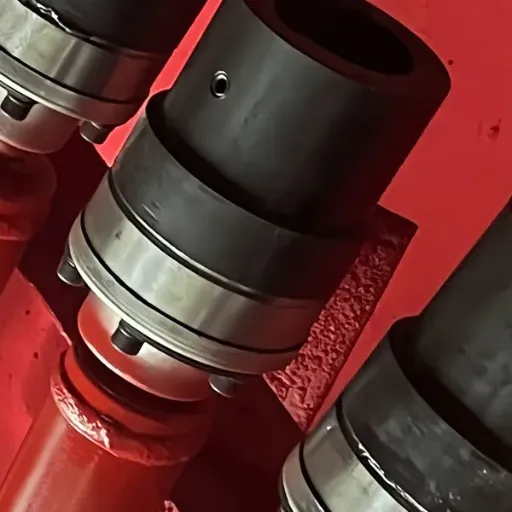
Choosing the right supplier is critical. A low quote means little if the part does not fit or fails prematurely. Evaluate custom coupling manufacturers on these factors.
Engineering Capability
Can the supplier review your drawing and identify problems before production? Do they have in-house engineers who understand torque, misalignment, and material selection? Engineering capability separates a manufacturer from a simple machine shop.
Manufacturing Range
A supplier with a broad product range can recommend the right coupling type instead of forcing your project into their limited catalog. Look for experience with gear couplings, flexible couplings, cardan shafts, and related transmission components.
Quality System and Certifications
Ask about certifications, inspection equipment, and documentation. ISO 9001 certification, material certificates, and inspection reports are minimum requirements for serious industrial buyers. Hebei Suju maintains ISO 9001, ISO 14001, and ISO 45001 certifications and provides inspection reports on request.
Customization Flexibility
Some manufacturers claim customization but impose high minimum order quantities or long lead times. A true custom coupling supplier should handle small batches, prototypes, and single-piece replacements when needed.
Communication and Track Record
Custom projects require back-and-forth communication. The supplier should respond promptly, ask clarifying questions, and keep you informed during production. Look for evidence of successful custom projects, application examples, export experience, and customer references. Hebei Suju supplies industrial buyers in more than 30 countries across Europe, Southeast Asia, the Middle East, Africa, and the Americas.
How to Request a Quote
A well-prepared inquiry speeds up quoting and reduces misunderstandings. Include technical specifications such as coupling type, bore diameter, keyway size, overall length, rated torque, peak torque, maximum speed, allowable misalignment, and operating environment. Also include quantity, schedule, drawing or CAD file format, photos of the installed location if available, and material or standard references such as AGMA or DIN requirements.
If you are unsure about any of these items, a capable supplier will guide you through the requirements. At Hebei Suju, we review each inquiry and ask the questions needed to prepare an accurate quotation. You can request a quotation directly from our team.
Applications, Quality Assurance, and Common Mistakes
Custom couplings appear wherever standard parts cannot meet the mechanical or dimensional demands of the equipment. Here are the industries we serve most often, along with quality and sourcing advice.
Common Industries
Steel and metallurgy: Rolling mills, continuous casting lines, and coilers use custom gear couplings and cardan shafts to handle high torque, shock loads, and non-standard shaft layouts. Reverse-engineered replacements are common when original equipment manufacturers discontinue support.
Mining and cement: Crushers, mills, kilns, and conveyors operate in dusty, high-load conditions. Custom couplings may require special seals, longer spacers, or harder tooth surfaces to survive the environment.
Chemical and process industry: Pumps, compressors, and mixers often need corrosion-resistant materials or special coatings. Custom flexible couplings and gear couplings can be specified with compatible materials and enhanced sealing.
Automation and precision machinery: Servo-driven equipment and automation lines use compact, low-backlash couplings. Custom diaphragm or bellows couplings may be required when space is limited or when the drive must match a specific motor shaft geometry.
Quality Assurance in Custom Coupling Manufacturing
Quality cannot be an afterthought in custom work. Without standardized tooling and repeatable processes, each custom part must be verified individually. A reliable custom coupling manufacturer integrates quality checks throughout production.
Incoming material inspection verifies raw materials against specifications. For alloy steel couplings, this includes chemical composition checks, hardness tests, and mill test report review.
In-process dimensional checks catch deviations early. Key dimensions such as bore diameter, tooth profile, and spacer length are measured against the drawing. Heat treatment verification through hardness testing confirms that teeth and wear surfaces meet requirements. For gear couplings, surface hardness and core toughness are both important.
Before shipment, the coupling undergoes final dimensional inspection, visual check, and functional verification where applicable. Inspection reports and material certificates are provided on request.
Common Mistakes to Avoid
Even experienced buyers can make errors that delay projects or produce unsuitable parts. Avoid these common mistakes:
Providing an incomplete drawing: Missing tolerances, unspecified materials, or unclear heat treatment requirements force the manufacturer to guess. Always review your drawing for completeness before sending it.
Copying a worn sample exactly: A worn coupling may already be out of specification. Reverse engineering should account for original design intent and current application requirements, not just replicate every worn dimension.
Ignoring operating environment: Temperature, dust, moisture, and chemicals affect material selection and sealing. Failing to communicate these conditions leads to premature failure.
Choosing solely on price: The cheapest quote may omit critical steps such as heat treatment verification or final inspection. Compare quotations on scope, not just price.
Setting unrealistic lead times: Custom manufacturing takes longer than pulling a part from stock. Build realistic timing into your maintenance schedule or project plan.
Real-World Custom Coupling Examples
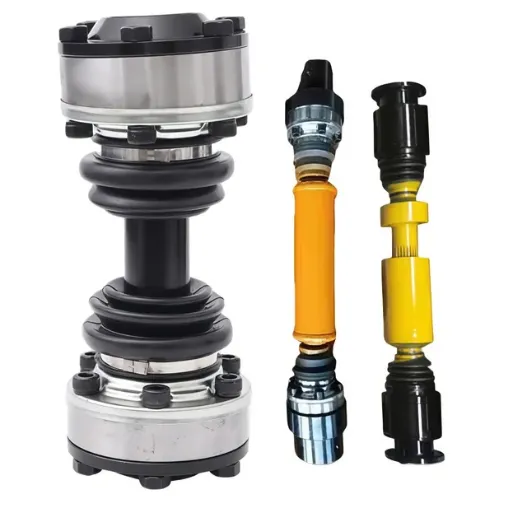
The following scenarios illustrate how a custom coupling manufacturer solves real industrial problems.
The Discontinued Rolling Mill Coupling
When a steel plant in Southeast Asia needed to replace a coupling on a 1980s rolling mill, the original European manufacturer no longer produced the part. The maintenance team removed the worn coupling and sent it to Hebei Suju for reverse engineering. Our engineers measured the bore, tooth profile, and spacer length, then recommended 42CrMo alloy steel with induction-hardened teeth. A sample was produced and inspected within three weeks. After fit verification, the plant ordered four replacement units. The line was back in operation without modifying the existing drive layout.
The Prototype Automation Drive
An OEM engineer named Liu was developing a compact servo-driven indexing table. Standard couplings were either too long or could not handle the required torsional stiffness. Liu sent a STEP file with modified hub dimensions and a special diaphragm thickness. Hebei Suju produced five prototype couplings in two weeks. After bench testing, the design was refined once more, then scaled to a 200-piece production order. The custom coupling became a standard component in the company's automation product line.
The Chemical Plant's Corrosion Problem
A chemical plant on the coast was replacing flexible couplings every eight months due to salt-air corrosion. The standard couplings used cast iron hubs and standard elastomer spiders that degraded quickly. The plant sent a drawing to Hebei Suju requesting stainless steel hubs and a fluorocarbon elastomer spider. The custom coupling cost more upfront, but service life extended beyond three years. The maintenance manager later noted that the upgrade paid for itself in reduced downtime and labor.
Conclusion
A custom coupling manufacturer solves problems that catalog suppliers cannot. Whether you need a reverse-engineered replacement for legacy equipment, a prototype for a new machine, or a special design for harsh operating conditions, the right manufacturing partner turns your drawing or sample into a reliable production part.
Success depends on choosing a supplier with real engineering capability, documented quality systems, and experience across coupling types. It also depends on clear communication. Provide complete drawings, describe the operating environment, and be realistic about quantities and lead times.
At Hebei Suju, we operate as a custom coupling manufacturer for machinery builders, steel plants, mining operations, cement plants, chemical processors, and automation equipment builders. We produce custom couplings from customer drawings and samples, and our process covers engineering review, sample production, full-process inspection, and export delivery.
Recently Posted
-
Jaw Coupling Spider Replacement: A Step-by-Step Maintenance Guide
July 28, 2026A maintenance technician at a packaging plant in Brazil noticed vibration on a motor-pump set during his morning rounds. The motor Read More
 -
Flexible Coupling for Motor Pump Sets: A Selection Guide
July 28, 2026A maintenance manager at a water treatment plant in Southeast Asia called us after replacing motor pump couplings three times in 1 Read More
 -
Flexible Shaft Coupling: Selection Guide for Industrial Drives
July 28, 2026When two rotating shafts are connected directly, even a small amount of misalignment can generate vibration, bearing load, and pre Read More
 -
Elastic Coupling: Vibration Control for Industrial Drives
July 28, 2026When a motor-pump set starts vibrating above acceptable limits, the first checks usually fall on bearing wear, impeller balance, o Read More

Contact Us
Recommended Products
-
 OEM Customizable Cardan Shaft Coupling Flexible Rigid Steel for Air Compressor Propeller Universal Construction Printing ShopsNegotiableMOQ: 2 Pieces
 -
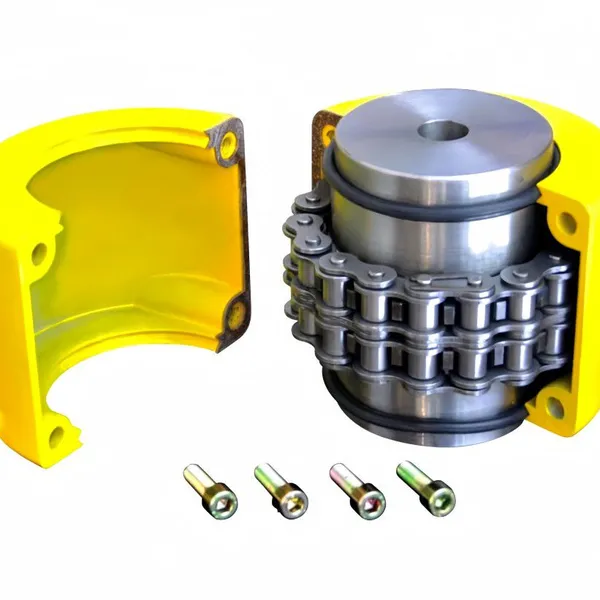
Kc Coulpling Roller Chain Coupling Set With Chain and Sprocket for General MachineryNegotiableMOQ: 1 Piece
-
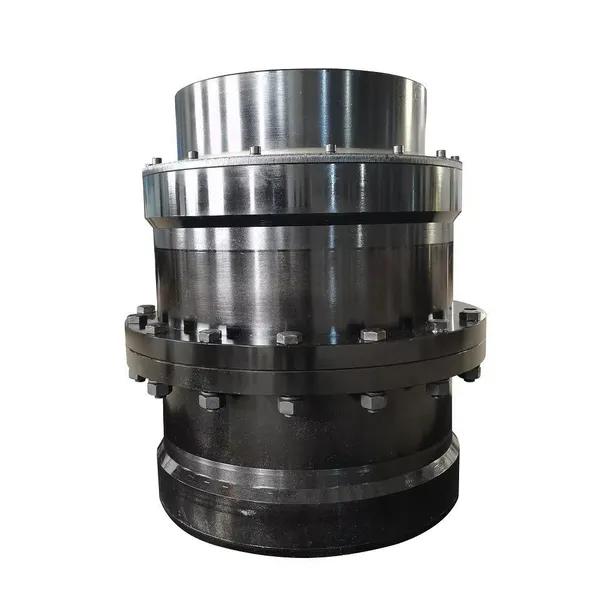
High Transmission Efficiency Drum Gear Coupling Easy Installation Gear Coupler For Heavy MachineryNegotiableMOQ: 10 Pieces
-
High-Torque Roller Chain Coupling Durable Steel Aluminium Construction Customizable Precision Engineering OEM Shaft CouplingsNegotiableMOQ: 2 Pieces
-
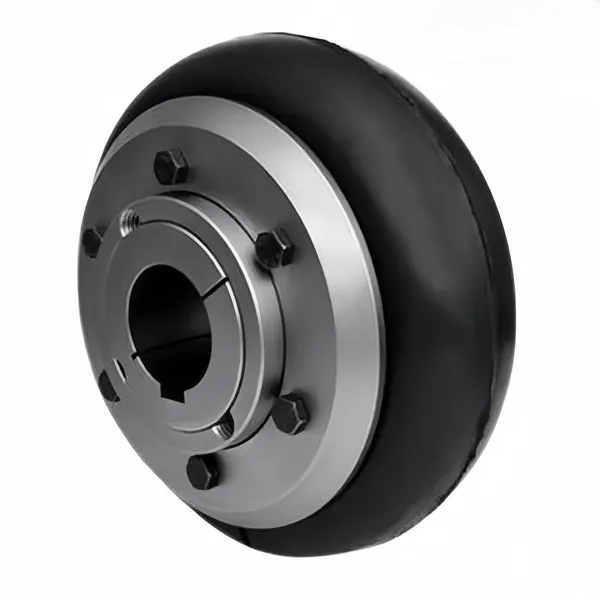
Customizable Rigid Iron Steel Aluminium Rubber Tyre Coupling OEM Support for Pumps Industrial Equipment Construction IndustriesNegotiableMOQ: 10 Pieces
-
Jsb Flexible Grid Coupling With Metallic Elastic Element Factory Direct Spider Snake Spring CouplingNegotiableMOQ: 10 Pieces
-
High Torque JQ/JQW Type Clamp Coupling for Motor & Gearbox 45 Steel Jacketed Iron Disc Structure Flexible Rigid OEM SupportedNegotiableMOQ: 2 Pieces
-
SWC Series Flange Universal Joint Coupling Hardened Cross Shaft Heavy Duty TransmissionNegotiableMOQ: 1 Piece
-
Heavy Duty Universal Coupling High Quality Universal Shaft for Machinery and EquipmentNegotiableMOQ: 1 Piece
-
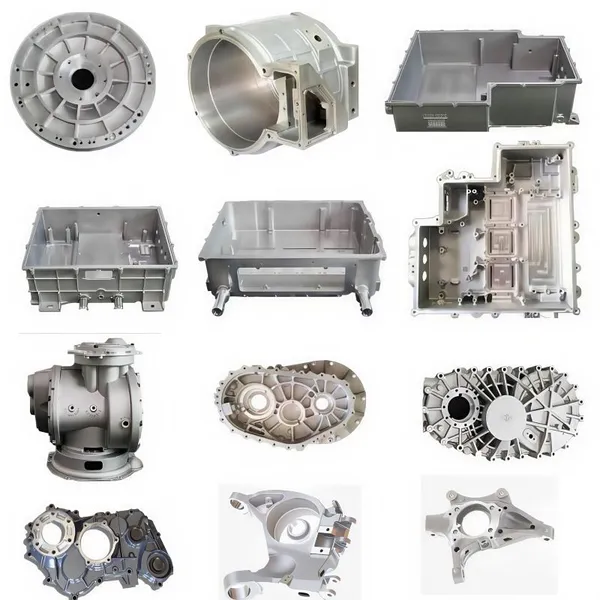
OEM Customized Precision Cast Iron Zinc Aluminum Die Castings New Hydraulic Parts Fittings 1 Year WarrantyNegotiableMOQ: 100 Pieces
-
Yl Series Rigid Flange Coupling Power Transmission PartsNegotiableMOQ: 2 Pieces
-
Flange Coupling for Water Pump and Compressor Applications With Rubber Gasket SealNegotiableMOQ: 2 Pieces
-
Heavy-Duty Telescopic Welding Cardan Shaft for Universal UseNegotiableMOQ: 1 Piece
-
Flexible Universal Shaft Flange Coupling for Marine and Industrial Drive SystemsNegotiableMOQ: 10 Pieces
-
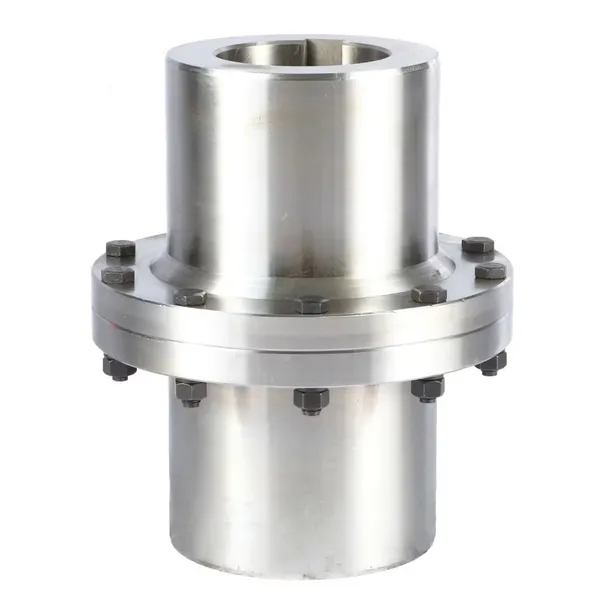
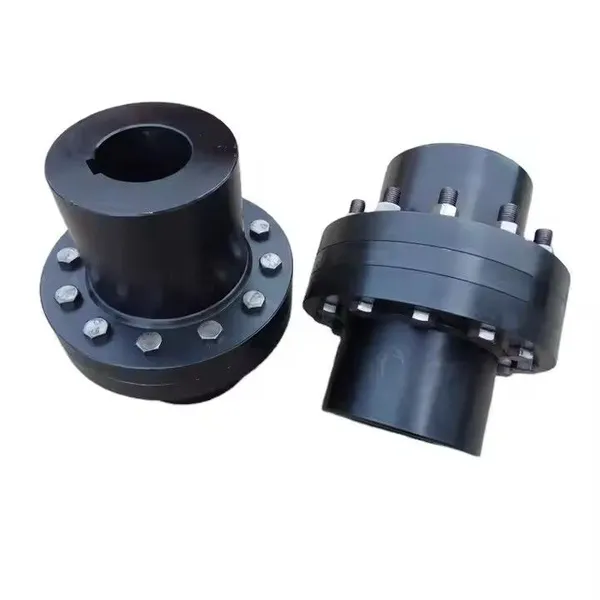
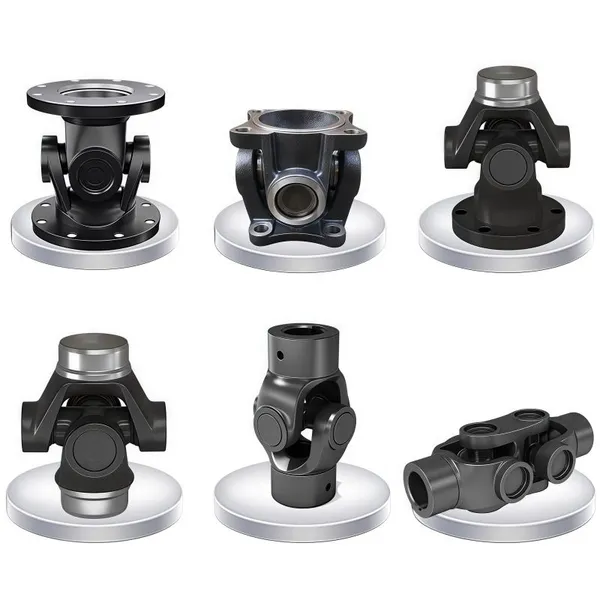
Durable Expansion Sleeve, Locking Assembly & Taper Lock Bushing for Robotic Arm JointsNegotiableMOQ: 1 Piece
-
High Quality Yl Type Rigid Flange Coupling Mechanical Transmission CouplingNegotiableMOQ: 2 Pieces
-
Stainless Steel Flexible Universal Joint Coupling for Motor Flange Gear Pump and Spline ShaftNegotiableMOQ: 1 Piece
-
Compact Drum Gear Coupling for Heavy Industrial Transmission High Torque CapacityNegotiableMOQ: 10 Pieces
-
Standard or Customized Jaw Beam (Helical) Flexible Coupling for General MachineryNegotiableMOQ: 10 Pieces
-
TL Series Elastic Pin Coupling Easy Replace Rubber Bush Coupling With Shaft Misalignment CompensationNegotiableMOQ: 10 Pieces