
 Business License
GIICL Coupling: Specifications, Applications, and Selection Guide
A rolling mill engineer named Tomas faced a problem at 2 a.m. The drum gear coupling on his finishing stand had stripped its teeth during a peak order run. The original supplier needed eight weeks for a replacement, and every hour of downtime cost the plant thousands in lost tonnage. By morning, Tomas had a worn sample in a crate and a single question: could anyone reverse-engineer a GIICL coupling fast enough to save the shutdown window?
If you have ever sized a coupling for a high-torque drive, you already know the stakes. The GIICL coupling is one of the most widely used drum gear couplings in heavy industry because it carries large torque in a compact envelope and tolerates the misalignment that real equipment produces. Choose the right one and the drive runs for years. Choose the wrong one and you inherit vibration, tooth wear, and unplanned downtime.
In this guide, you will learn what a GIICL coupling is, how to read its specifications, where it performs best, and how to select the right size for your application. We will also cover the manufacturing details that separate a reliable coupling from a liability, and when a standard catalog part is not enough.
What Is a GIICL Drum Gear Coupling?
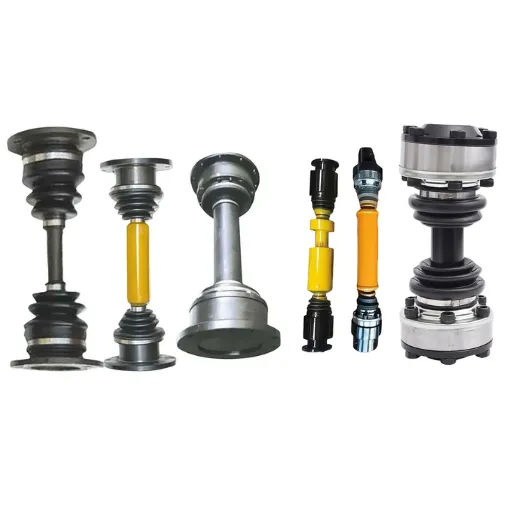
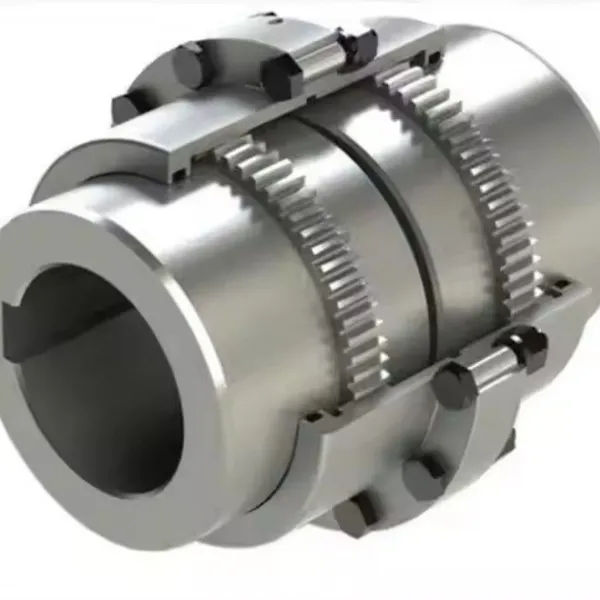
A GIICL coupling is a drum gear coupling that transmits torque through meshing external and internal gear teeth. The "drum" refers to the crowned tooth profile on the hub, which allows the coupling to accommodate angular, radial, and axial misalignment while keeping contact across the tooth face. Unlike a rigid coupling, a GIICL drum gear coupling can flex slightly without losing torque transmission.
The design is built around four main components:
Two external gear hubs that mount to the shafts
Two internal gear sleeves that connect the hubs
A spacer or intermediate sleeve on double-engagement versions
Seals and fasteners that retain lubricant and exclude contamination
The crowned teeth are the key feature. They let the sleeve rock slightly on the hub, which compensates for thermal growth, foundation settlement, and assembly tolerance. This is why the GIICL coupling shows up on drives that cannot be aligned to laser precision in the field.
At Hebei Suju, we manufacture GIICL drum gear couplings from forged alloy steel. Each hub and sleeve is machined, heat-treated, and inspected before assembly, so the coupling arrives ready for service.
GIICL Coupling Specifications and Dimensions
Reading a GIICL coupling catalog starts with the size number. The number corresponds to a rated torque range and a maximum bore diameter. As the size increases, so do the allowable torque, the outer diameter, and the weight.
Key specifications to verify include:
Rated torque (N·m): The continuous torque the coupling can transmit.
Peak torque: The short-term overload the teeth can survive.
Maximum bore (mm): The largest shaft diameter the hub accepts.
Maximum speed (RPM): The highest safe operating speed.
Allowable misalignment: Angular, radial, and axial limits.
Outer diameter and length: The space the coupling occupies.
Weight and moment of inertia: Important for high-speed drives.
As a reference point, a mid-size GIICL coupling might be rated for tens of thousands of newton-meters and accept bores above 100 mm. Larger sizes serve rolling mills and kiln drives, while smaller sizes suit pumps, fans, and conveyors. The exact figures depend on the series and the manufacturer.
The table below summarizes how the main specifications relate to application requirements.
| Specification | What It Tells You | Why It Matters |
|---|---|---|
| Rated torque | Continuous torque capacity | Must exceed adjusted torque with service factor |
| Maximum bore | Largest shaft the hub accepts | Confirms the coupling fits your shaft |
| Maximum speed | Highest safe operating RPM | Prevents imbalance and vibration at speed |
| Angular misalignment | Angle the coupling can tolerate | Protects teeth from edge loading |
| Outer diameter | Radial space the coupling needs | Confirms clearance around the drive |
| Weight and inertia | Rotating mass of the coupling | Affects high-speed and reversing drives |
When you request a quotation, always share the shaft diameters, the required torque, the operating speed, and the spacer length if the coupling sits between two machines. These four values let the supplier confirm the correct size and avoid a mismatch.
Need a second opinion on sizing? Send our engineers your drive data and we will confirm the right GIICL coupling before you order.
Where GIICL Couplings Are Used
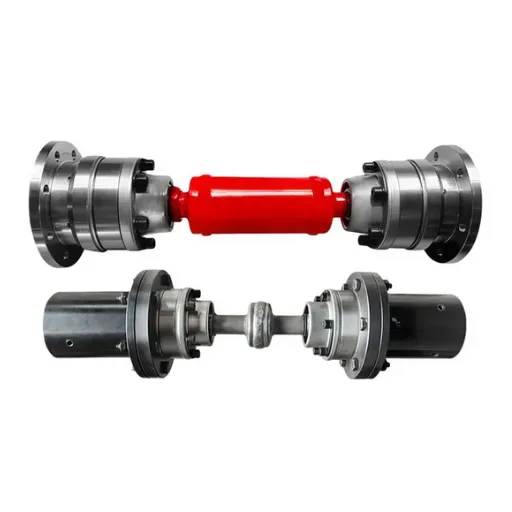
The GIICL coupling earns its place wherever torque is high and conditions are harsh. Three industries account for most of the demand.
Steel and Metallurgy
Rolling mills, continuous casting lines, and coiler drives push enormous torque through gear couplings. The coupling must absorb the shock of a slab biting into the rolls and tolerate the misalignment that comes from roll changes. A GIICL drum gear coupling is the standard choice for these drives because it combines torque capacity with a serviceable design. Suppliers serving this sector, including our work in steel and metallurgy applications, need to understand crowned tooth profiles and lubrication systems.
Mining and Cement
Crushers, ball mills, rotary kilns, and heavy conveyors operate in dusty, high-load environments. A GIICL coupling here must resist contamination and survive overload events. Sealed designs and proper grease selection matter as much as the rated torque.
A maintenance team in Peru learned this when an open coupling on a clinker conveyor filled with dust and wore out in four months. Switching to a sealed GIICL coupling with the right lubricant pushed service life past two years.
Pumps, Fans, and General Machinery
Not every GIICL coupling works in a steel plant. Smaller sizes connect motors to pumps, fans, and gearboxes across general industry. In these applications, the coupling protects bearings from shock and compensates for the misalignment that develops over time. The same design principles apply, just at a smaller scale.
How to Select a GIICL Coupling
Selecting a GIICL coupling comes down to five factors: torque, speed, misalignment, bore, and environment. Get any one of them wrong and the coupling won't last.
1. Calculate the Required Torque
Start with the motor power and operating speed, then apply a service factor. A light, steady load might use a service factor near 1.5. A reversing mill with heavy shock can demand 2.5 or higher. Standards such as AGMA publish service factor guidance for common applications.
The simple method works like this:
Calculate nominal torque from power and speed.
Multiply by the application service factor.
Select a GIICL coupling whose rated torque meets or exceeds the result.
2. Confirm the Operating Speed
Gear couplings handle a wide speed range, but high-speed drives need attention to balance. Above roughly 3,000 RPM, specify dynamic balancing to the appropriate ISO grade. An unbalanced GIICL coupling at speed creates vibration, bearing load, and noise that shorten the life of the entire drive train.
3. Estimate the Misalignment
Measure or estimate the angular, radial, and axial misalignment the coupling will see. Select a size whose allowable values exceed your estimate with margin. If the layout needs axial movement for maintenance, a spacer-type GIICL coupling lets you remove the center section without moving the connected machines.
4. Match the Bore and Keyway
The hub bore must fit the shaft with the correct interference or clearance. Provide the shaft diameter, keyway size, and tolerance. If your shaft is non-standard, a custom bore is often the simplest solution.
5. Account for the Environment
Temperature, dust, moisture, and chemicals affect material, seals, and lubricant. For outdoor or dusty service, specify a sealed GIICL coupling. For corrosive atmospheres, discuss coating or material options with the manufacturer.
For a step-by-step walkthrough, our coupling selection guide covers the process in more detail.
Manufacturing Quality: What Sets a Reliable GIICL Coupling Apart
Two GIICL couplings can look identical on a drawing and perform very differently in service. The difference is in the manufacturing.
A reliable GIICL coupling starts with forged alloy steel such as 42CrMo or an equivalent grade. Forging refines the grain structure and gives the teeth the toughness they need to resist shock. After rough machining, the teeth are induction hardened or carburized to a specified surface hardness, then finish-machined to final tolerance.
The steps that matter most include:
Incoming material inspection with traceability to the heat number.
Controlled heat treatment verified by hardness testing.
Finish machining of bores, keyways, and tooth profiles.
Dimensional inspection with calibrated gauges.
Optional dynamic balancing for high-speed applications.
Lubrication, sealing, and preservation for shipment.
At Hebei Suju, our full-process quality control covers every stage from raw material to final packing. We provide material certificates and inspection reports on request, and our ISO certifications support supplier qualification for OEM and MRO buyers.
Want to see how a factory-direct GIICL coupling is built? Request a quotation and ask for our inspection scope with your quote.
Common Failure Modes and How to Avoid Them
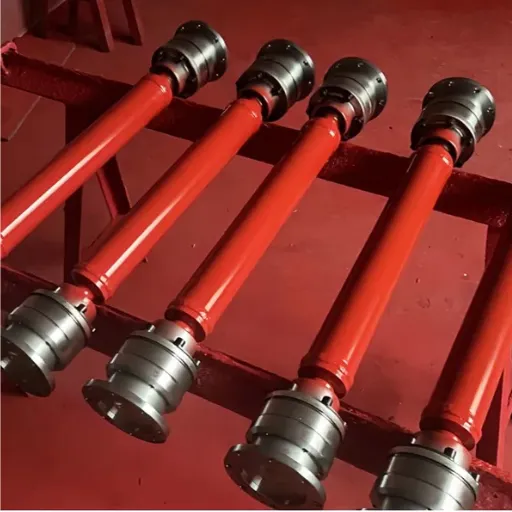
Most GIICL coupling failures trace back to a short list of causes. Knowing them helps you specify a coupling that lasts.
Tooth Wear from Poor Lubrication
Gear couplings need the right lubricant, replenished on schedule. A mining supervisor in Chile once ran a GIICL coupling on a kiln drive with the wrong grease, and the teeth wore through in three weeks.
After switching to the recommended lubricant and a sealed design, the replacement ran for two years. Lubricant is not a detail; it's part of the design.
Edge Loading from Excess Misalignment
A GIICL coupling tolerates misalignment, but operating near the limit concentrates load on the tooth tips. If the shafts cannot be aligned within the rated values, consider a spacer design or a larger size.
Fatigue from Under-Sizing
Selecting a coupling on nominal torque alone ignores the service factor. The teeth may survive at first, then fatigue after repeated shock loads. Always size to the adjusted torque.
Contamination from Failed Seals
Dust and moisture entering the gear mesh accelerate wear dramatically. Inspect seals during planned maintenance and replace them before they fail.
Loosening from Improper Fit or Bolt Torque
A hub that is loose on the shaft, or bolts that are not torqued evenly, causes runout and vibration. Follow the installation procedure and verify the fit.
If a coupling has already failed, don't simply reorder the same part. Investigate the root cause first. The replacement must solve the problem that caused the failure, or it will fail the same way.
When to Order a Custom GIICL Coupling
Catalog GIICL couplings cover many applications, but some situations call for a custom build. Consider a custom GIICL coupling when:
The shaft bores are non-standard sizes.
The space between shafts requires a special spacer length.
The torque or speed falls outside standard catalog ranges.
The coupling must match a legacy part that is no longer available.
The environment requires special materials, seals, or coatings.
A custom coupling supplier should review your drawing or worn sample, confirm manufacturability, recommend materials, and provide a clear quotation with lead time. At Hebei Suju, we regularly reverse-engineer worn GIICL couplings for steel mills, cement plants, and mining crushers through our custom coupling manufacturing service. Tomas, the engineer from the opening, shipped his sample on a Tuesday and had a confirmed replacement design by Thursday. The new coupling arrived inside his shutdown window, and the finishing stand was back online before the peak order shipped.
That outcome is why a manufacturing partner matters more than a price list. When the coupling is critical, you want a supplier who controls machining, heat treatment, and inspection under one roof.
Frequently Asked Questions
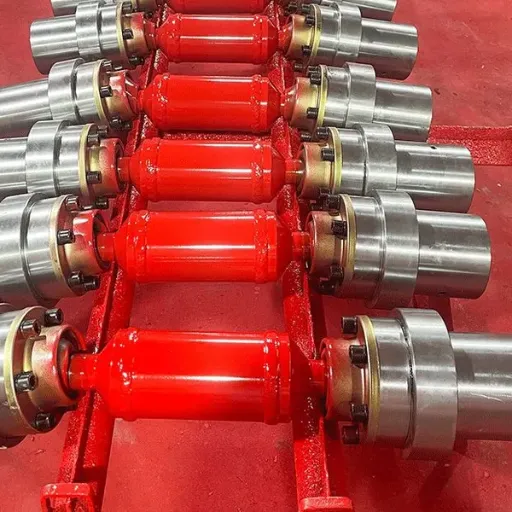
What does GIICL mean on a drum gear coupling?
GIICL is a series designation for a drum gear coupling with crowned teeth that accommodate angular, radial, and axial misalignment. It is one of the most common heavy-duty gear coupling series used in steel, mining, and cement drives.
How do I choose the right GIICL coupling size?
Calculate the nominal torque from motor power and speed, multiply by the application service factor, then select a size whose rated torque meets or exceeds the result. Also confirm the bore, speed, misalignment, and environment before ordering.
Can a GIICL coupling run at high speed?
Yes, but high-speed applications require dynamic balancing and proper lubrication. Above roughly 3,000 RPM, specify balancing to the appropriate ISO grade and confirm the maximum rated speed with the manufacturer.
What is the difference between a GIICL coupling and a flexible coupling?
A GIICL coupling is a type of gear coupling, which is technically a form of flexible coupling because the crowned teeth allow misalignment. In practice, "flexible coupling" usually refers to elastomer types such as jaw or tyre couplings, which suit lower torque and general machinery.
Can you manufacture a GIICL coupling from a worn sample?
Yes. A manufacturer with reverse-engineering capability can measure a worn sample, confirm the dimensions and materials, and produce a matching replacement. This is common for legacy equipment where the original part is discontinued.
What maintenance does a GIICL coupling need?
Inspect the seals, check the lubricant condition, and verify bolt torque during planned shutdowns. Replace worn seals and replenish lubricant on the manufacturer-recommended interval to prevent tooth wear and contamination.
Conclusion
The GIICL coupling is a proven solution for high-torque, high-misalignment drives across steel, mining, cement, and general industry. Selecting the right one means sizing to the adjusted torque, confirming the speed and misalignment, matching the bore, and accounting for the environment. Just as important, the coupling has to be built from sound material, hardened correctly, and inspected before it ships.
When you evaluate a GIICL coupling supplier, look past the catalog. Ask about heat treatment, hardness verification, inspection reports, and custom capability. A factory-direct manufacturer can answer those questions precisely and stand behind the part.
At Hebei Suju, we manufacture standard and custom GIICL drum gear couplings for machinery manufacturers, steel mills, mining operations, cement plants, and process industries worldwide. From catalog sizes to reverse-engineered replacements, we build couplings that match your equipment and your schedule.
Recently Posted
-
Jaw Coupling Spider Replacement: A Step-by-Step Maintenance Guide
July 28, 2026A maintenance technician at a packaging plant in Brazil noticed vibration on a motor-pump set during his morning rounds. The motor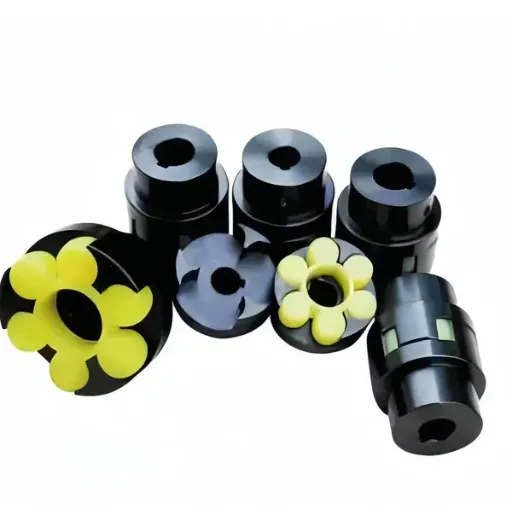 Read More
 -
Flexible Coupling for Motor Pump Sets: A Selection Guide
July 28, 2026A maintenance manager at a water treatment plant in Southeast Asia called us after replacing motor pump couplings three times in 1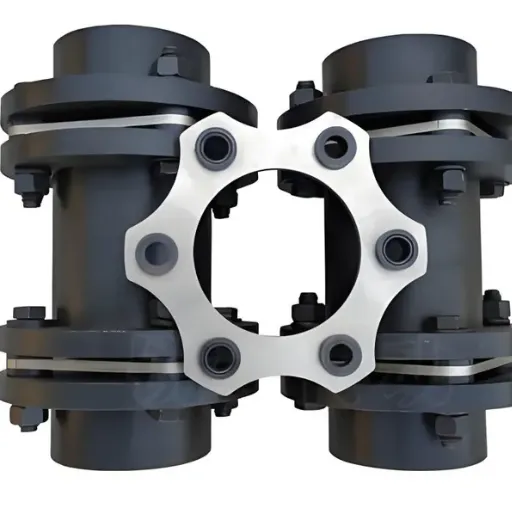 Read More
 -
Flexible Shaft Coupling: Selection Guide for Industrial Drives
July 28, 2026When two rotating shafts are connected directly, even a small amount of misalignment can generate vibration, bearing load, and pre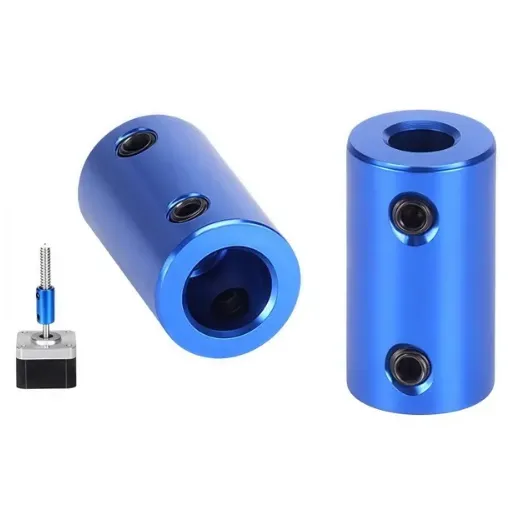 Read More
 -
Elastic Coupling: Vibration Control for Industrial Drives
July 28, 2026When a motor-pump set starts vibrating above acceptable limits, the first checks usually fall on bearing wear, impeller balance, o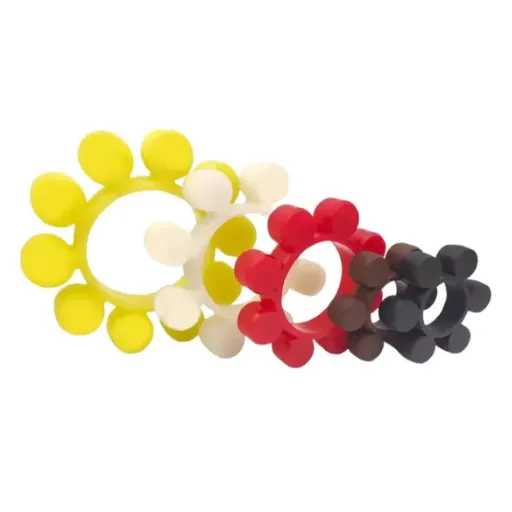 Read More

Contact Us
Recommended Products
-
 OEM Customizable Cardan Shaft Coupling Flexible Rigid Steel for Air Compressor Propeller Universal Construction Printing ShopsNegotiableMOQ: 2 Pieces
 -
Kc Coulpling Roller Chain Coupling Set With Chain and Sprocket for General MachineryNegotiableMOQ: 1 Piece
-
High Transmission Efficiency Drum Gear Coupling Easy Installation Gear Coupler For Heavy MachineryNegotiableMOQ: 10 Pieces
-
High-Torque Roller Chain Coupling Durable Steel Aluminium Construction Customizable Precision Engineering OEM Shaft CouplingsNegotiableMOQ: 2 Pieces
-
Customizable Rigid Iron Steel Aluminium Rubber Tyre Coupling OEM Support for Pumps Industrial Equipment Construction IndustriesNegotiableMOQ: 10 Pieces
-
Jsb Flexible Grid Coupling With Metallic Elastic Element Factory Direct Spider Snake Spring CouplingNegotiableMOQ: 10 Pieces
-
High Torque JQ/JQW Type Clamp Coupling for Motor & Gearbox 45 Steel Jacketed Iron Disc Structure Flexible Rigid OEM SupportedNegotiableMOQ: 2 Pieces
-
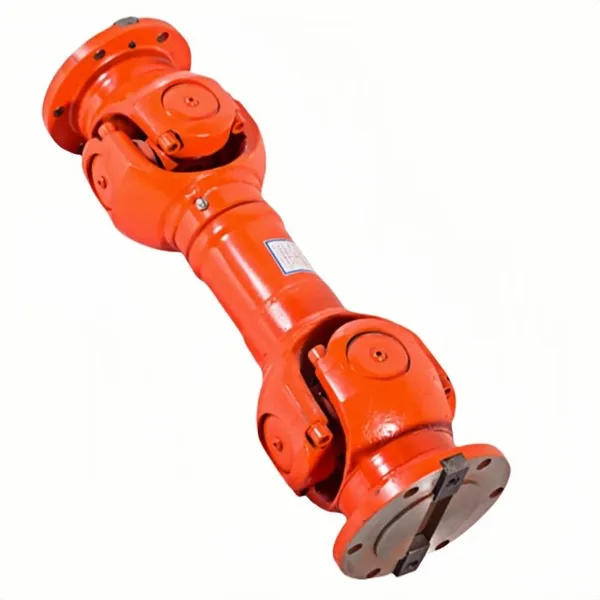
SWC Series Flange Universal Joint Coupling Hardened Cross Shaft Heavy Duty TransmissionNegotiableMOQ: 1 Piece
-
Heavy Duty Universal Coupling High Quality Universal Shaft for Machinery and EquipmentNegotiableMOQ: 1 Piece
-
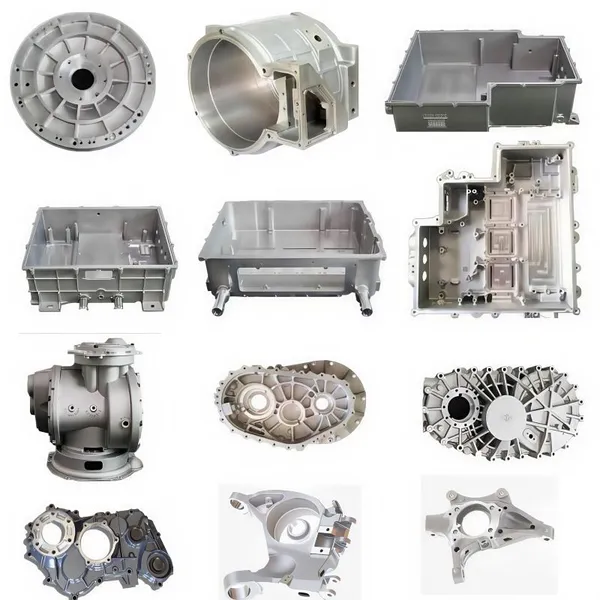
OEM Customized Precision Cast Iron Zinc Aluminum Die Castings New Hydraulic Parts Fittings 1 Year WarrantyNegotiableMOQ: 100 Pieces
-
Yl Series Rigid Flange Coupling Power Transmission PartsNegotiableMOQ: 2 Pieces
-
Flange Coupling for Water Pump and Compressor Applications With Rubber Gasket SealNegotiableMOQ: 2 Pieces
-
Heavy-Duty Telescopic Welding Cardan Shaft for Universal UseNegotiableMOQ: 1 Piece
-
Flexible Universal Shaft Flange Coupling for Marine and Industrial Drive SystemsNegotiableMOQ: 10 Pieces
-
Durable Expansion Sleeve, Locking Assembly & Taper Lock Bushing for Robotic Arm JointsNegotiableMOQ: 1 Piece
-
High Quality Yl Type Rigid Flange Coupling Mechanical Transmission CouplingNegotiableMOQ: 2 Pieces
-
Stainless Steel Flexible Universal Joint Coupling for Motor Flange Gear Pump and Spline ShaftNegotiableMOQ: 1 Piece
-
Compact Drum Gear Coupling for Heavy Industrial Transmission High Torque CapacityNegotiableMOQ: 10 Pieces
-
Standard or Customized Jaw Beam (Helical) Flexible Coupling for General MachineryNegotiableMOQ: 10 Pieces
-
TL Series Elastic Pin Coupling Easy Replace Rubber Bush Coupling With Shaft Misalignment CompensationNegotiableMOQ: 10 Pieces