
 Business License
Industrial Coupling Supplier: How to Choose a Partner That Protects Your Drives
The coupling on a steel mill roughing stand cracked on a Friday night. The maintenance team had a worn sample, a four-hour shutdown window, and no reliable supplier in their approved vendor list. By Monday morning, the line was still idle while they chased quotations from traders who couldn't confirm material, heat treatment, or delivery.
Choosing an industrial coupling supplier before a failure happens is one of the smartest moves a maintenance or procurement team can make. The right supplier delivers the correct part on time, with traceable quality and technical support behind it. However, the wrong supplier creates a matching problem that can cost days of production.
In this article, you'll learn what an industrial coupling supplier should offer. We will also cover how to evaluate quality and manufacturing capability, when to choose a standard catalog part versus a custom solution, and what questions to ask before adding a supplier to your vendor list.
What an Industrial Coupling Supplier Should Deliver
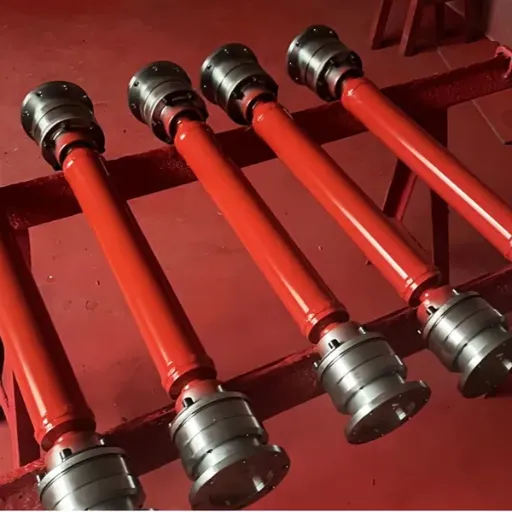
An industrial coupling supplier is more than a parts catalog. A true supplier partner provides product selection guidance, manufacturing quality, documentation, and responsive support across the lifecycle of your equipment.
Product Range and Technical Guidance
A qualified supplier should offer multiple coupling types so you can source the right technology for each application. Common categories include:
Gear couplings for high torque and heavy misalignment
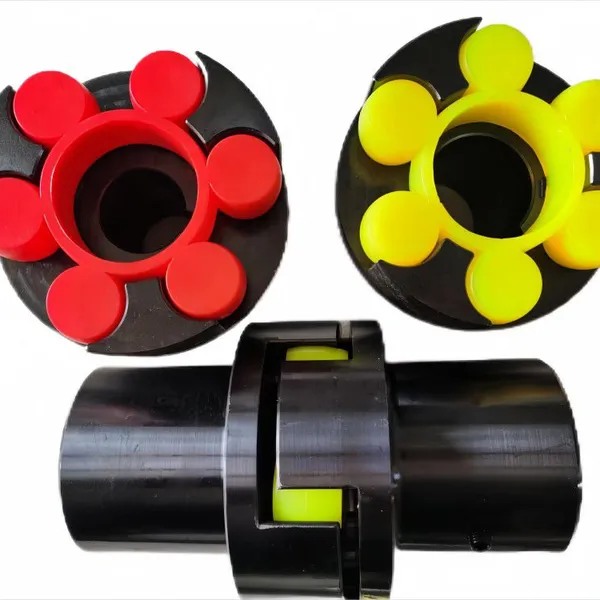
Flexible couplings for vibration damping and general machinery
Rigid couplings for precision-aligned shafts
Diaphragm and bellows couplings for high-speed or servo drives
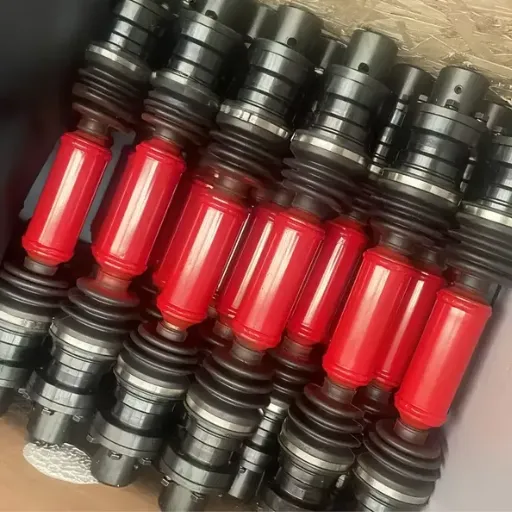
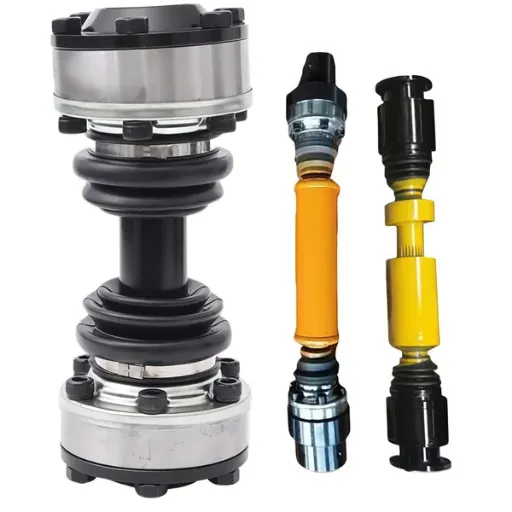
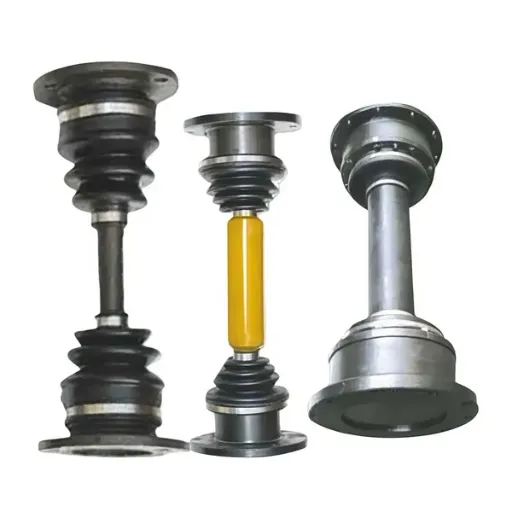
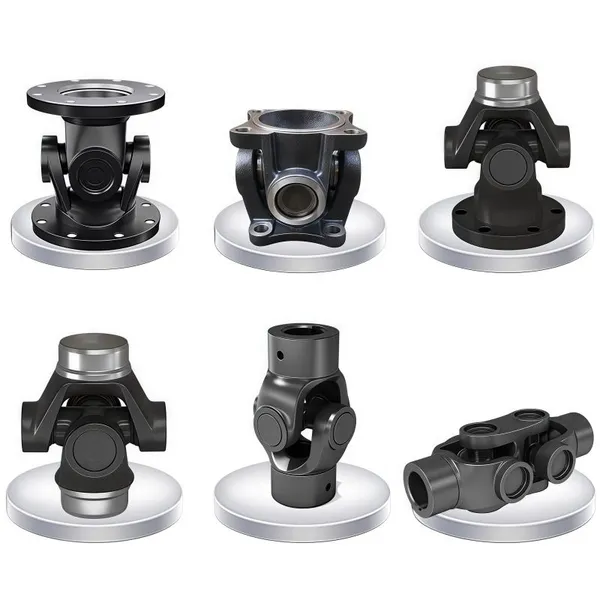
Universal joint shafts and cardan shafts for angular transmission
Beyond the catalog, the supplier should help you match the coupling to your torque, speed, misalignment, and environment. If you only receive a price list with no engineering input, you may be buying the wrong part.
At Hebei Suju, we supply a complete range of industrial couplings and work with buyers to confirm the specification before quoting. This prevents the costly mismatch that happens when a coupling is selected by size alone.
Manufacturing Capability and Quality Systems
The best way to judge a coupling supplier is to look at how the parts are made. Specifically, a factory-direct supplier controls material, machining, heat treatment, and inspection under one roof. A trader or low-cost broker may not even see the part before it ships.
Key capabilities to verify include:
Incoming material inspection with traceability
CNC machining of bores, keyways, and tooth profiles
Heat treatment to required hardness
Dimensional inspection and hardness testing
Optional dynamic balancing for high-speed applications
Export packing and documentation
Ask for photos of the workshop, inspection equipment, and sample reports. A credible supplier will share them. At Hebei Suju, our full-process quality control covers every stage from raw material to final packing, and we provide certificates and inspection reports on request.
Certifications and Standards Compliance
For industrial buyers, supplier qualifications matter. Certifications such as ISO 9001, ISO 14001, and ISO 45001 demonstrate that the supplier follows standardized management systems. If your procurement process requires vendor audits, certifications can accelerate approval.
Reference to recognized coupling standards such as AGMA or ISO also helps. These standards define rating methods, tolerance classes, and inspection practices that experienced suppliers follow. At Hebei Suju, we manufacture to customer drawings and commonly accepted industrial standards. Our ISO certifications support qualification for OEM and MRO vendor lists.
How to Evaluate an Industrial Coupling Supplier
Before placing a critical order, evaluate the supplier across four dimensions: product fit, quality proof, delivery reliability, and communication.
Product Fit
Does the supplier stock or manufacture the coupling type and size you need? For standard catalog items, check whether the supplier covers common bore ranges, torque ratings, and materials. For custom or legacy parts, ask whether they accept drawings or samples.
A procurement manager at a chemical plant learned this lesson when their standard jaw coupling supplier couldn't match a non-standard spacer length. They shifted to a supplier with custom coupling manufacturing capability and received a reverse-engineered replacement within the shutdown window.
Quality Proof
Request samples, inspection reports, or material certificates before placing a large order. Look for:
Hardness values on gear teeth and hubs
Dimensional reports with tolerances
Material grade documentation
Surface finish and defect control
If the supplier hesitates to share quality documentation, that's a warning sign. Reliable suppliers treat documentation as part of the product.
Delivery Reliability
Ask about lead times for both standard and custom parts. In general, a supplier with in-house manufacturing can respond faster than a broker coordinating with multiple factories. For shutdown-critical orders, confirm whether the supplier can prioritize production and arrange air freight.
A mining maintenance team in Chile once waited six weeks for a replacement gear coupling because their trader routed the order through two subcontractors. After switching to a manufacturer with direct production and export packing, their average replacement lead time dropped to under three weeks.
Communication and Technical Support
The supplier should respond to technical questions quickly and clearly. Before ordering, test their engineering team with questions such as:
What service factor do you recommend for this application?
Can you match this bore and keyway from our drawing?
What lubricant do you recommend for this operating temperature?
Can you provide a material certificate and inspection report?
If the supplier can't answer these questions, you may be dealing with a reseller rather than a manufacturer.
Standard Catalog vs. Custom Coupling Supply
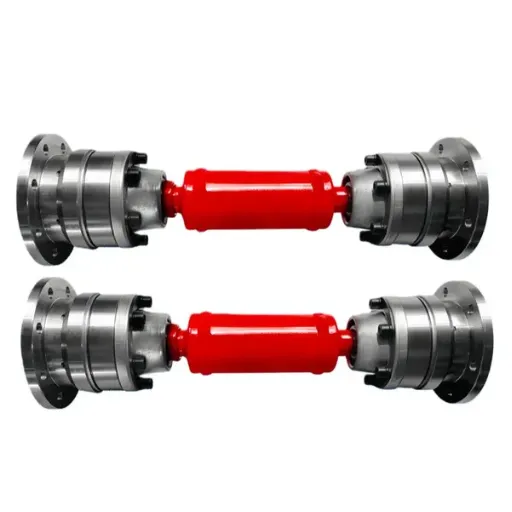
Not every coupling need is the same. Therefore, understanding when to order a catalog part and when to request a custom coupling saves time and money.
| Factor | Standard Catalog Coupling | Custom Coupling |
|---|---|---|
| Best for | Common shaft sizes and typical loads | Obsolete, non-standard, or severe-duty parts |
| Lead time | Days to a few weeks | Weeks, depending on complexity |
| Cost | Lower per unit | Higher per unit, but avoids rework |
| Data needed | Type, size, bore, torque | Drawing or worn sample, application details |
| Quality proof | Catalog ratings and batch certificates | First-article inspection and full reports |
When to Order a Standard Catalog Coupling
Catalog couplings are the right choice when:
The shaft diameters match standard bore sizes
The torque and speed fall within published ratings
The environment is typical for the coupling type
You need a fast, repeatable replacement
For common industrial drives, Hebei Suju supplies standard drum gear couplings, flexible couplings, and cardan shafts in standard sizes and materials.
When to Request a Custom Coupling
Custom couplings are needed when:
The original part is obsolete or discontinued
Shaft dimensions are non-standard
The torque, speed, or misalignment exceeds catalog limits
The environment requires special materials or seals
The equipment layout needs a unique spacer length
A custom coupling supplier should review your drawing or worn sample, confirm manufacturability, recommend materials, and provide a clear quotation with lead time. At Hebei Suju, we regularly reverse-engineer worn couplings for steel mills, cement plants, and mining crushers.
Custom Coupling Sourcing Checklist
Use this checklist when ordering a custom coupling:
Drawing or worn sample provided
Shaft diameters, keyways, and spacer length defined
Torque, speed, and service factor calculated
Operating environment described
Material and heat treatment requirements specified
Inspection and certification needs communicated
Quantity and delivery schedule confirmed
Industry-Specific Coupling Supply Needs
Different industries place different demands on coupling suppliers. The right supplier understands your application and recommends accordingly.
Steel and Metallurgy
Rolling mills, continuous casting lines, and coiler drives need gear couplings that handle high torque, shock loads, and misalignment. Suppliers serving this sector should understand crown profiles, lubrication systems, and severe-duty inspection requirements.
Mining and Cement
Crushers, mills, kilns, and conveyors operate in dusty, high-load environments. Couplings here must tolerate contamination and overload. A supplier with experience in mining and cement applications can recommend sealed designs and appropriate materials.
Chemical and Process Industry
Pumps, compressors, and mixers often require corrosion-resistant materials and reliable sealing. The supplier should offer material options and understand process industry safety expectations.
Automation and Precision Machinery
Servo drives and positioning systems need low-backlash couplings such as diaphragm or bellows types. Tight tolerances, dynamic balancing, and clean packing are critical.
Red Flags When Choosing a Coupling Supplier
Some warning signs are easy to spot if you know what to look for.
Vague or Missing Technical Data
If the supplier can't provide rated torque, allowable misalignment, material grade, or hardness values, the product may not meet industrial standards. Always insist on specifications.
No Quality Documentation
A supplier that refuses inspection reports or material certificates is asking you to trust blindly. For critical drives, documentation isn't optional.
Unrealistically Short Lead Times
If a custom coupling is promised in days when similar suppliers quote weeks, ask how it's possible. The answer may reveal corner-cutting or subcontracting.
Inconsistent Communication
Delayed responses, unclear answers, or constant changes in contact persons indicate organizational instability. Reliable suppliers communicate consistently.
Building a Long-Term Supplier Relationship
The best industrial coupling supplier relationships are built before an emergency happens. Fortunately, setting one up is straightforward.
Audit or Visit When Possible
A factory visit or video audit reveals more than a brochure. Look at equipment condition, cleanliness, inspection stations, and workflow organization. A well-managed factory usually produces consistent parts.
Start with a Sample Order
Before committing to volume production, order one or two units. Inspect fit, finish, dimensions, and packaging. Use the sample experience to judge lead time and communication.
Share Application Details Early
The more your supplier knows about torque, speed, misalignment, starts per hour, and environment, the better the recommendation. Treat the supplier as an engineering partner, not just a parts source.
Keep Critical Spares in Stock
For essential drives, keep one spare coupling or wear element on site. Waiting for a replacement during a breakdown adds days to downtime. If your coupling is custom or obsolete, consider ordering a spare when you place the first order.
Questions to Ask Before Adding a Supplier to Your Vendor List
A short supplier qualification conversation can prevent expensive mistakes later. Ask these questions before placing your first order.
Technical and Manufacturing Questions
What coupling types do you manufacture in-house, and what do you source from subcontractors?
Can you provide material certificates, hardness reports, and dimensional inspection records?
What heat treatment processes do you use for gear couplings?
Do you offer dynamic balancing for high-speed applications?
Can you produce custom couplings from drawings or worn samples?
Commercial and Logistics Questions
What is your standard lead time for catalog parts and custom parts?
What is your minimum order quantity for standard couplings?
Do you provide export packing, documentation, and logistics support?
Can you prioritize urgent orders for shutdown-critical deliveries?
What payment terms and trade options do you offer?
The answers reveal whether you are dealing with a manufacturer or a middleman. A factory-direct supplier will answer technical questions precisely and provide evidence. A broker may give vague answers or avoid specifics.
The Cost of Choosing the Wrong Coupling Supplier
A low unit price can hide larger costs. For example, the wrong supplier may deliver a coupling that fits the shaft but fails under load. Alternatively, the part may arrive too late to prevent a shutdown.
Common hidden costs include:
Production downtime while waiting for a replacement
Secondary equipment damage from a coupling that fails catastrophically
Rework and machining to adapt a poorly fitting part
Expedited freight to recover from a missed delivery date
Quality failures from inferior material or skipped heat treatment
A maintenance supervisor at a cement plant once accepted the cheapest quote for a kiln drive coupling. The replacement lasted three weeks before the teeth wore. The second replacement from a qualified supplier cost more upfront but ran for two years. The cheaper option was the more expensive choice.
How Hebei Suju Supports Industrial Coupling Buyers
At Hebei Suju, we act as a manufacturing partner for maintenance teams, OEM engineers, and procurement professionals who need reliable couplings and clear communication.
Integrated Manufacturing
Our 3,800+ m² factory includes a 2,200 m² standardized production workshop with more than 80 sets of processing and testing equipment. We machine, heat-treat, inspect, and pack couplings under one roof, which gives us control over lead time and quality.
Standard and Custom Supply
We supply standard drum gear couplings, flexible couplings, and cardan shafts from catalog ranges. We also manufacture custom couplings from customer drawings or worn samples for legacy equipment and special working conditions.
Quality Documentation
Our full-process quality control includes incoming material inspection, in-process checks, heat treatment verification, dimensional inspection, and final testing. We provide material certificates, inspection reports, and other documentation on request.
Export Experience
We have supplied industrial couplings to buyers across Europe, Southeast Asia, the Middle East, Africa, and the Americas. Our logistics team handles export packing and documentation so parts arrive ready for installation.
Frequently Asked Questions
What should I look for in an industrial coupling supplier?
Look for a supplier with the right product range, in-house manufacturing capability, quality documentation, relevant certifications, reliable delivery, and responsive technical support. A factory-direct supplier can usually answer technical questions precisely and provide inspection reports on request.
How do I know if a coupling supplier is a manufacturer or a trader?
Ask what they manufacture in-house and what they source from subcontractors. A manufacturer can describe machining, heat treatment, and inspection processes in detail. A trader often gives vague answers, cannot share workshop photos, or routes orders through multiple factories.
When should I choose a custom coupling over a catalog part?
Choose a custom coupling when the original part is obsolete, shaft dimensions are non-standard, or the torque, speed, or environment exceeds catalog ratings. Custom couplings are also the right choice when the equipment layout requires a unique spacer length.
What certifications should an industrial coupling supplier have?
ISO 9001, ISO 14001, and ISO 45001 are common certifications that demonstrate standardized management systems. Depending on your industry, you may also require material certificates, inspection reports, or compliance with standards such as AGMA or ISO.
Why is quality documentation important when buying couplings?
Quality documentation proves that the coupling meets specification. Hardness reports, dimensional inspection records, and material certificates help you verify that the part will perform in your application. Without documentation, you are buying on trust alone.
Conclusion
Choosing an industrial coupling supplier is a decision that affects uptime, maintenance cost, and equipment life. The right supplier offers the right product, provable quality, reliable delivery, and responsive technical support. In contrast, the wrong supplier turns a simple replacement into a matching problem.
Evaluate suppliers on product range, manufacturing capability, certifications, delivery track record, and communication. Start with a sample order, share full application details, and keep critical spares in stock. When custom or obsolete parts are involved, choose a supplier with drawing-based and sample-based manufacturing experience.
At Hebei Suju, we support maintenance teams, OEM engineers, and procurement buyers with standard and custom industrial couplings for machinery manufacturing, steel, mining, cement, chemical, and automation applications. From catalog parts to reverse-engineered replacements, we manufacture couplings that match your equipment and your schedule.
Recently Posted
-
Jaw Coupling Spider Replacement: A Step-by-Step Maintenance Guide
July 28, 2026A maintenance technician at a packaging plant in Brazil noticed vibration on a motor-pump set during his morning rounds. The motor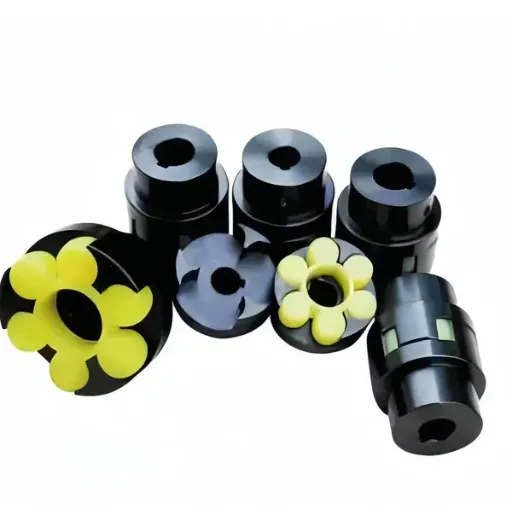 Read More
 -
Flexible Coupling for Motor Pump Sets: A Selection Guide
July 28, 2026A maintenance manager at a water treatment plant in Southeast Asia called us after replacing motor pump couplings three times in 1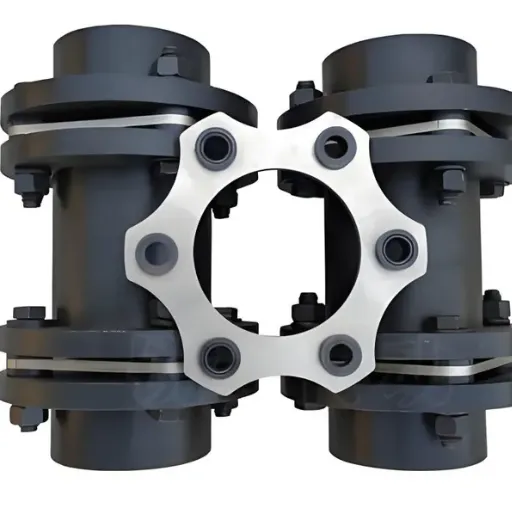 Read More
 -
Flexible Shaft Coupling: Selection Guide for Industrial Drives
July 28, 2026When two rotating shafts are connected directly, even a small amount of misalignment can generate vibration, bearing load, and pre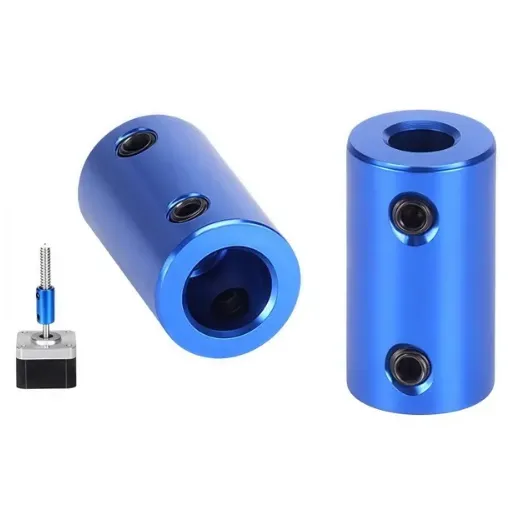 Read More
 -
Elastic Coupling: Vibration Control for Industrial Drives
July 28, 2026When a motor-pump set starts vibrating above acceptable limits, the first checks usually fall on bearing wear, impeller balance, o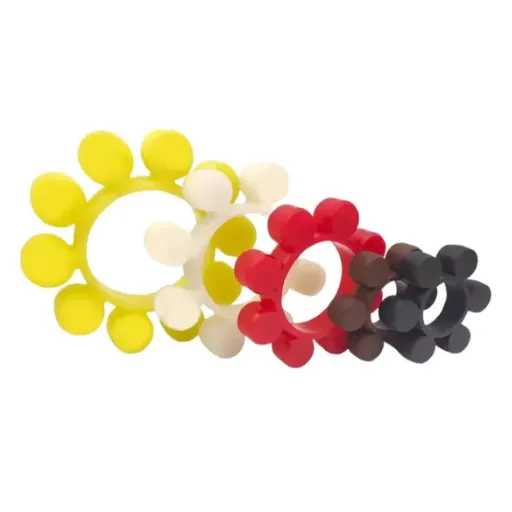 Read More

Contact Us
Recommended Products
-
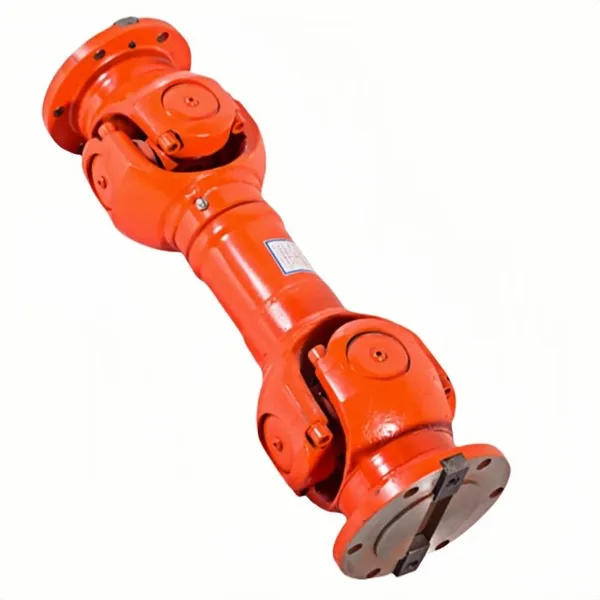
 OEM Customizable Cardan Shaft Coupling Flexible Rigid Steel for Air Compressor Propeller Universal Construction Printing ShopsNegotiableMOQ: 2 Pieces
 -
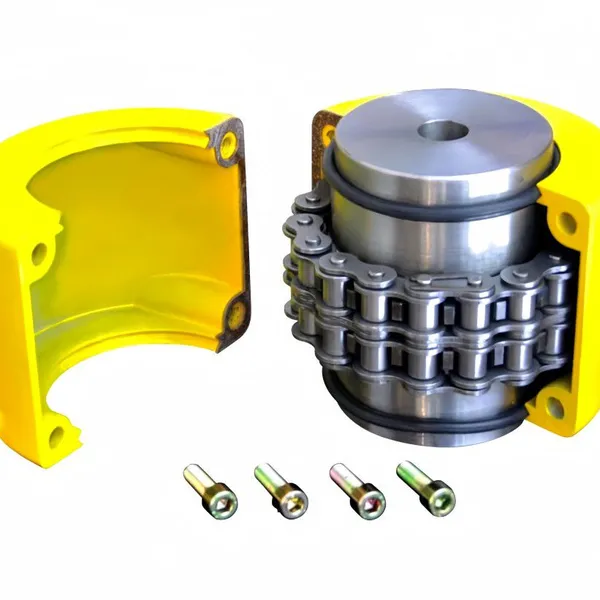
Kc Coulpling Roller Chain Coupling Set With Chain and Sprocket for General MachineryNegotiableMOQ: 1 Piece
-
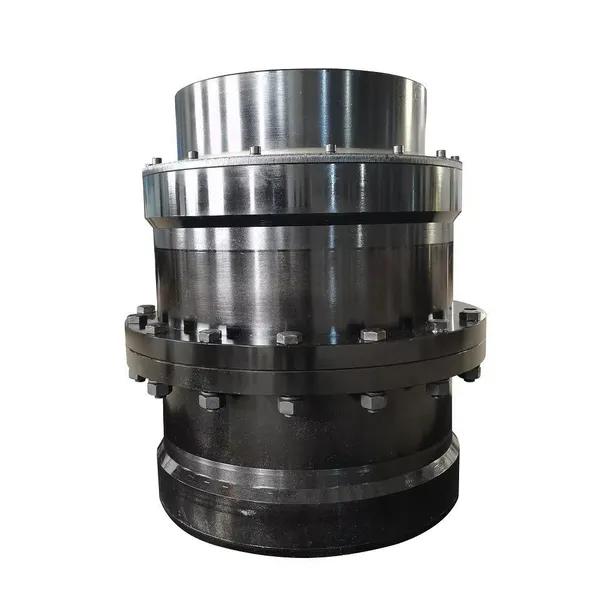
High Transmission Efficiency Drum Gear Coupling Easy Installation Gear Coupler For Heavy MachineryNegotiableMOQ: 10 Pieces
-
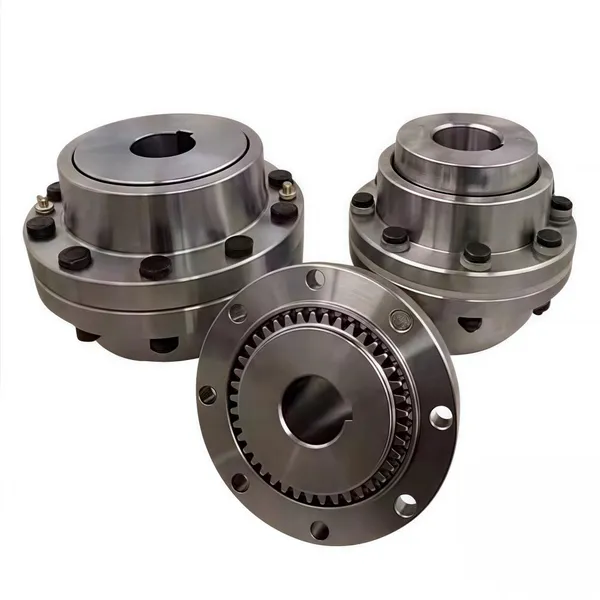
High-Torque Roller Chain Coupling Durable Steel Aluminium Construction Customizable Precision Engineering OEM Shaft CouplingsNegotiableMOQ: 2 Pieces
-
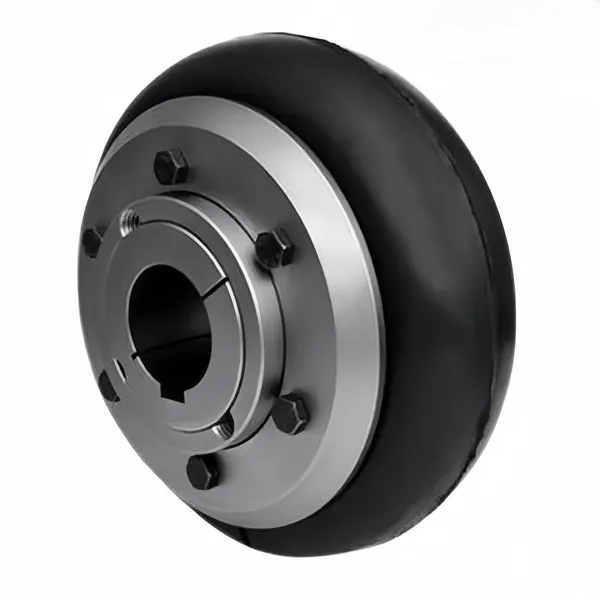
Customizable Rigid Iron Steel Aluminium Rubber Tyre Coupling OEM Support for Pumps Industrial Equipment Construction IndustriesNegotiableMOQ: 10 Pieces
-
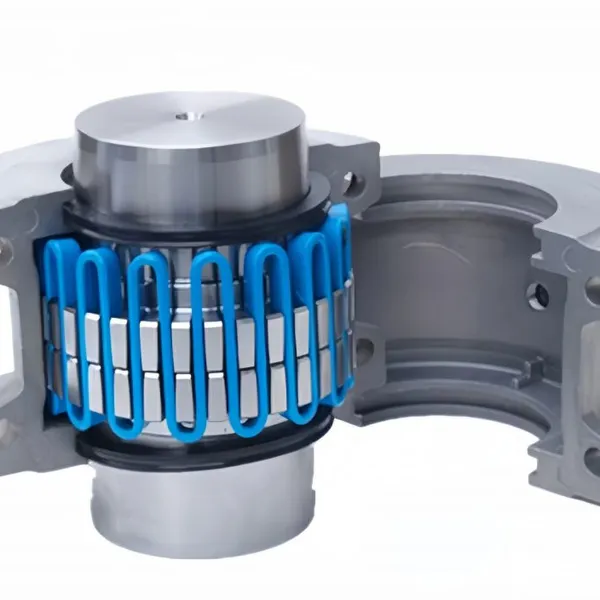
Jsb Flexible Grid Coupling With Metallic Elastic Element Factory Direct Spider Snake Spring CouplingNegotiableMOQ: 10 Pieces
-
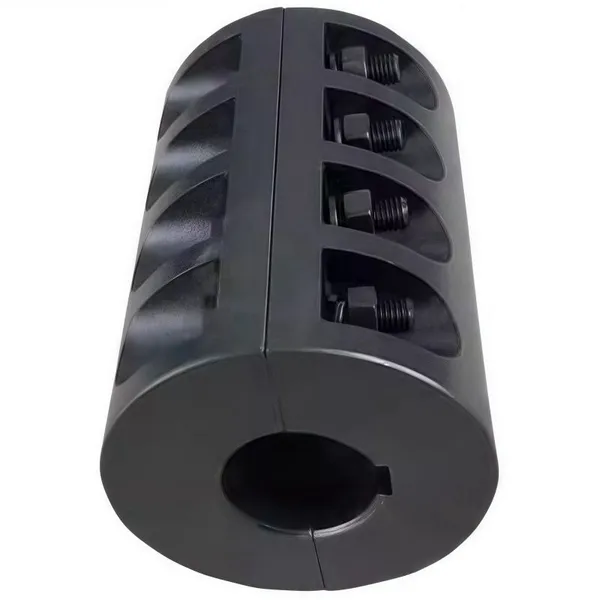
High Torque JQ/JQW Type Clamp Coupling for Motor & Gearbox 45 Steel Jacketed Iron Disc Structure Flexible Rigid OEM SupportedNegotiableMOQ: 2 Pieces
-
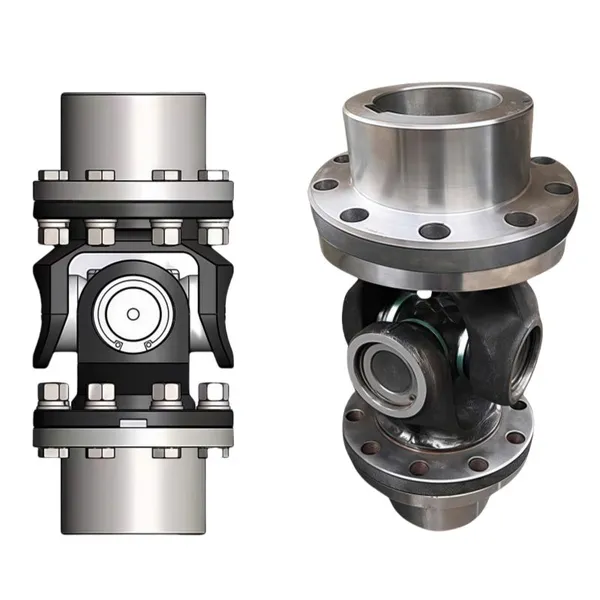
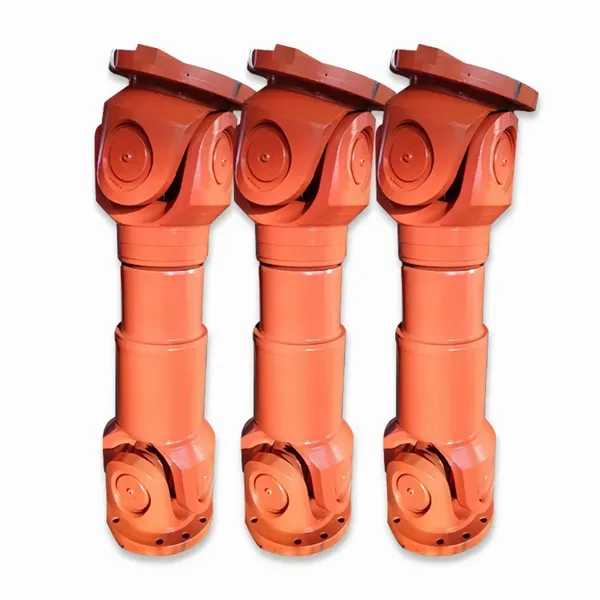
SWC Series Flange Universal Joint Coupling Hardened Cross Shaft Heavy Duty TransmissionNegotiableMOQ: 1 Piece
-
Heavy Duty Universal Coupling High Quality Universal Shaft for Machinery and EquipmentNegotiableMOQ: 1 Piece
-
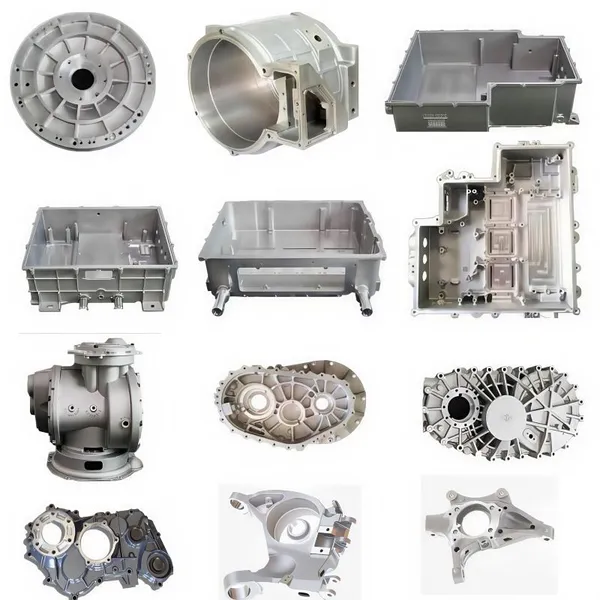
OEM Customized Precision Cast Iron Zinc Aluminum Die Castings New Hydraulic Parts Fittings 1 Year WarrantyNegotiableMOQ: 100 Pieces
-
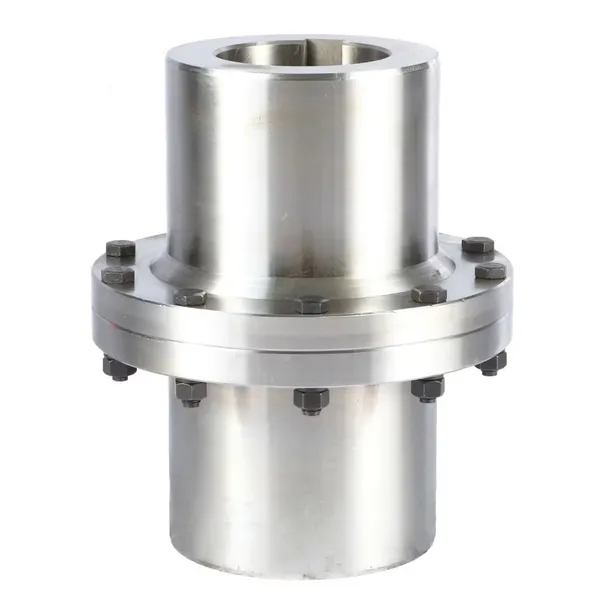
Yl Series Rigid Flange Coupling Power Transmission PartsNegotiableMOQ: 2 Pieces
-
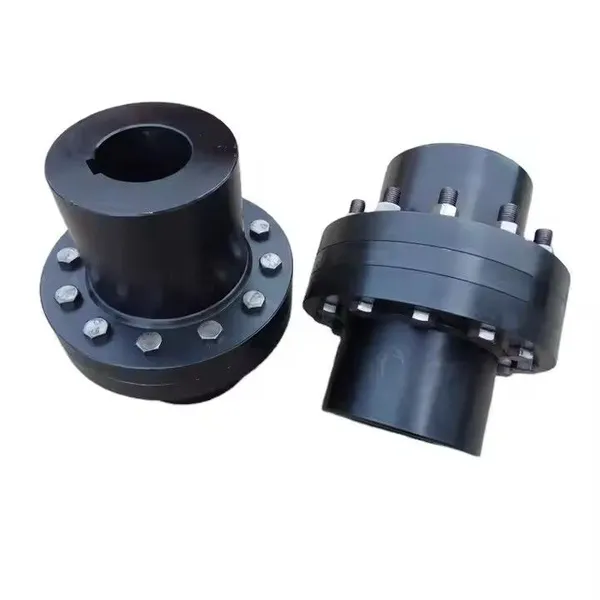
Flange Coupling for Water Pump and Compressor Applications With Rubber Gasket SealNegotiableMOQ: 2 Pieces
-
Heavy-Duty Telescopic Welding Cardan Shaft for Universal UseNegotiableMOQ: 1 Piece
-
Flexible Universal Shaft Flange Coupling for Marine and Industrial Drive SystemsNegotiableMOQ: 10 Pieces
-
Durable Expansion Sleeve, Locking Assembly & Taper Lock Bushing for Robotic Arm JointsNegotiableMOQ: 1 Piece
-
High Quality Yl Type Rigid Flange Coupling Mechanical Transmission CouplingNegotiableMOQ: 2 Pieces
-
Stainless Steel Flexible Universal Joint Coupling for Motor Flange Gear Pump and Spline ShaftNegotiableMOQ: 1 Piece
-
Compact Drum Gear Coupling for Heavy Industrial Transmission High Torque CapacityNegotiableMOQ: 10 Pieces
-
Standard or Customized Jaw Beam (Helical) Flexible Coupling for General MachineryNegotiableMOQ: 10 Pieces
-
TL Series Elastic Pin Coupling Easy Replace Rubber Bush Coupling With Shaft Misalignment CompensationNegotiableMOQ: 10 Pieces