
 Business License
GIICL Drum Gear Coupling: Specifications and Sizes
A maintenance supervisor at a Mexican steel mill was replacing couplings on a roughing mill drive. The original supplier had quoted an 8-week lead time. The supervisor found a lower-priced alternative online with the same GIICL model number and accepted it.
Three months later, the hubs cracked during a rolling campaign. The material wasn't forged 42CrMo, and the teeth had never been properly hardened. The part looked like a GIICL drum gear coupling, but it wasn't built for the load.
This scenario is more common than it should be. The GIICL designation identifies a coupling family, but quality depends on material, heat treatment, machining accuracy, and inspection. Buyers who understand GIICL drum gear coupling specifications can distinguish a catalog part from a reliable industrial component.
In this guide, you'll learn what a GIICL drum gear coupling is, how the size series is organized, what specifications matter, where these couplings are used, and what to verify when sourcing. Whether you're selecting a new coupling or replacing a worn unit, this article will help you match the right GIICL model to your application.
What Is a GIICL Drum Gear Coupling?
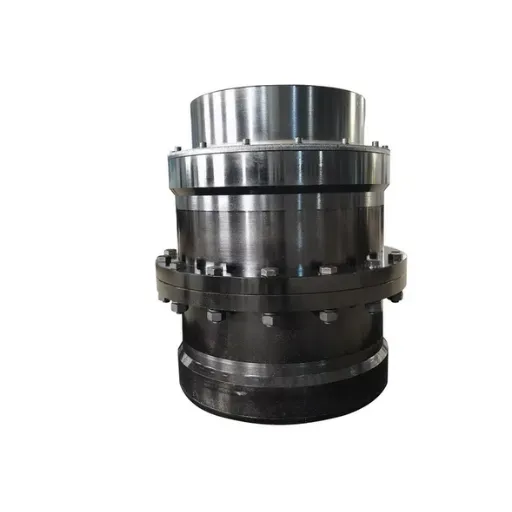
A GIICL drum gear coupling is a curved-tooth flexible gear coupling designed for high torque and multi-direction misalignment. The "G" stands for gear, the "II" indicates the second generation of design improvements, the "C" identifies the drum gear form, and the "L" denotes the basic structural type. It's one of the most widely used heavy machinery coupling series for steel mills, mining operations, and cement plants.
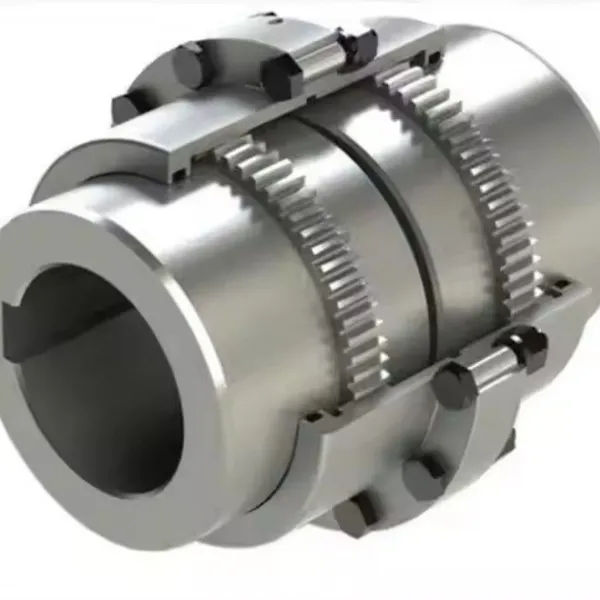
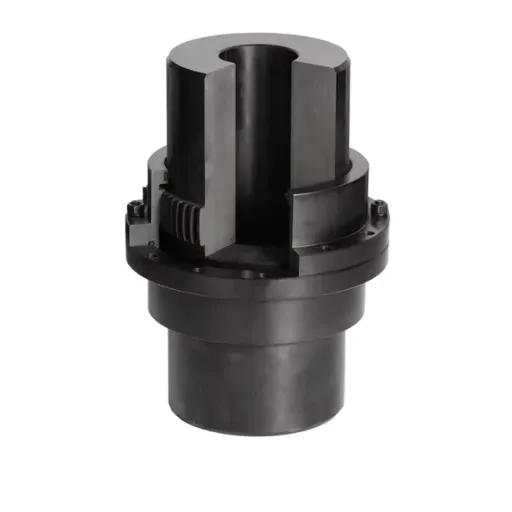
The coupling consists of two hubs with external gear teeth and a drum-shaped sleeve with matching internal teeth. The teeth are crowned to permit angular, radial, and axial movement between connected shafts while maintaining load distribution across the tooth face. Lubrication is required to reduce friction, dissipate heat, and extend service life.
Hebei Suju manufactures GIICL drum gear couplings for steel mills, mining operations, cement plants, cranes, and chemical facilities. Our hubs and sleeves are forged from alloy steel, heat-treated, and inspected to ensure they meet the torque and misalignment demands of severe service.!
GIICL Drum Gear Coupling Size Series
The GIICL series covers a wide torque range. Each size is identified by a number, with larger numbers indicating higher torque capacity, larger bore capacity, and generally lower maximum speed. Selection starts with torque and bore requirements, then speed and misalignment limits are verified.
Typical GIICL Specification Ranges and Size Chart
| Size | Rated Torque (N·m) | Max Speed (RPM) | Max Bore (mm) | Axial Travel (mm) | Weight (kg) |
|---|---|---|---|---|---|
| GIICL1 | 800 | 7,100 | 40 | 1.5 | ~7 |
| GIICL3 | 3,150 | 5,000 | 65 | 2.5 | ~18 |
| GIICL5 | 8,000 | 4,000 | 90 | 3.0 | ~38 |
| GIICL7 | 16,000 | 3,400 | 120 | 3.5 | ~72 |
| GIICL10 | 50,000 | 2,650 | 180 | 4.0 | ~180 |
| GIICL13 | 140,000 | 2,000 | 250 | 5.0 | ~470 |
| GIICL16 | 355,000 | 1,500 | 320 | 6.0 | ~1,100 |
These values are representative of standard GIICL drum gear coupling specifications. Always confirm exact dimensions, torque ratings, and allowable misalignment with the manufacturer's catalog or drawing for the specific size you need. Heavier-duty variants may also be available for specialized applications.
How to Read the Size Number
The size number correlates with physical dimensions and torque capacity. Larger sizes have:
Larger outside diameter: more material to transmit torque.
Larger maximum bore: accommodates larger shaft diameters.
Higher torque capacity: withstands greater continuous and peak loads.
Lower maximum speed: larger rotating mass limits safe operating speed.
When selecting a GIICL coupling, start by calculating the required torque including service factor, then choose the smallest size whose rated torque exceeds that value.
Key Specifications of GIICL Drum Gear Couplings
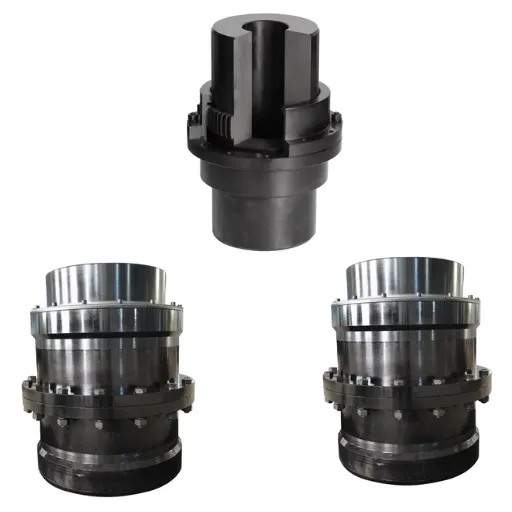
A complete GIICL drum gear coupling specification includes more than the model number. Buyers and engineers should verify the following parameters before ordering.
Drum Gear Coupling Torque: Rated and Peak Values
The rated torque is the maximum continuous torque the coupling can transmit. Peak torque from startup, braking, or shock loads must also be considered. Always apply an application service factor, typically 1.5 to 3.0 for heavy machinery.
For motor-driven systems, nominal torque is calculated as:
Nominal torque (N·m) = 9,548 × Power (kW) / Speed (RPM)
Multiply the nominal torque by the service factor to obtain the required coupling rating. If peak torque exceeds the coupling's maximum rating, select a larger size.
Allowable Misalignment
GIICL couplings accommodate three types of shaft misalignment:
Angular misalignment: the angle between shaft centerlines.
Radial misalignment: the parallel offset between shaft centerlines.
Axial movement: end float or thermal expansion along the shaft axis.
Actual allowable values vary by size and manufacturer. Confirm that the coupling limits exceed the expected operating misalignment. Operating continuously near the limit increases tooth wear and reduces service life.
Bore Diameter and Keyway
The finished bore must match the shaft diameter with the correct fit class, typically H7. The keyway must match the shaft key in width, depth, and tolerance. Non-standard bore sizes are common in replacement applications and can be customized.
Materials and Heat Treatment
Quality GIICL drum gear couplings are typically manufactured from 42CrMo alloy steel or equivalent chromium-molybdenum alloy steel. After rough machining, the teeth are induction hardened or carburized to achieve the required surface hardness and wear resistance. The core remains tough to resist shock loads.
Common hardness targets range from 45 to 60 HRC depending on size and standard. Material certificates and hardness inspection reports should be available on request.
Lubrication and Sealing
GIICL couplings require grease or oil lubrication. The specification should define lubricant type, fill quantity, and replenishment interval. Sealed designs are recommended in dusty, wet, or contaminated environments such as mines, cement plants, and steel mills.
GIICL Drum Gear Coupling Applications!
The GIICL drum gear coupling series is chosen when high torque, shock loads, and shaft movement occur together. Here are the most common GIICL drum gear coupling applications.
Steel Mills and Metallurgy
A gear coupling for steel mill drives, such as rolling mills, continuous casting lines, and roughing stands, must transmit very high torque with frequent shock loads from bite impacts. The GIICL drum gear coupling tolerates misalignment caused by roll changes, foundation movement, and thermal expansion. Sealed lubrication protects the teeth from mill scale and cooling water.
For steel mill applications, Hebei Suju supplies couplings with hardened teeth and heavy-duty seals. Visit our steel and metallurgy applications page for more details.
Mining and Cement
Crushers, ball mills, rotary kilns, and conveyors operate in dusty, abrasive environments. The GIICL coupling provides the torque capacity and durability these machines need. Axial movement from kiln heat expansion must be accommodated, and contamination-resistant sealing is essential.
Visit our mining and cement applications page for more information on coupling selection in these industries.
Cranes and Lifting Equipment
Crane hoists and travel drives use gear couplings to connect motors and gearboxes. While the NGCL series with brake wheel is often specified for braking applications, GIICL couplings are used in non-braking drives where high torque and reversing loads are present.
Chemical and Process Industry
Large pumps, compressors, and mixers in chemical plants use GIICL couplings because of their compact size and reliability. Material compatibility and sealing against process fluids are critical. See our chemical industry coupling solutions for more information.
How to Select the Right GIICL Coupling Size
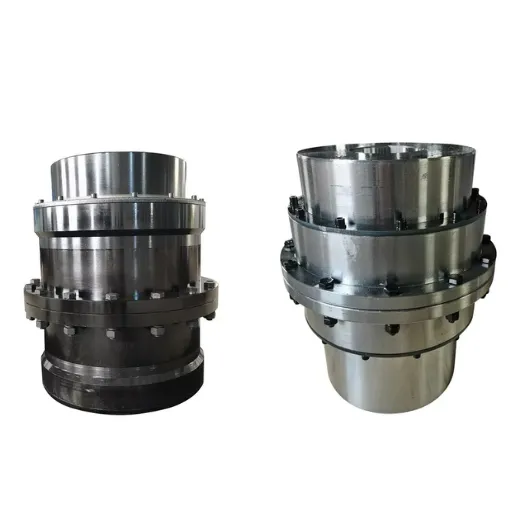
Selecting the correct GIICL drum gear coupling size requires a systematic approach. Start by confirming the torque, speed, and bore requirements for the GIICL drum gear coupling you need. Then follow these steps:
Calculate nominal torque from motor power and speed.
Apply the service factor based on application severity.
Confirm bore diameter and keyway requirements.
Estimate shaft misalignment including thermal expansion.
Check maximum operating speed against the coupling limit.
Verify overall dimensions for clearance and assembly.
Specify material, heat treatment, and sealing based on environment.
If you need help with selection, our coupling selection guide provides a broader framework.
Common Mistakes When Buying GIICL Couplings
Even a standard GIICL drum gear coupling can fail if it's underspecified or poorly manufactured. Avoid these common mistakes:
Choosing by price alone: low-cost couplings may use inferior materials or skip heat treatment.
Ignoring peak torque: startup and braking loads can exceed continuous rated torque.
Underestimating misalignment: thermal expansion and foundation settlement create real movement.
Wrong bore fit: a loose bore causes fretting; excessive interference can crack the hub.
Neglecting lubrication: contaminated or insufficient lubricant shortens tooth life.
Ordering only by model number: the same GIICL size can be built to different quality levels.
If you're replacing a failed coupling, don't assume the original was correctly specified. Investigate the root cause and update the specification.
Quality Differences in GIICL Drum Gear Couplings!
Not every coupling labeled GIICL performs the same way. Quality differences appear in material, machining, heat treatment, and inspection. Buyers should ask the drum gear coupling manufacturer about:
Material grade: is it 42CrMo alloy steel or equivalent?
Forging quality: is the hub forged or cast from lower-grade material?
Tooth hardness: what is the surface hardness and hardening depth?
Machining accuracy: are bore, keyway, and tooth profiles within tolerance?
Inspection reports: are material certificates and hardness reports available?
At Hebei Suju, our quality control process covers incoming material inspection, in-process machining checks, heat treatment verification, and final dimensional inspection. Our ISO 9001, ISO 14001, and ISO 45001 certifications support consistent production standards.
When to Consider a Custom GIICL Coupling
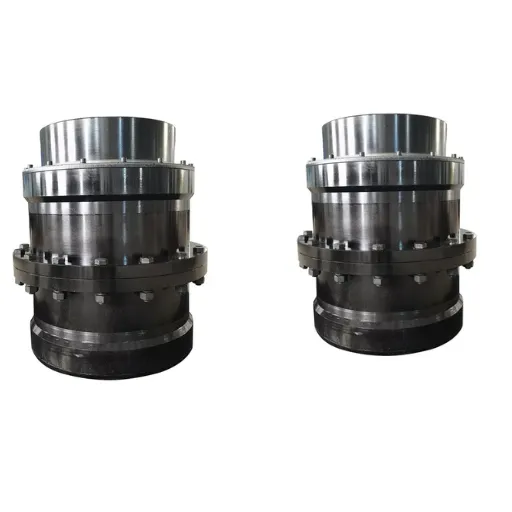
Standard GIICL sizes cover many applications, but some situations require customization. Consider a custom GIICL drum gear coupling when:
Shaft diameters fall outside standard bore ranges.
Spacer length or overall dimensions are non-standard.
Torque or speed exceeds catalog ratings.
The coupling must replace a legacy part no longer manufactured.
The environment requires special materials, seals, or coatings.
Hebei Suju offers custom coupling manufacturing from customer drawings or worn samples. Read about our custom coupling manufacturing process from drawing review to delivery.
Installation and Maintenance Tips
Proper installation and maintenance extend the service life of a GIICL drum gear coupling significantly. Follow these guidelines:
Align shafts within the coupling's rated limits. Even though GIICL couplings tolerate misalignment, operating near the limit increases wear. Learn more about measuring shaft misalignment before installation.
Use the correct lubricant. Follow the manufacturer's recommendation for grease type and replenishment interval.
Torque bolts to specification. Uneven bolt torque causes hub runout and vibration.
Inspect seals regularly. Replace damaged seals before contamination enters the gear mesh.
Monitor temperature and vibration. Unusual heat or vibration can indicate misalignment, lubrication failure, or wear.
For critical applications, schedule coupling inspection during planned maintenance shutdowns. Early wear detection prevents unexpected failures and costly production losses.
GIICL Drum Gear Coupling Selection Checklist
Use this GIICL drum gear coupling checklist to make sure you have covered the essentials before ordering:
Motor power and operating speed documented
Nominal torque calculated
Service factor selected based on application severity
Peak torque and shock loads considered
Required bore diameter and keyway size confirmed
Shaft misalignment measured or estimated
Axial travel from thermal expansion calculated
Maximum operating speed defined
Overall envelope dimensions verified
Material and heat treatment requirements specified
Lubricant type and sealing configuration selected
Inspection and certification requirements defined
If you can answer every item on this list, you're ready to request a quotation or send a drawing for review.
FAQ
What does GIICL stand for?
GIICL is a Chinese drum gear coupling designation. The "G" stands for gear, "II" indicates the second-generation design, "C" represents the drum gear tooth form, and "L" denotes the basic structural type.
What is the torque range of GIICL couplings?
Standard GIICL drum gear couplings range from approximately 800 N·m for GIICL1 to over 355,000 N·m for GIICL16. Larger custom sizes can be manufactured for special applications.
What materials are used for GIICL couplings?
Most GIICL couplings use 42CrMo or equivalent chromium-molybdenum alloy steel. Teeth are induction hardened or carburized for wear resistance. Material selection depends on torque, shock load, and environment.
Where are GIICL drum gear couplings used?
GIICL couplings are used in steel mills, mining equipment, cement kilns, cranes, pumps, compressors, and other heavy machinery where high torque and misalignment tolerance are required.
Can GIICL couplings be customized?
Yes. GIICL couplings can be customized with non-standard bores, spacer lengths, materials, seals, and torque ratings. Hebei Suju manufactures custom GIICL drum gear couplings from customer drawings or worn samples.
What standards apply to GIICL couplings?
GIICL couplings are often manufactured to Chinese industry standards such as JB/T, as well as international standards from ISO, AGMA, and DIN. Always confirm with your supplier which standard applies.
Conclusion
A GIICL drum gear coupling is a proven solution for high-torque, multi-misalignment industrial drives. Selecting the right size requires attention to torque, speed, bore, misalignment, material, heat treatment, and sealing. Understanding these specifications helps you avoid underperforming parts and premature failure.
Use the checklist in this guide to document your requirements, then compare them against the manufacturer's datasheet or drawing. If your application falls outside standard catalog ranges, consider a custom design.
Hebei Suju manufactures GIICL drum gear couplings for steel mills, mining operations, cement plants, cranes, and chemical facilities. Our engineering team reviews your application data and recommends the right size and specification before production.
For a broader selection process, see our complete drum gear coupling specification guide or our gear coupling selection guide.
Recently Posted
-
Jaw Coupling Spider Replacement: A Step-by-Step Maintenance Guide
July 28, 2026A maintenance technician at a packaging plant in Brazil noticed vibration on a motor-pump set during his morning rounds. The motor Read More
 -
Flexible Coupling for Motor Pump Sets: A Selection Guide
July 28, 2026A maintenance manager at a water treatment plant in Southeast Asia called us after replacing motor pump couplings three times in 1 Read More
 -
Flexible Shaft Coupling: Selection Guide for Industrial Drives
July 28, 2026When two rotating shafts are connected directly, even a small amount of misalignment can generate vibration, bearing load, and pre Read More
 -
Elastic Coupling: Vibration Control for Industrial Drives
July 28, 2026When a motor-pump set starts vibrating above acceptable limits, the first checks usually fall on bearing wear, impeller balance, o Read More

Contact Us
Recommended Products
-
 OEM Customizable Cardan Shaft Coupling Flexible Rigid Steel for Air Compressor Propeller Universal Construction Printing ShopsNegotiableMOQ: 2 Pieces
 -
Kc Coulpling Roller Chain Coupling Set With Chain and Sprocket for General MachineryNegotiableMOQ: 1 Piece
-
High Transmission Efficiency Drum Gear Coupling Easy Installation Gear Coupler For Heavy MachineryNegotiableMOQ: 10 Pieces
-
High-Torque Roller Chain Coupling Durable Steel Aluminium Construction Customizable Precision Engineering OEM Shaft CouplingsNegotiableMOQ: 2 Pieces
-
Customizable Rigid Iron Steel Aluminium Rubber Tyre Coupling OEM Support for Pumps Industrial Equipment Construction IndustriesNegotiableMOQ: 10 Pieces
-
Jsb Flexible Grid Coupling With Metallic Elastic Element Factory Direct Spider Snake Spring CouplingNegotiableMOQ: 10 Pieces
-
High Torque JQ/JQW Type Clamp Coupling for Motor & Gearbox 45 Steel Jacketed Iron Disc Structure Flexible Rigid OEM SupportedNegotiableMOQ: 2 Pieces
-
SWC Series Flange Universal Joint Coupling Hardened Cross Shaft Heavy Duty TransmissionNegotiableMOQ: 1 Piece
-
Heavy Duty Universal Coupling High Quality Universal Shaft for Machinery and EquipmentNegotiableMOQ: 1 Piece
-
OEM Customized Precision Cast Iron Zinc Aluminum Die Castings New Hydraulic Parts Fittings 1 Year WarrantyNegotiableMOQ: 100 Pieces
-
Yl Series Rigid Flange Coupling Power Transmission PartsNegotiableMOQ: 2 Pieces
-
Flange Coupling for Water Pump and Compressor Applications With Rubber Gasket SealNegotiableMOQ: 2 Pieces
-
Heavy-Duty Telescopic Welding Cardan Shaft for Universal UseNegotiableMOQ: 1 Piece
-
Flexible Universal Shaft Flange Coupling for Marine and Industrial Drive SystemsNegotiableMOQ: 10 Pieces
-
Durable Expansion Sleeve, Locking Assembly & Taper Lock Bushing for Robotic Arm JointsNegotiableMOQ: 1 Piece
-
High Quality Yl Type Rigid Flange Coupling Mechanical Transmission CouplingNegotiableMOQ: 2 Pieces
-
Stainless Steel Flexible Universal Joint Coupling for Motor Flange Gear Pump and Spline ShaftNegotiableMOQ: 1 Piece
-
Compact Drum Gear Coupling for Heavy Industrial Transmission High Torque CapacityNegotiableMOQ: 10 Pieces
-
Standard or Customized Jaw Beam (Helical) Flexible Coupling for General MachineryNegotiableMOQ: 10 Pieces
-
TL Series Elastic Pin Coupling Easy Replace Rubber Bush Coupling With Shaft Misalignment CompensationNegotiableMOQ: 10 Pieces