
 Business License
Bellows Coupling: Precision Guide for Servo Drives
When a semiconductor packaging line suddenly loses position accuracy, the fault rarely starts at the servo motor. More often, the culprit is the flexible shaft coupling hiding between the motor and ball screw. In high-precision automation, that small component determines whether the system repeats within microns or drifts over time.
A bellows coupling is one of the most reliable choices for these demanding drives. It transmits torque with virtually zero backlash while compensating for small shaft misalignments. If you design or maintain servo-driven equipment, understanding when and how to specify a bellows coupling will help you protect positioning accuracy and extend machine life.
In this guide, you will learn how bellows couplings work, where they perform best, how they compare to other flexible coupling types, and what to check before ordering one.
What Is a Bellows Coupling?
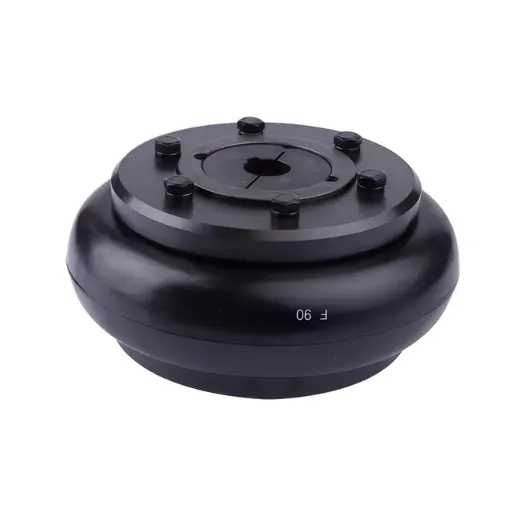
A bellows coupling is a flexible shaft coupling that uses a thin-walled metallic bellows as the torque-transmitting element. The bellows typically connects two hubs, one on the driving shaft and one on the driven shaft. When torque is applied, the convoluted metal tube flexes torsionally and accepts limited angular, radial, and axial misalignment.
The key advantage of a bellows coupling is its combination of high torsional stiffness and low backlash. Unlike elastomer couplings, which rely on a rubber or polyurethane element, the metal bellows does not compress or relax under load in the same way. This makes it ideal for servo and stepper motor applications where positional accuracy must repeat cycle after cycle.
At Hebei Suju, we supply precision flexible couplings for automation, packaging, and machinery manufacturing. Our engineering team can review your torque, speed, and misalignment data to recommend the right coupling type and size.
How Bellows Couplings Work
The working principle of a bellows coupling is straightforward but elegant. The metallic bellows acts as a spring-like torque path between two hubs. Its thin, convoluted walls allow controlled deformation in several directions.
Torque Transmission
Torque travels from the driving hub, through the bellows wall, and into the driven hub. Because the metal wall is thin and continuous, the coupling responds almost instantly to torque changes. This high torsional stiffness means the motor's commanded position closely matches the actual output position.
Misalignment Compensation
No two shafts are perfectly aligned. Bellows couplings accommodate:
Angular misalignment: when shaft centerlines meet at a slight angle.
Radial misalignment: when shaft centerlines are offset parallel to each other.
Axial movement: when shafts move slightly toward or away from each other due to thermal expansion or bearing float.
The allowable misalignment is small compared to elastomer or tyre couplings. However, it is usually sufficient for precision machinery where alignment is already held to close tolerances.
Backlash and Hysteresis
Because the bellows is a single metal element, there are no meshing teeth, pins, or elastomer inserts to create play. A quality bellows coupling offers near-zero backlash. This is why it is a common choice for servo motor coupling applications in CNC machines, robotics, and semiconductor equipment.
Where Bellows Couplings Are Used
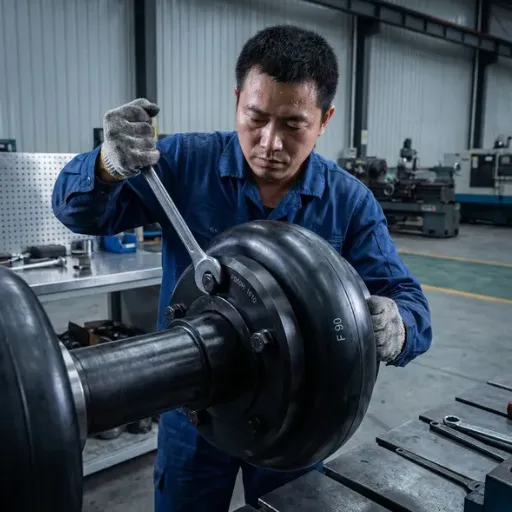
Bellows couplings appear wherever precision matters more than torque capacity. They are not the right choice for heavy rolling mills or mining crushers. They excel in applications where repeatability, speed, and compact size are critical.
Servo and Stepper Motor Drives
Servo motors rely on closed-loop position control. Any lost motion between motor and load reduces system response and accuracy. A zero backlash coupling keeps the drive responsive. Common servo applications include:
Ball screw drives in CNC machines.
Linear actuator systems in automation cells.
Rotary indexing tables.
Pick-and-place robots.
When Lin, a machine builder in Dongguan, switched from a jaw coupling to a bellows coupling on a high-speed pick-and-place unit, positioning repeatability improved from ±0.05 mm to ±0.02 mm. The change eliminated the small elastic deformation that had been causing pick errors at cycle rates above 60 per minute.
Semiconductor and Electronics Manufacturing
Chip placement machines, wire bonders, and PCB handling systems demand micron-level accuracy. Bellows couplings help maintain that accuracy by transmitting torque without introducing positional uncertainty. Their compact form also fits the tight spaces common in electronics equipment.
Medical and Laboratory Equipment
Diagnostic machines, liquid handlers, and imaging systems often use small servo drives. The low inertia and clean operation of a metal bellows coupling suit these environments. There are no elastomer particles to shed, and the coupling runs quietly.
Packaging and Printing Machinery
Registration accuracy is critical in labeling, printing, and converting machines. A precision coupling between the servo motor and print cylinder ensures that colors stay in register and cut lengths remain consistent. Bellows couplings handle the frequent starts, stops, and reverses typical of packaging equipment.
Aerospace and Test Equipment
In high-speed test stands and aerospace actuators, reliability and precision are non-negotiable. Bellows couplings withstand wide temperature ranges and provide stable torsional behavior, making them suitable for demanding validation environments.
Bellows Coupling vs Other Flexible Couplings
Choosing the right coupling means matching the design to the application priority. Bellows couplings are not always the best choice. Below is a comparison with common alternatives.
| Coupling Type | Backlash | Torque Capacity | Misalignment Tolerance | Best Applications |
|---|---|---|---|---|
| Bellows | Near zero | Low to medium | Low | Servo drives, CNC, robotics, semiconductor |
| Diaphragm | Near zero | Medium | Low to medium | High-speed turbines, compressors |
| Jaw/Spider | Low | Low to medium | Low to medium | Pumps, fans, general machinery |
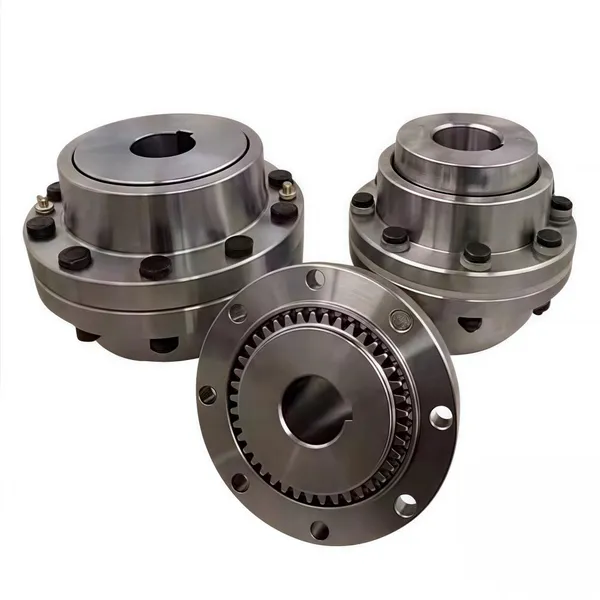
| Gear | Very low | Very high | Medium | Steel mills, mining, cement |
| Tyre | Low | Medium | High | Crushers, conveyors, reciprocating machinery |
| Beam/Helical | Low | Low | Low | Encoders, small servo drives |
When to Choose a Bellows Coupling
Choose a bellows coupling when:
Positioning accuracy and repeatability are critical.
The drive is servo or stepper controlled.
Operating speeds are moderate to high.
Misalignment is small and controlled.
Low inertia matters.
The environment excludes elastomer degradation.
When to Avoid a Bellows Coupling
Avoid a bellows coupling when:
Torque requirements exceed the coupling's rated capacity.
Large misalignment is expected from installation or thermal movement.
Heavy shock loads are present.
Cost is the only priority and precision is not required.
For a broader look at coupling types, see our guide to flexible coupling types.
Key Selection Criteria for Bellows Couplings
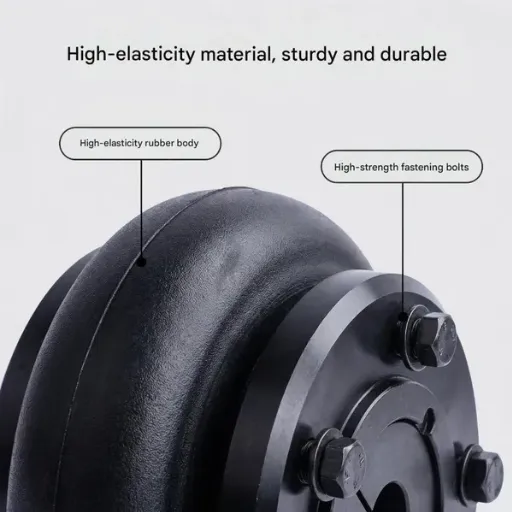
Selecting the right bellows coupling requires more than matching bore sizes. Engineers should review the following factors before finalizing a specification.
1. Rated Torque and Peak Torque
The coupling must handle the continuous torque of the application. It must also survive occasional peak torque from acceleration, deceleration, and emergency stops. Always include a service factor. For servo applications with frequent reversing, a service factor of 1.5 to 2.0 is common.
2. Torsional Stiffness
Torsional stiffness is the amount of angular twist per unit torque. A stiffer coupling transmits position changes more accurately but transmits more vibration. A less stiff coupling dampens vibration but may introduce position lag. Match the stiffness to the control loop requirements of your servo system.
3. Maximum Operating Speed
High-speed applications generate centrifugal forces. Check the coupling's rated maximum speed and whether dynamic balancing is required. For speeds above 10,000 RPM, request a balanced coupling and verify runout limits.
4. Misalignment Capacity
Review angular, radial, and axial misalignment limits. Even though bellows couplings tolerate misalignment, operating near the limit reduces fatigue life. Align shafts as precisely as possible during installation.
5. Bore Diameters and Hub Style
Confirm the shaft diameters for both hubs. Some bellows couplings use clamp-style hubs for easy installation, while others use set screws or keyways. Clamp hubs generally provide better concentricity and are preferred for precision applications.
6. Environmental Conditions
Bellows couplings perform well in vacuum, clean rooms, and wide temperature ranges. However, corrosive chemicals or abrasive particles can damage the thin bellows wall. Specify stainless steel or protective coatings when necessary.
7. Space and Inertia Constraints
In compact machines, the outside diameter and overall length of the coupling matter. Low inertia helps the servo motor accelerate and decelerate faster. Review the coupling envelope early in the mechanical design.
At Hebei Suju, our engineers review these parameters when recommending a coupling. If your application has special requirements, we provide custom coupling manufacturing from your drawing or sample.
Materials and Construction
The performance of a bellows coupling depends on material selection and manufacturing quality.
Bellows Material
Stainless steel is the most common material for the bellows. Grade 304 or 316 provides corrosion resistance and fatigue strength. For higher torque or stiffness, some designs use specialized alloys. The wall thickness and convolution geometry determine flexibility and fatigue life.
Hub Material
Hubs are typically made from aluminum alloy or stainless steel. Aluminum keeps inertia low, which benefits high-acceleration servo drives. Stainless steel adds strength and corrosion resistance for harsh environments.
Manufacturing Quality
Precision couplings require accurate machining and assembly. Key quality points include:
Concentricity between hub bores and bellows centerline.
Uniform wall thickness in the bellows convolutions.
Clean weld or adhesive joints between bellows and hubs.
Balanced construction for high-speed operation.
Hebei Suju follows a full-process quality control system from incoming material inspection through final dimensional checks. This ensures consistent performance for precision transmission components.
Installation and Maintenance Best Practices
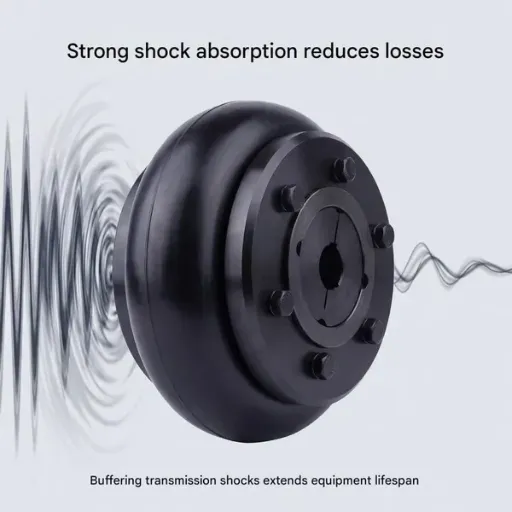
A precision coupling can only perform if it is installed correctly. Follow these guidelines to maximize service life.
1. Align Shafts Properly
Although a bellows coupling tolerates misalignment, accuracy improves and fatigue life extends when shafts are well aligned. Use dial indicators or laser alignment tools for critical installations.
2. Avoid Overloading During Assembly
Do not force the coupling onto shafts by hammering. Use a press or puller if needed. Excessive force can distort the bellows and introduce runout.
3. Secure Hubs Evenly
Tighten clamp screws in the recommended sequence and to the specified torque. Uneven tightening causes hub runout and imbalance.
4. Do Not Exceed Misalignment Limits
Even if the machine appears to run fine, continuous operation beyond rated misalignment will eventually fatigue the bellows. Monitor for vibration or temperature rise as early warning signs.
5. Inspect Periodically
For critical drives, inspect the coupling during scheduled maintenance. Look for cracks in the bellows, loosened hardware, or signs of corrosion. Replace the coupling at the first sign of fatigue rather than waiting for failure.
6. Protect from Contamination
In dirty or chemically aggressive environments, use guards or shields to protect the thin bellows wall. Cleanroom applications benefit from the metal construction because there are no elastomer elements to degrade.
When to Specify a Custom Bellows Coupling
Standard catalog bellows couplings fit many servo and automation applications. However, some projects require a custom solution. Consider a custom bellows coupling when:
Shaft diameters fall outside standard catalog ranges.
The envelope length or outside diameter is restricted.
Special materials are needed for temperature or corrosion resistance.
The torque or speed rating requires a non-standard design.
You are replacing a legacy coupling that is no longer available.
A recent project for a laser equipment OEM illustrates this. The original coupling from a European supplier had a 14-week lead time and a high minimum order quantity. Hebei Suju produced a functionally equivalent custom bellows coupling from the customer's drawing, with stainless steel hubs and a shorter overall length to fit the redesigned optical stage. The customer received samples within three weeks and reduced unit cost by over 30%.
For non-standard requirements, send us your drawing and we will review manufacturability, recommend materials, and provide a quotation.
Common Mistakes in Bellows Coupling Selection
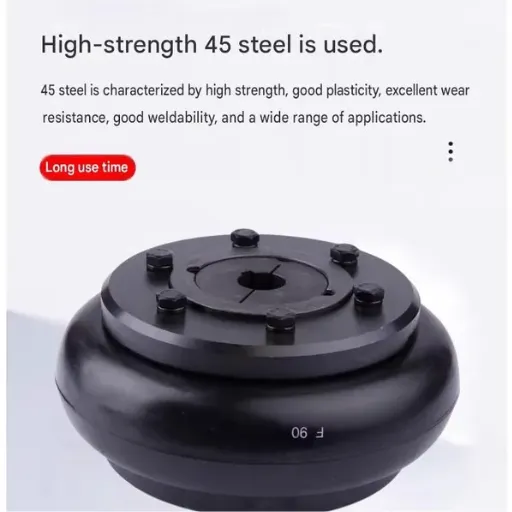
Even experienced designers can make errors that reduce coupling life or machine accuracy. Avoid these mistakes:
Selecting by bore size only: torque, stiffness, and speed matter just as much.
Ignoring service factor: frequent reversing and shock loads need higher safety margins.
Overlooking thermal growth: shaft expansion can increase axial load on the bellows.
Poor installation alignment: excessive misalignment causes premature fatigue.
Using the wrong hub style: set screws can damage shafts and reduce accuracy compared to clamp hubs.
Neglecting inertia: heavy hubs slow servo response in high-acceleration systems.
If you are replacing a failed coupling, investigate the root cause before ordering the same part. The failure mode often points to a specification or installation issue that should be corrected.
Conclusion
Bellows couplings fill a specific but important role in industrial transmission. They offer zero backlash, high torsional stiffness, and compact size for servo motors, CNC machines, robotics, and precision automation. They are not universal solutions, but when the application demands accuracy over torque, they are often the best flexible shaft coupling choice.
Key takeaways:
Use a bellows coupling when positioning accuracy and repeatability are critical.
Match rated torque, stiffness, speed, and misalignment capacity to the application.
Install with proper alignment and hub fastening to maximize fatigue life.
Specify custom designs when catalog parts do not fit your envelope or performance needs.
At Hebei Suju, we help engineers select and source precision couplings for automation, packaging, medical, and machinery applications. Whether you need a standard flexible coupling or a custom design from drawing, our team can support your project.
Recently Posted
-
Jaw Coupling Spider Replacement: A Step-by-Step Maintenance Guide
July 28, 2026A maintenance technician at a packaging plant in Brazil noticed vibration on a motor-pump set during his morning rounds. The motor Read More
 -
Flexible Coupling for Motor Pump Sets: A Selection Guide
July 28, 2026A maintenance manager at a water treatment plant in Southeast Asia called us after replacing motor pump couplings three times in 1 Read More
 -
Flexible Shaft Coupling: Selection Guide for Industrial Drives
July 28, 2026When two rotating shafts are connected directly, even a small amount of misalignment can generate vibration, bearing load, and pre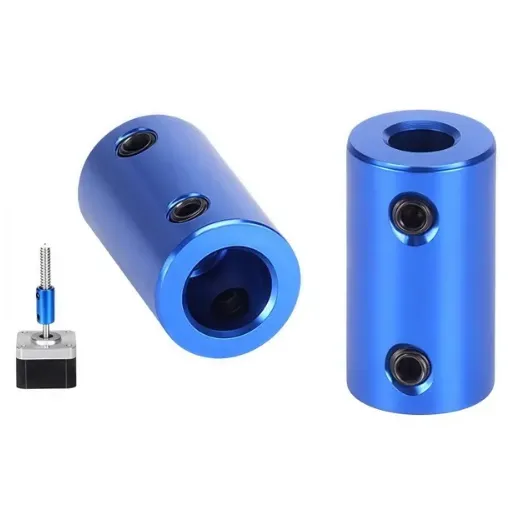 Read More
 -
Elastic Coupling: Vibration Control for Industrial Drives
July 28, 2026When a motor-pump set starts vibrating above acceptable limits, the first checks usually fall on bearing wear, impeller balance, o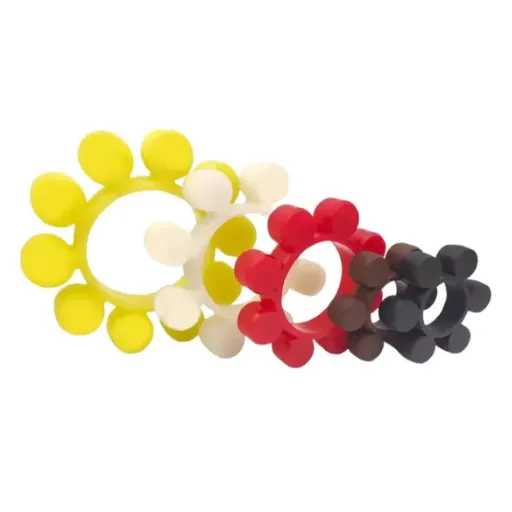 Read More

Contact Us

Recommended Products
-
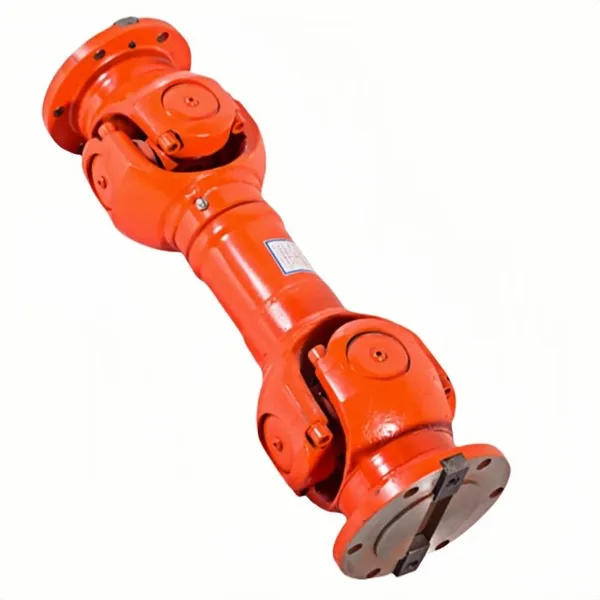
 OEM Customizable Cardan Shaft Coupling Flexible Rigid Steel for Air Compressor Propeller Universal Construction Printing ShopsNegotiableMOQ: 2 Pieces
 -
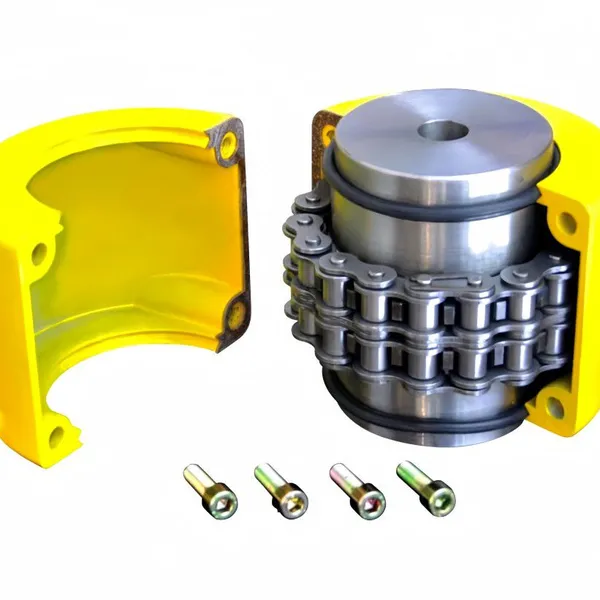
Kc Coulpling Roller Chain Coupling Set With Chain and Sprocket for General MachineryNegotiableMOQ: 1 Piece
-
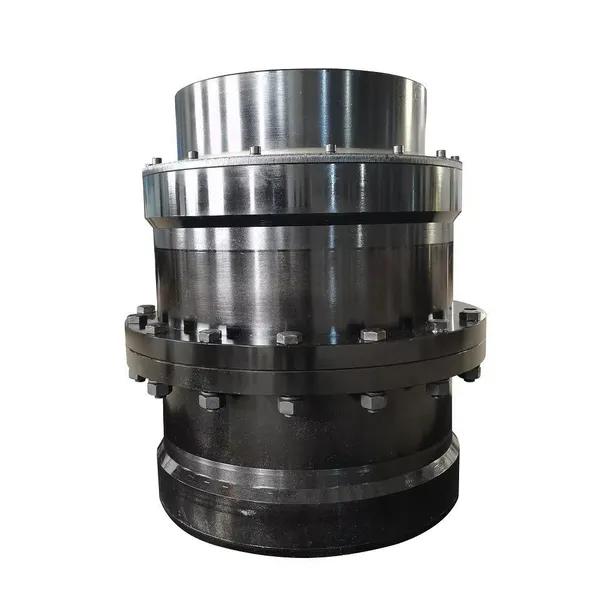
High Transmission Efficiency Drum Gear Coupling Easy Installation Gear Coupler For Heavy MachineryNegotiableMOQ: 10 Pieces
-
High-Torque Roller Chain Coupling Durable Steel Aluminium Construction Customizable Precision Engineering OEM Shaft CouplingsNegotiableMOQ: 2 Pieces
-
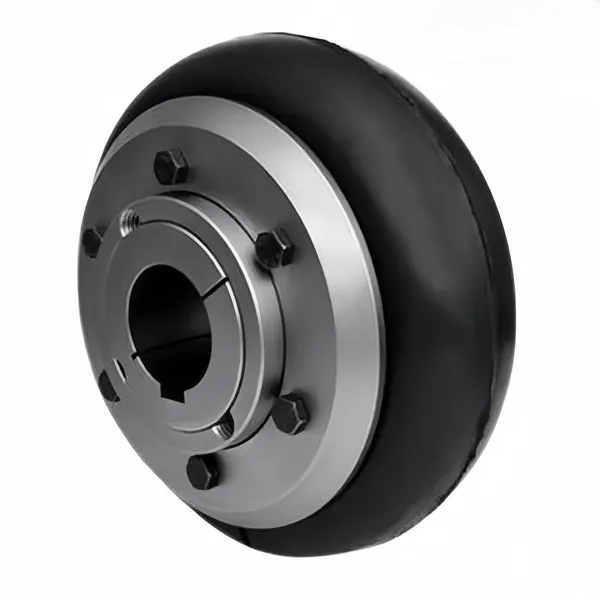
Customizable Rigid Iron Steel Aluminium Rubber Tyre Coupling OEM Support for Pumps Industrial Equipment Construction IndustriesNegotiableMOQ: 10 Pieces
-
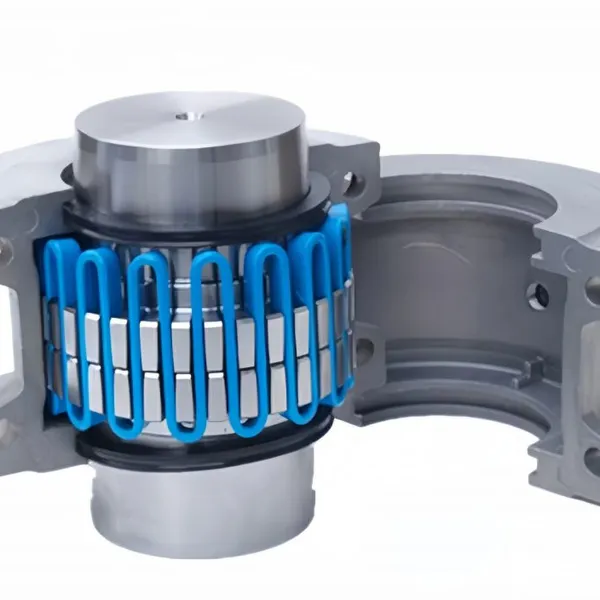
Jsb Flexible Grid Coupling With Metallic Elastic Element Factory Direct Spider Snake Spring CouplingNegotiableMOQ: 10 Pieces
-
High Torque JQ/JQW Type Clamp Coupling for Motor & Gearbox 45 Steel Jacketed Iron Disc Structure Flexible Rigid OEM SupportedNegotiableMOQ: 2 Pieces
-
SWC Series Flange Universal Joint Coupling Hardened Cross Shaft Heavy Duty TransmissionNegotiableMOQ: 1 Piece
-
Heavy Duty Universal Coupling High Quality Universal Shaft for Machinery and EquipmentNegotiableMOQ: 1 Piece
-
OEM Customized Precision Cast Iron Zinc Aluminum Die Castings New Hydraulic Parts Fittings 1 Year WarrantyNegotiableMOQ: 100 Pieces
-
Yl Series Rigid Flange Coupling Power Transmission PartsNegotiableMOQ: 2 Pieces
-
Flange Coupling for Water Pump and Compressor Applications With Rubber Gasket SealNegotiableMOQ: 2 Pieces
-
Heavy-Duty Telescopic Welding Cardan Shaft for Universal UseNegotiableMOQ: 1 Piece
-
Flexible Universal Shaft Flange Coupling for Marine and Industrial Drive SystemsNegotiableMOQ: 10 Pieces
-
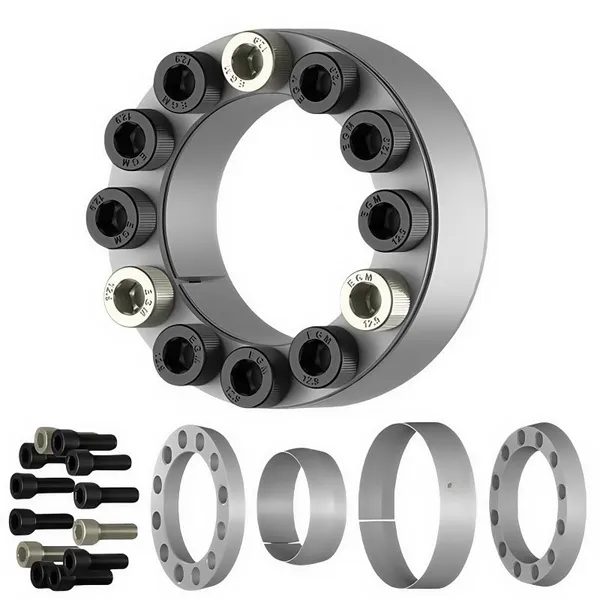
Durable Expansion Sleeve, Locking Assembly & Taper Lock Bushing for Robotic Arm JointsNegotiableMOQ: 1 Piece
-
High Quality Yl Type Rigid Flange Coupling Mechanical Transmission CouplingNegotiableMOQ: 2 Pieces
-
Stainless Steel Flexible Universal Joint Coupling for Motor Flange Gear Pump and Spline ShaftNegotiableMOQ: 1 Piece
-
Compact Drum Gear Coupling for Heavy Industrial Transmission High Torque CapacityNegotiableMOQ: 10 Pieces
-
Standard or Customized Jaw Beam (Helical) Flexible Coupling for General MachineryNegotiableMOQ: 10 Pieces
-
TL Series Elastic Pin Coupling Easy Replace Rubber Bush Coupling With Shaft Misalignment CompensationNegotiableMOQ: 10 Pieces