
 Business License
Jaw Coupling: A Practical Guide for Pumps, Fans, and Motor Drives
In 2024, a water treatment plant in South Africa replaced the failed gear coupling on a 55 kW pump motor with a jaw coupling because the maintenance team wanted something simpler to service. The change cut coupling maintenance time from four hours to 30 minutes, reduced vibration by 25%, and eliminated lubrication from that drive altogether. The application did not need the torque capacity of a gear coupling. It needed the reliability and simplicity of this design.
A jaw coupling is one of the most widely used flexible couplings in industrial machinery. It connects two shafts through interlocking jaws and an elastomer spider that absorbs vibration, dampens shock, and allows small amounts of misalignment. It is simple, cost-effective, and easy to maintain, which makes it a popular choice for pump motors, fans, compressors, and conveyors.
This guide explains what this coupling is, how it works, when to choose it, and how to install and maintain it. By the end, you will know whether it fits your application and what to specify when ordering.
What Is a Jaw Coupling?
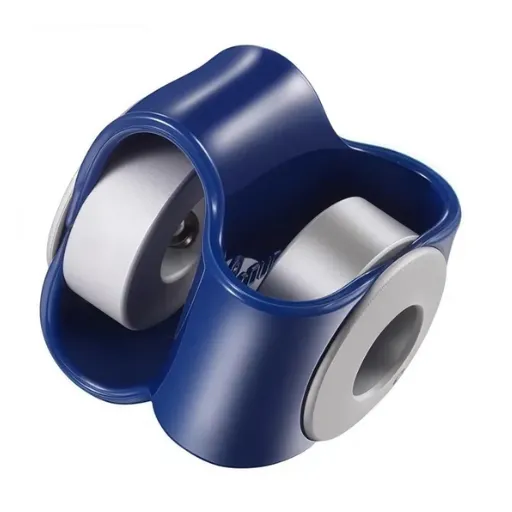
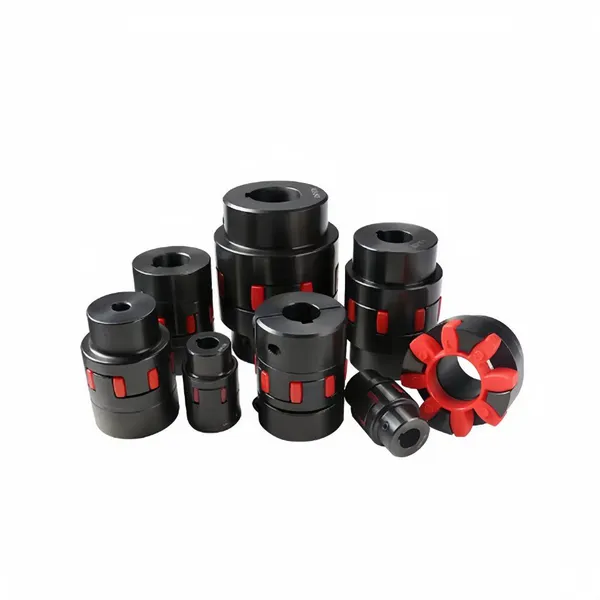
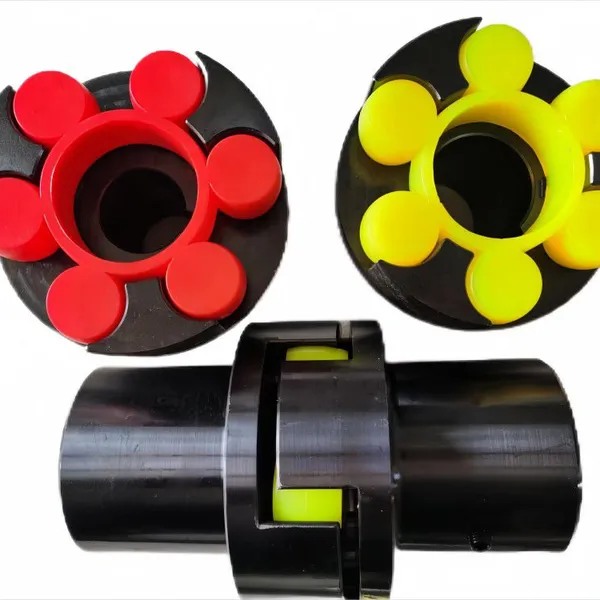
A jaw coupling, also called a spider coupling, consists of two metal hubs and an elastomer insert called a spider. Each hub has three or more jaws that mesh with the gaps in the spider. The spider transmits torque between the hubs while absorbing vibration and accommodating small amounts of angular, radial, and axial misalignment.
The hubs are usually made from cast iron, steel, or aluminum. The spider can be made from different elastomer materials depending on the operating conditions. Common spider materials include:
Polyurethane (PU): Good balance of strength, flexibility, and oil resistance.
Nitrile rubber (NBR): Better for higher temperatures and some oil exposure.
Hytrel: Higher torque capacity and chemical resistance.
Bronze: Used in some high-temperature or electrically isolating designs.
The design is compact and requires no lubrication. If the spider wears out, it can usually be replaced without moving the connected machines. This is one of the main reasons this design is popular in maintenance-sensitive applications.
At Hebei Suju, we supply jaw couplings with multiple spider material options for motor-pump sets, fans, compressors, and general machinery.
How Does a Jaw Coupling Work?
Torque transmits from the driving hub to the spider, then from the spider to the driven hub. The elastomer spider deforms slightly under load, which allows the coupling to:
Absorb vibration from the motor or driven equipment.
Dampen shock loads during startup and stopping.
Accommodate small misalignment between shafts.
Protect bearings by reducing the transmission of torsional shock.
The jaws on the hubs are curved or straight depending on the design. Curved jaws distribute load more evenly across the spider and allow slightly higher torque. Straight jaws are simpler and less expensive but may create more stress concentration.
Because the spider is the wear element, jaw couplings are sometimes called "spider couplings." The metal hubs typically last the life of the equipment. The spider is the only part that needs regular inspection.
Jaw Coupling Types and Their Differences
Jaw couplings come in several designs. The right type depends on torque, speed, misalignment, and environmental conditions.
Standard Design
The most common design has two hubs and a spider insert. It is used in general industrial applications where torque is moderate and misalignment is small. Standard designs are economical and widely available.
Spacer Design
A spacer design includes an extended center sleeve or a two-piece spider that creates space between the hubs. This allows maintenance access without moving the motor or driven machine. Spacer couplings are useful when equipment is close to walls or other obstacles.
Bore-Flexible Design
Some designs use a tapered or clamp-style bore to fit different shaft diameters without keyways. These are useful for prototype equipment or applications where shaft sizes vary.
Zero-Backlash Design
Zero-backlash designs use a preloaded spider to minimize rotational play. They are suitable for positioning systems, encoders, and light automation equipment where accuracy matters.
High-Torque Design
High-torque designs use larger spiders, stronger materials, or curved jaws to handle more power. These bridge the gap between standard couplings of this type and gear couplings.
When to Use This Coupling
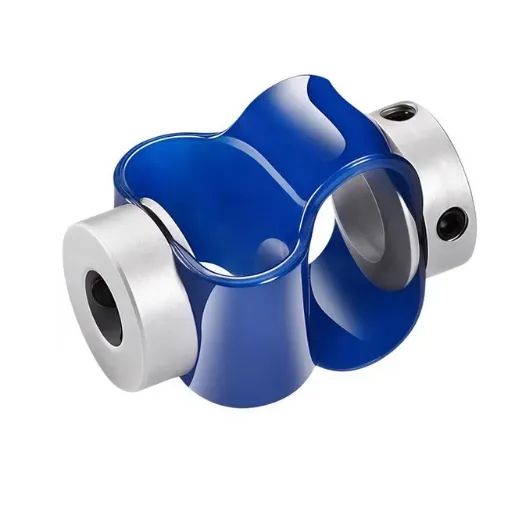
Choose this coupling type when the application needs vibration damping, easy maintenance, and only moderate torque. Common use cases include:
Pump motors: Centrifugal and positive displacement pumps.
Fans and blowers: HVAC, process ventilation, and cooling systems.
Compressors: Air compressors and refrigeration compressors.
Conveyors: Light to medium material handling drives.
Machine tools: Small lathes, mills, and automation equipment.
Food and packaging: Washdown-compatible designs with food-grade spiders.
Avoid this coupling type when:
Torque exceeds the spider rating.
Shaft misalignment is large or continuously changing.
The environment is extremely hot, abrasive, or chemically aggressive.
Zero backlash and high precision are required beyond the coupling's capability.
The drive has severe shock loads or frequent reversing cycles.
A plastics manufacturer in Thailand selected this design for its extruder cooling fan drive. The motor was 22 kW, the misalignment was within 0.5 mm, and the team wanted to avoid lubrication. The coupling ran for three years with only one spider replacement. The same application would have been over-specified with a gear coupling.
Jaw Coupling Selection Guide
Selecting the right coupling requires matching the product to the application. Follow these steps.
1. Determine Torque Requirements
Calculate the nominal torque from motor power and speed. Use the formula:
T = 9550 × P / n
Where T is torque in N·m, P is power in kW, and n is speed in RPM.
Apply a service factor based on the application. Typical service factors range from 1.0 for smooth, steady loads to 2.5 for reciprocating or high-shock loads. Select a coupling whose rated torque exceeds the calculated torque multiplied by the service factor.
2. Check Shaft Sizes
The coupling bore must match the shaft diameters of the motor and driven equipment. Check the minimum and maximum bore capacity of the coupling. If the shafts are different sizes, select a coupling with different bore options for each hub.
3. Estimate Misalignment
Measure or estimate angular, radial, and axial misalignment. Jaw couplings tolerate small misalignment, typically:
Angular: up to 1° per hub.
Radial: up to 0.5-1.0 mm depending on size.
Axial: up to 0.5-2.0 mm depending on design.
Exceeding these limits shortens spider life and increases vibration.
4. Choose Spider Material
Select the spider material based on temperature, chemical exposure, and torque:
| Spider Material | Temperature Range | Best For |
|---|---|---|
| Polyurethane | -30°C to 80°C | General industrial use, oil resistance |
| Nitrile rubber | -30°C to 100°C | Higher temperatures, some oil exposure |
| Hytrel | -40°C to 120°C | Higher torque, chemical resistance |
| Bronze | Up to 200°C+ | High temperature, electrical isolation |
5. Consider Environmental Factors
For washdown or food applications, choose a stainless steel hub and food-grade spider. For outdoor use, select a UV-resistant spider material. For electrically sensitive equipment, consider an insulating spider to prevent current passage between shafts.
Jaw Coupling Installation Procedure
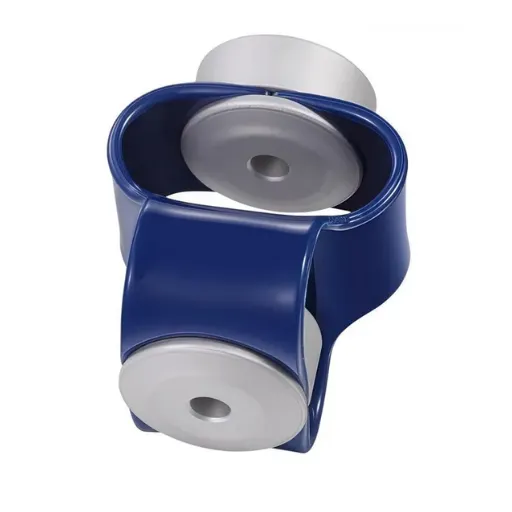
Proper installation extends spider life and reduces vibration. Follow these steps.
1. Inspect Components
Check the hubs and spider for damage before installation. Verify that the bores match the shaft diameters and that keyways align if used.
2. Mount the Hubs
Slide each hub onto its shaft. Use a key if required. Tighten the set screws or clamp bolts to the manufacturer's torque specification. Do not overtighten, as this can damage the bore or distort the hub.
3. Align the Shafts
Align the shafts as closely as possible within the coupling's rated limits. Use a straightedge, dial indicator, or laser alignment tool. Better alignment means longer spider life.
4. Install the Spider
Insert the spider into one hub. Then bring the second hub into engagement. Make sure the jaws seat fully into the spider gaps. Do not force the spider if it does not fit.
5. Check Assembly
Rotate the coupling by hand to confirm smooth engagement. Check for axial clearance and verify that the hubs are properly spaced. Run the drive at low speed first and monitor vibration and temperature.
For custom shaft coupling requirements, Hebei Suju can machine hubs to non-standard bores or keyway sizes.
Jaw Coupling Maintenance and Troubleshooting
Jaw couplings are low maintenance, but they are not maintenance-free. Regular inspection prevents unexpected failures.
Inspection Checklist
Visual spider check: Look for cracks, chunks, or excessive wear.
Vibration monitoring: Increased vibration often indicates spider degradation or misalignment.
Bolt torque: Verify that hub fasteners remain tight.
Temperature: Excessive heat can indicate overload or poor alignment.
Noise: Squealing or knocking may mean a worn or improperly seated spider.
Common Problems and Causes
| Problem | Likely Cause | Solution |
|---|---|---|
| Excessive vibration | Worn spider or misalignment | Replace spider, realign shafts |
| Spider cracking | Overload, high temperature, or chemical attack | Check torque and environment, select correct spider |
| Loose hubs | Insufficient clamp torque or worn keyway | Retorque or replace hub |
| Heat buildup | Overload or poor alignment | Reduce load or improve alignment |
| Premature wear | Misalignment beyond rating | Realign or select different coupling type |
A food processing plant in Italy learned the value of correct spider material. It used standard polyurethane spiders in a steamy washdown area. The spiders absorbed moisture and softened, causing vibration within six months. After switching to nitrile rubber spiders rated for the environment, the coupling ran for two years without issues.
Jaw Coupling vs Other Flexible Couplings
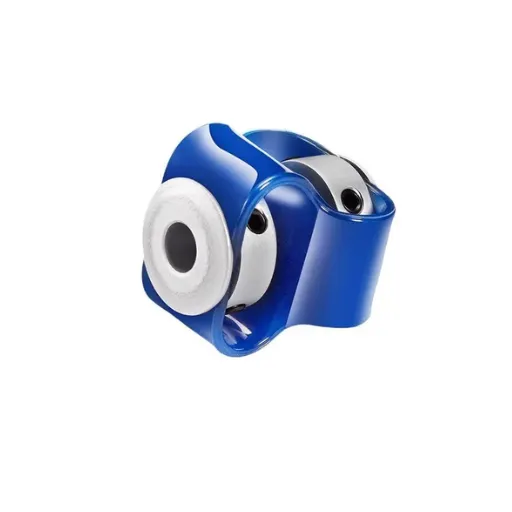
These couplings are one option among many flexible coupling types. Here is how they compare.
| Feature | Jaw Coupling | Tyre Coupling | Gear Coupling | Diaphragm Coupling |
|---|---|---|---|---|
| Torque capacity | Low to medium | Medium | Very high | Medium to high |
| Vibration damping | Good | Excellent | Low | Low |
| Misalignment tolerance | Low to medium | High | Medium | Low |
| Maintenance | Easy spider replacement | Tyre replacement | Lubrication required | Low |
| Backlash | Some | Some | Small | Near zero |
| Cost | Low | Moderate | Higher | Higher |
| Best applications | Pumps, fans, compressors | Crushers, conveyors | Steel, mining, cement | High-speed, precision |
Jaw couplings offer the best balance of cost, simplicity, and damping for light to medium industrial drives. When torque or misalignment exceeds their range, other coupling types become the better choice.
Materials and Manufacturing Quality
The quality of a jaw coupling depends on the hub material and the spider formulation. Cast iron hubs are common for general industrial use because they are cost-effective and provide good damping. Steel hubs are used when higher strength is needed. Aluminum hubs reduce weight and inertia for smaller drives.
Spider quality is equally important. A poorly formulated spider will harden, crack, or soften prematurely. Reputable manufacturers test spiders for hardness, tensile strength, and temperature resistance. When sourcing couplings, ask about spider material specifications and expected service life under your operating conditions.
At Hebei Suju, we machine hubs from quality materials and supply spiders matched to common industrial environments. For special conditions, we can recommend or source custom spider materials.
Conclusion
This coupling is a reliable, low-maintenance solution for motor-driven equipment that needs vibration damping and small misalignment accommodation. It is not suitable for every application, but it is the right choice for many pumps, fans, compressors, and conveyors.
To select the right coupling, calculate the torque, check shaft sizes, estimate misalignment, choose the right spider material, and consider the environment. Install the hubs with correct alignment and torque, inspect the spider regularly, and replace it before it fails.
At Hebei Suju, we supply jaw couplings and other flexible couplings for industrial applications worldwide. If you need a standard coupling or a custom design for a special bore or environment, send us your drawing or request a quotation for technical support.
Recently Posted
-
Jaw Coupling Spider Replacement: A Step-by-Step Maintenance Guide
July 28, 2026A maintenance technician at a packaging plant in Brazil noticed vibration on a motor-pump set during his morning rounds. The motor Read More
 -
Flexible Coupling for Motor Pump Sets: A Selection Guide
July 28, 2026A maintenance manager at a water treatment plant in Southeast Asia called us after replacing motor pump couplings three times in 1 Read More
 -
Flexible Shaft Coupling: Selection Guide for Industrial Drives
July 28, 2026When two rotating shafts are connected directly, even a small amount of misalignment can generate vibration, bearing load, and pre Read More
 -
Elastic Coupling: Vibration Control for Industrial Drives
July 28, 2026When a motor-pump set starts vibrating above acceptable limits, the first checks usually fall on bearing wear, impeller balance, o Read More

Contact Us
Recommended Products
-
 OEM Customizable Cardan Shaft Coupling Flexible Rigid Steel for Air Compressor Propeller Universal Construction Printing ShopsNegotiableMOQ: 2 Pieces
 -
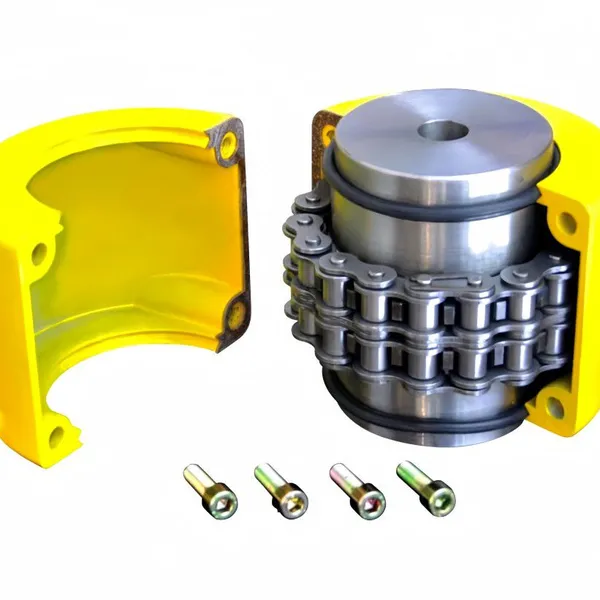
Kc Coulpling Roller Chain Coupling Set With Chain and Sprocket for General MachineryNegotiableMOQ: 1 Piece
-
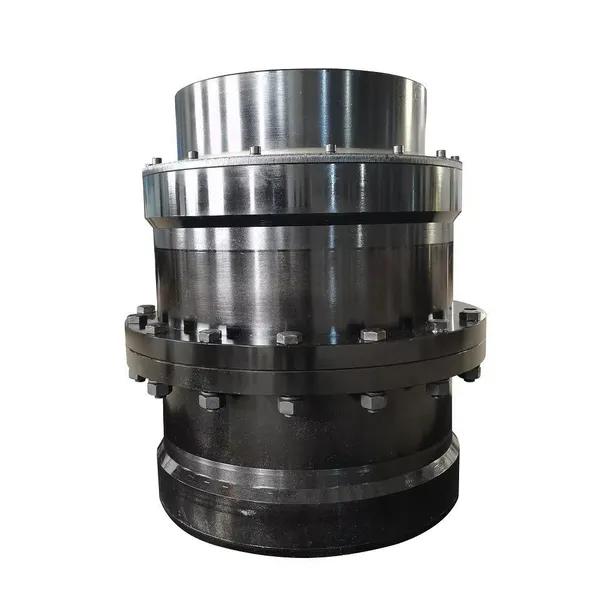
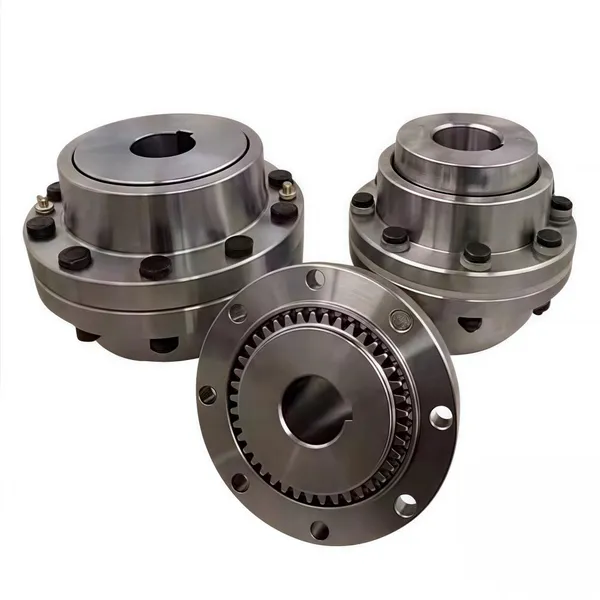
High Transmission Efficiency Drum Gear Coupling Easy Installation Gear Coupler For Heavy MachineryNegotiableMOQ: 10 Pieces
-
High-Torque Roller Chain Coupling Durable Steel Aluminium Construction Customizable Precision Engineering OEM Shaft CouplingsNegotiableMOQ: 2 Pieces
-
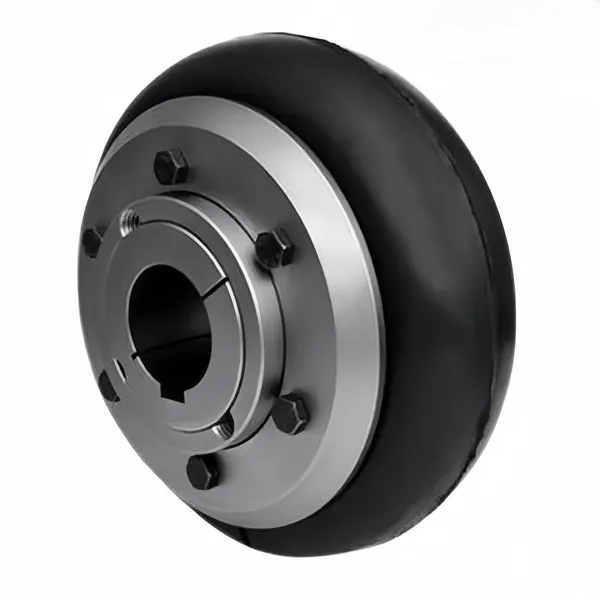
Customizable Rigid Iron Steel Aluminium Rubber Tyre Coupling OEM Support for Pumps Industrial Equipment Construction IndustriesNegotiableMOQ: 10 Pieces
-
Jsb Flexible Grid Coupling With Metallic Elastic Element Factory Direct Spider Snake Spring CouplingNegotiableMOQ: 10 Pieces
-
High Torque JQ/JQW Type Clamp Coupling for Motor & Gearbox 45 Steel Jacketed Iron Disc Structure Flexible Rigid OEM SupportedNegotiableMOQ: 2 Pieces
-
SWC Series Flange Universal Joint Coupling Hardened Cross Shaft Heavy Duty TransmissionNegotiableMOQ: 1 Piece
-
Heavy Duty Universal Coupling High Quality Universal Shaft for Machinery and EquipmentNegotiableMOQ: 1 Piece
-
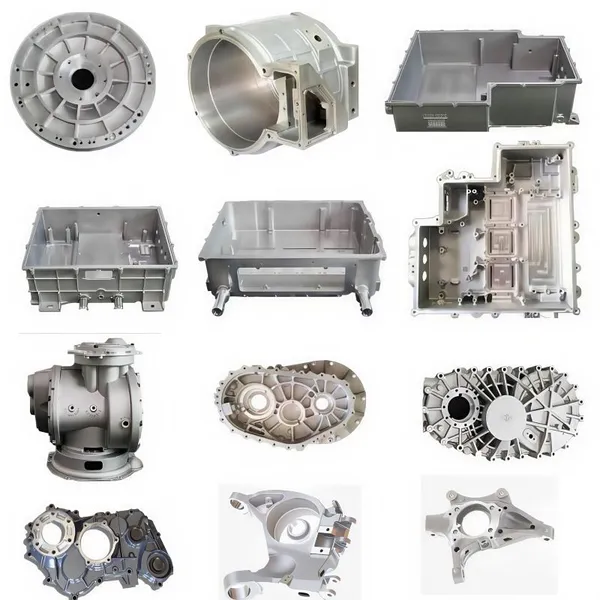
OEM Customized Precision Cast Iron Zinc Aluminum Die Castings New Hydraulic Parts Fittings 1 Year WarrantyNegotiableMOQ: 100 Pieces
-
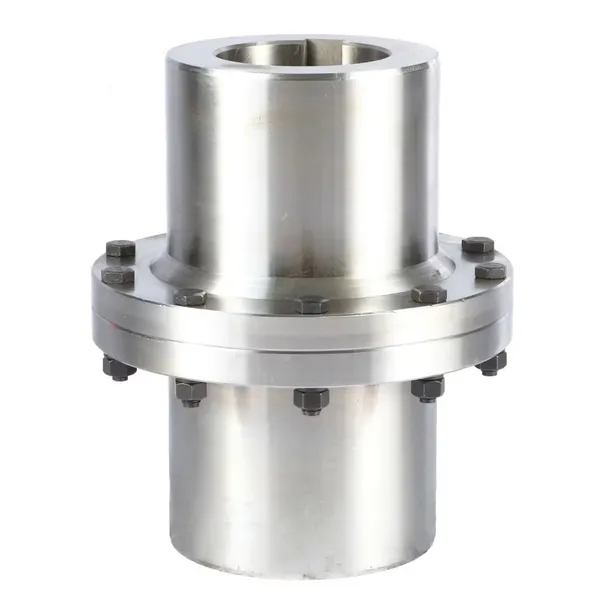
Yl Series Rigid Flange Coupling Power Transmission PartsNegotiableMOQ: 2 Pieces
-
Flange Coupling for Water Pump and Compressor Applications With Rubber Gasket SealNegotiableMOQ: 2 Pieces
-
Heavy-Duty Telescopic Welding Cardan Shaft for Universal UseNegotiableMOQ: 1 Piece
-
Flexible Universal Shaft Flange Coupling for Marine and Industrial Drive SystemsNegotiableMOQ: 10 Pieces
-
Durable Expansion Sleeve, Locking Assembly & Taper Lock Bushing for Robotic Arm JointsNegotiableMOQ: 1 Piece
-
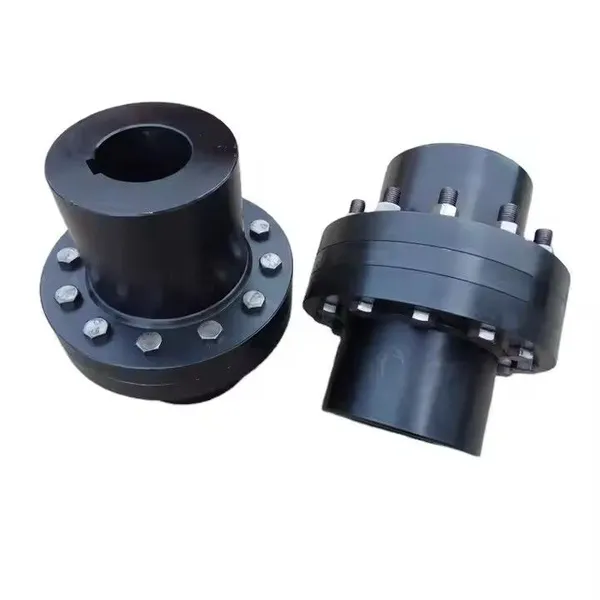
High Quality Yl Type Rigid Flange Coupling Mechanical Transmission CouplingNegotiableMOQ: 2 Pieces
-
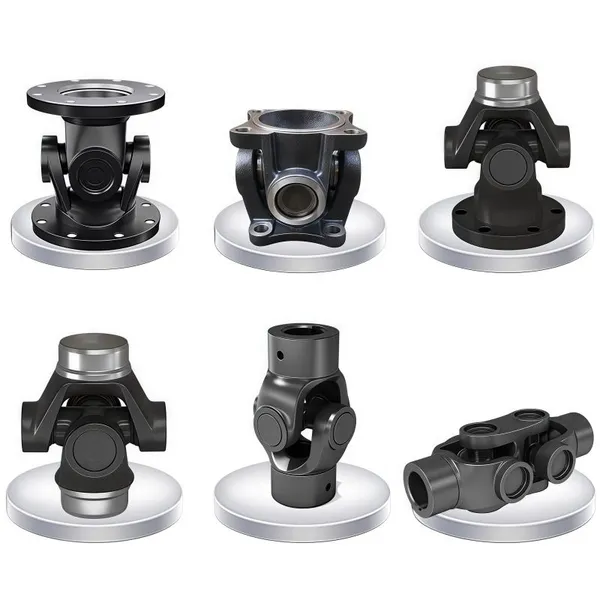
Stainless Steel Flexible Universal Joint Coupling for Motor Flange Gear Pump and Spline ShaftNegotiableMOQ: 1 Piece
-
Compact Drum Gear Coupling for Heavy Industrial Transmission High Torque CapacityNegotiableMOQ: 10 Pieces
-
Standard or Customized Jaw Beam (Helical) Flexible Coupling for General MachineryNegotiableMOQ: 10 Pieces
-
TL Series Elastic Pin Coupling Easy Replace Rubber Bush Coupling With Shaft Misalignment CompensationNegotiableMOQ: 10 Pieces