
 Business License
Gear Coupling Applications: Where They Work and Why
At 5:15 on a harvest-season morning, a maintenance manager named Rafael walked past the cane shredder at a sugar mill and heard the drive change note. Not loud. Just different. The 900 kW shredder had been swallowing cane at full rate since crushing started, and its original elastomer coupling had already been replaced twice in three seasons. This time, Rafael decided the drive, a textbook gear coupling application, needed a coupling built for the job, not one the budget had settled for.
The answer turned out to be a gear coupling, and the choice put Rafael's mill in good company. From rolling mills to mine hoists, from paper machines to ship winches, gear coupling applications share a recognizable pattern: high torque, real misalignment, and no tolerance for surprise failures. Ask where gear couplings are used, and the short answer is steel mills, mines, cement plants, cranes, paper machines, sugar mills, pumps, marine drives, and power stations.
If you have ever wondered where gear couplings are used and why engineers keep specifying them for heavy drives, this guide is for you. We will walk through the major gear coupling applications industry by industry, look at what each drive demands, and show how engineers match a coupling series to the machine. By the end, you will know whether your own drive belongs on the list.
Why Gear Coupling Applications Span So Many Industries
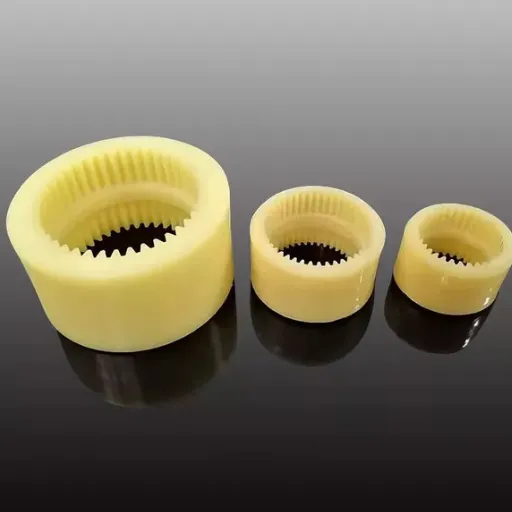
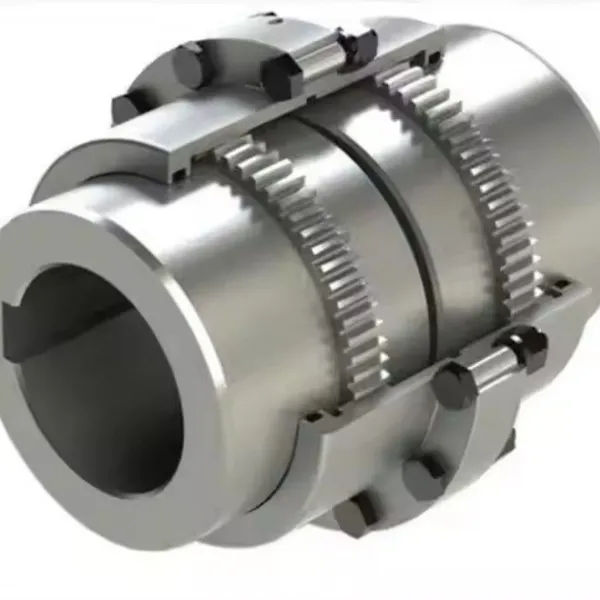
A gear coupling transmits torque through meshing crowned hub teeth and straight sleeve teeth, all running in lubricant. That simple arrangement does three things other coupling types struggle to combine: it carries very high torque in a compact envelope, it absorbs angular, radial, and axial misalignment, and it keeps working for years if the lubrication holds.
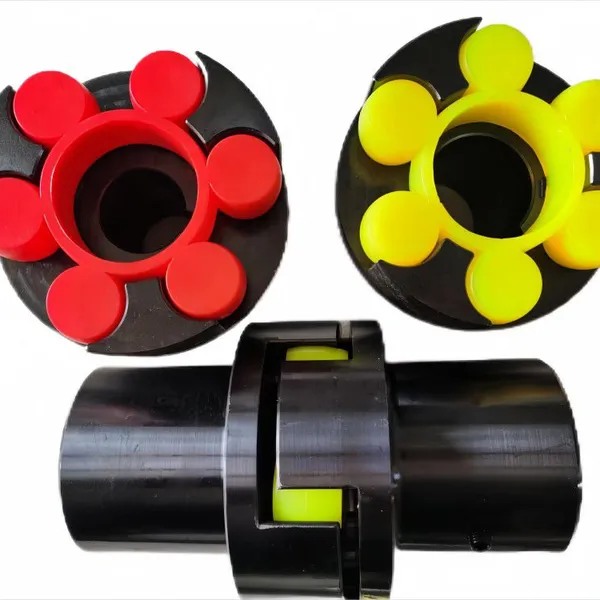
Compare the alternatives. Elastomer couplings are cheap and quiet, but heat and overload chew through the element, which is exactly what Rafael kept discovering on the shredder. Diaphragm couplings are precise and need no lubrication, but at rolling-mill torque levels they get large and expensive, and they forgive less misalignment. Cardan shafts handle big angles over long spans, yet they introduce speed fluctuation and need their own maintenance routine.
Few industrial coupling applications combine all three demands at once, which is why gear couplings keep showing up wherever the drive is big, the alignment is imperfect, and a stoppage costs serious money. Not sure where your drive fits? Our coupling selection guide walks through the decision, and our drum gear coupling range covers the sizes most heavy drives use.
Gear Coupling Applications in Steel and Metals
Steel plants are the classic home of gear coupling applications. A hot rolling mill couples motors and gearboxes to work rolls that see enormous torque, with bite shocks that can spike to 1.5-2 times the nominal load. Roll changes, thermal growth, and foundation movement guarantee that perfect alignment never lasts long. The coupling has to absorb all of it while transmitting full torque, shift after shift.
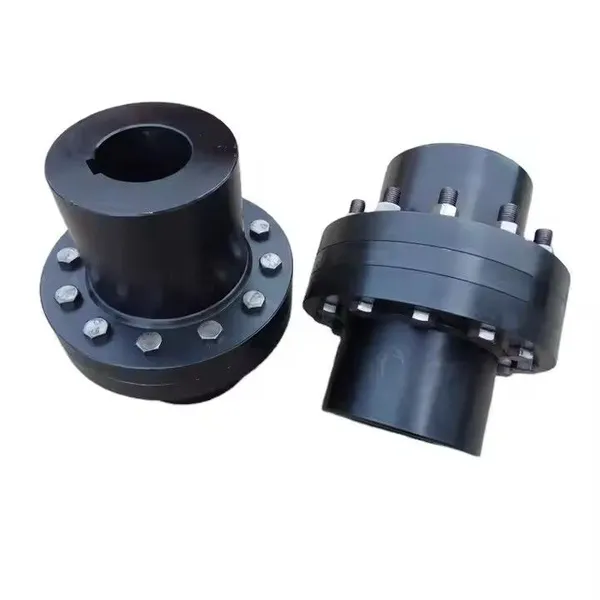
You will find gear couplings throughout steel and metallurgy plants: roughing and finishing mill drives, continuous caster drives, shears, roller tables, levelers, and downcoilers. The duty is severe enough that mills usually specify a GIICL drum gear coupling with a generous service factor, then protect it with a disciplined regreasing schedule.
A gear coupling for steel mill service earns its place because the alternative is worse. A coupling that cannot absorb roll-change misalignment passes the load into bearings and gear teeth upstream, and the mill trades a cheap wear part for an expensive one.
Mining and Cement: The Harshest Gear Coupling Applications
If steel is the classic application, mining and cement are the proving ground. Crushers, ball mills, SAG mills, rotary kilns, bucket elevators, and long overland conveyors all combine high torque with dust, heat, and shock loading. Nothing about the environment is gentle, and every drive on that list is a high torque gear coupling duty.
On a gyratory or jaw crusher, the coupling absorbs the impact of every rock that enters the chamber. On a kiln drive, it handles slow rotation, high temperature, and alignment that drifts as the shell grows and the pier bearings wear. On a mine hoist, it works through constant acceleration, deceleration, and reversing, with a safety case behind every component.
Drives like these are why heavy duty gear coupling designs exist: larger tooth sections, tougher heat treatment, and sealing that keeps abrasive dust out of the grease. Plants across mining and cement pair that hardware with short inspection intervals, because in this service gear coupling maintenance is what turns a durable coupling into a long-lived one.
Pulp, Paper, and Sugar: Process Industry Drives
Process-industry gear coupling applications run on a different rhythm: less shock, more continuity. A paper machine may run campaigns of 6,000 hours or more between major stops, with dozens of coupled sections that must hold precise speed relationships. Refiners, pumps, and vacuum systems add more drives to the same maintenance plan. Here the gear coupling's value is reliability over long, uninterrupted campaigns, plus the misalignment tolerance that older machine foundations demand.
Sugar mills sit between the two worlds. Cane preparation and milling drives see fibrous, variable loads and seasonal intensity, which brings us back to Rafael. After the third elastomer failure, his team reviewed the shredder drive with our engineers: 900 kW, low speed, high starting torque, and a foundation that moved more than anyone liked to admit.
They installed a drum gear coupling sized with margin for the starting peaks, set a quarterly regreasing interval, and added the drive to the vibration route. The coupling is now in its third crushing season with the same teeth it started with, and Rafael's team specifies gear couplings for every cane preparation drive that comes up for renewal.
Cranes, Hoists, and Material Handling
Crane and hoist drives are gear coupling applications with a twist: the coupling often carries a brake drum. Port container cranes, overhead cranes in mills and warehouses, mine hoists, and stacker-reclaimers all start, stop, and reverse under load dozens or hundreds of times per shift. The coupling sees the motor's full starting torque on every move, and the brake sees the drum on every stop.
A port equipment engineer named Kwame learned the pairing matters. His terminal kept burning through brake linings on a ship-to-shore crane, and vibration on the hoist drive kept creeping up. The teardown found a worn, out-of-round brake drum on the coupling, which was both glazing the linings and masking the coupling's own condition.
His team replaced the assembly with an NGCL gear coupling with brake drum, trued to spec, and added drum runout to the inspection checklist. Lining life roughly doubled, and the hoist vibration returned to baseline. On material handling drives, the coupling and the brake are one system, and they should be maintained that way.
Pumps, Fans, and Compressors
Not every gear coupling application is slow and brutal. Large induced-draft and forced-draft fans, boiler feed pumps, mine dewatering pumps, and process compressors often run at moderate to high speeds, where balance matters as much as torque capacity. An unbalanced coupling at 3,000 RPM turns into a vibration source that loads every bearing in the train.
For these faster gear coupling applications, specify the coupling's balance grade against standards from bodies such as ISO, and consider a spacer-type design when the driven machine needs to be pulled without disturbing the driver. Smaller pumps and fans below a few hundred kilowatts are usually better served by a flexible coupling; the gear coupling earns its keep as power and consequences climb.
Marine, Power, and Other Heavy Drives
Some gear coupling applications never appear in a catalog photo. Marine cargo winches, bow thruster drives, and deck machinery run in salt air with long idle periods. Power plants couple motors to coal mills, pumps, and fans that simply can't stop mid-load.
Test stands and tunneling machines push torque through awkward layouts. What these drives share is a low tolerance for downtime and, often, a machine that outlived its original parts list.
A shipyard engineer named Elena faced exactly that on a slipway winch. The winch was mechanically sound, but its coupling had been discontinued years earlier, and the corroded original could not survive another refit. Rather than redesign the drive, her team shipped the worn coupling to us.
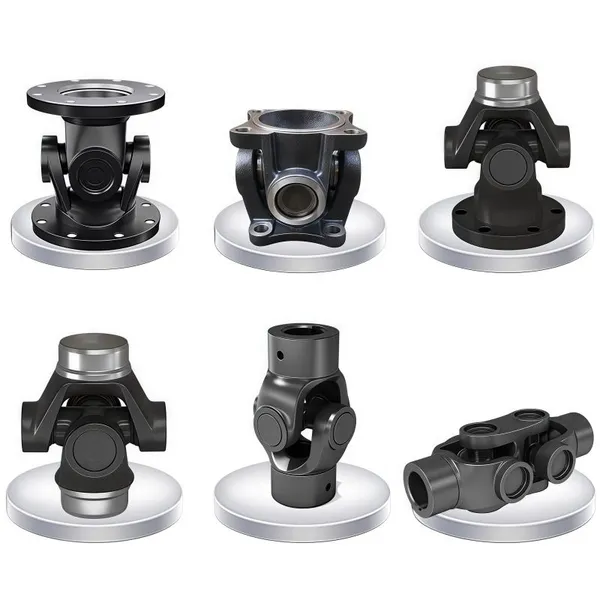
We reverse-engineered the dimensions, upgraded the material and surface protection for the marine atmosphere, and delivered a drop-in replacement through our custom coupling manufacturing process. The winch went back into service on the original alignment shims, and Elena now sends us one legacy coupling per refit cycle. Where shaft runs get long or angles get large, the same plants pair these couplings with cardan shafts for the spans a gear coupling cannot bridge.
Matching the Coupling to Common Gear Coupling Applications
Across all of these industries, the selection logic stays consistent: define the duty honestly, then match the series. Service factor guidance from organizations such as AGMA gives you a starting point, and the table below summarizes how common drum gear coupling applications typically map out.
| Industry | Typical machines | Duty demands | Coupling approach |
|---|---|---|---|
| Steel and metals | Rolling mills, casters, shears | Bite shock, roll-change misalignment | Heavy GIICL sizes, generous service factor |
| Mining and cement | Crushers, mills, kilns, hoists | Dust, heat, severe shock | Heavy duty GIICL, short maintenance intervals |
| Paper and sugar | Machine sections, cane mills | Continuous duty, seasonal peaks | Standard GIICL, campaign-length reliability |
| Cranes and hoists | Winches, travel drives | Reversing, frequent braking | NGCL with brake drum |
| Pumps, fans, compressors | ID fans, feed pumps | Higher speed, long runs | Balanced or spacer-type coupling |
| Marine and power | Winches, mill drives | Corrosion, legacy machines | Custom or reverse-engineered replacement |
Two cautions apply to any use of this table. First, treat it as a map, not a spec sheet: the actual coupling size comes from your torque, speed, and service factor calculation, which our selection guide for heavy machinery explains step by step. Second, if your drive mixes conditions, like a crane in a cement plant, size for the harshest condition, not the average one.
When Gear Coupling Applications Need a Custom Design
Catalog couplings cover most drives, but some gear coupling applications only work with a custom design. The usual triggers are:
Legacy machines whose original couplings are discontinued
Non-standard bore diameters or keyway sizes
Unusual spacer lengths between shaft ends
Torque or speed beyond the catalog range
Environments that demand special materials or coatings
The path is straightforward: send a drawing or a worn sample, and the manufacturer reverse-engineers or upgrades the part. Our full-process quality control documents material, hardness, and dimensions for every custom build, so your quality system gets the paperwork it needs. Have a coupling nobody catalogs anymore? Send us your drawing or sample and our engineers will confirm manufacturability before quoting.
Frequently Asked Questions
What are the most common gear coupling applications?
Steel rolling mills, mining crushers and mills, cement kilns, cranes and hoists, paper machines, sugar mills, large pumps and fans, marine winches, and power plant drives. They share high torque, real misalignment, and costly downtime.
Why are gear couplings used in steel mills?
Because mill drives combine enormous torque with shock loads and constant misalignment from roll changes and thermal growth. A gear coupling absorbs all three while staying compact, which no elastomer coupling can match at that scale.
Can a gear coupling run at high speed?
Yes, with the right balance grade. For higher-speed pump, fan, and compressor drives, specify dynamic balancing and consider a spacer design. Above roughly 3,000 RPM, balance quality becomes as important as torque capacity.
Which coupling series fits crane and hoist applications?
NGCL gear couplings, because they integrate a brake drum with the coupling. Hoist and travel drives brake constantly, so the drum's condition and runout belong on the same inspection checklist as the teeth.
Do gear coupling applications always require lubrication?
Yes. The crowned teeth slide microscopically under load, and only lubricant keeps that sliding from becoming galling. Every gear coupling needs a regreasing interval matched to its duty, whatever the industry.
When should I consider a custom gear coupling?
When the original part is discontinued, the bores or spacing are non-standard, or the environment demands special materials. A manufacturer with reverse-engineering capability can reproduce or upgrade the coupling from a drawing or a worn sample.
Conclusion
Gear coupling applications look different on the surface, from a rolling mill's bite shock to a paper machine's quiet continuity, but the underlying logic never changes. High torque, imperfect alignment, and expensive downtime point to a gear coupling, and the duty severity points to the series: GIICL for general heavy drives, NGCL where a brake drum belongs, heavy duty designs for the harshest service, and custom builds where catalogs stop.
Rafael's shredder is now three seasons past its last unplanned coupling stop, and his mill's experience generalizes well: match the coupling to the drive's real demands, maintain it on the interval the duty requires, and the coupling will outlast most of the machine around it. At Hebei Suju, we manufacture GIICL, NGCL, and custom industrial couplings for exactly these applications, and we support MRO teams with reverse-engineered replacements when the original parts are gone.
Recently Posted
-
Jaw Coupling Spider Replacement: A Step-by-Step Maintenance Guide
July 28, 2026A maintenance technician at a packaging plant in Brazil noticed vibration on a motor-pump set during his morning rounds. The motor Read More
 -
Flexible Coupling for Motor Pump Sets: A Selection Guide
July 28, 2026A maintenance manager at a water treatment plant in Southeast Asia called us after replacing motor pump couplings three times in 1 Read More
 -
Flexible Shaft Coupling: Selection Guide for Industrial Drives
July 28, 2026When two rotating shafts are connected directly, even a small amount of misalignment can generate vibration, bearing load, and pre Read More
 -
Elastic Coupling: Vibration Control for Industrial Drives
July 28, 2026When a motor-pump set starts vibrating above acceptable limits, the first checks usually fall on bearing wear, impeller balance, o Read More

Contact Us

Recommended Products
-
 OEM Customizable Cardan Shaft Coupling Flexible Rigid Steel for Air Compressor Propeller Universal Construction Printing ShopsNegotiableMOQ: 2 Pieces
 -
Kc Coulpling Roller Chain Coupling Set With Chain and Sprocket for General MachineryNegotiableMOQ: 1 Piece
-
High Transmission Efficiency Drum Gear Coupling Easy Installation Gear Coupler For Heavy MachineryNegotiableMOQ: 10 Pieces
-
High-Torque Roller Chain Coupling Durable Steel Aluminium Construction Customizable Precision Engineering OEM Shaft CouplingsNegotiableMOQ: 2 Pieces
-
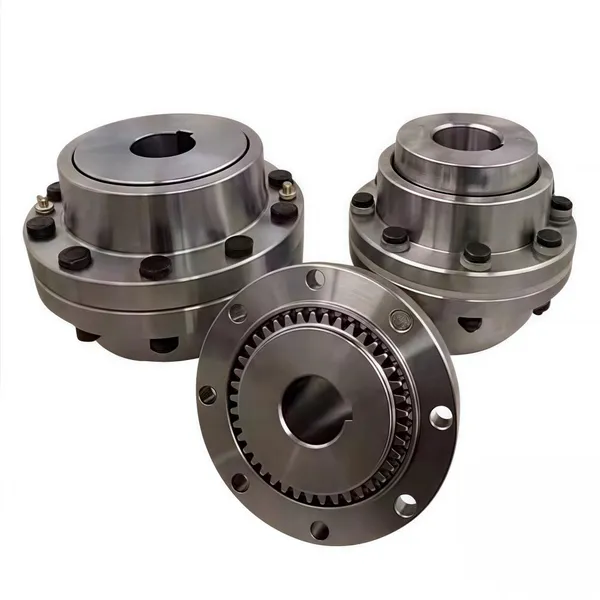
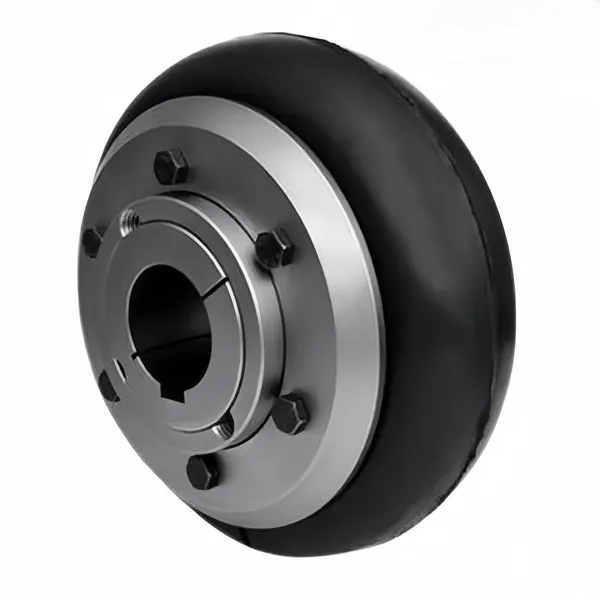
Customizable Rigid Iron Steel Aluminium Rubber Tyre Coupling OEM Support for Pumps Industrial Equipment Construction IndustriesNegotiableMOQ: 10 Pieces
-
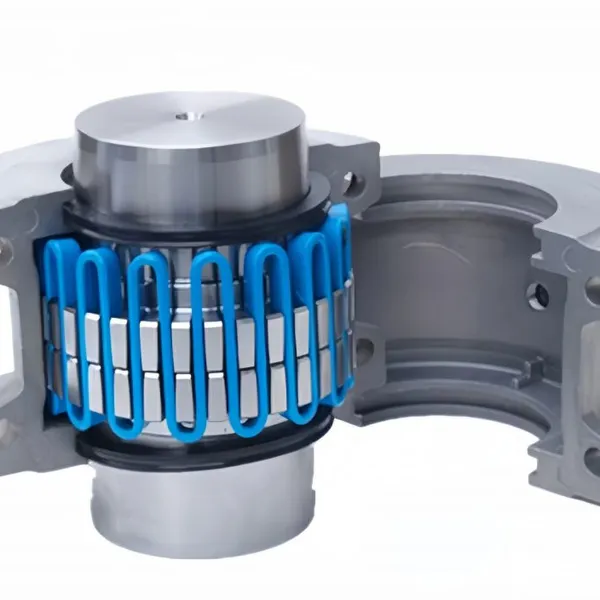
Jsb Flexible Grid Coupling With Metallic Elastic Element Factory Direct Spider Snake Spring CouplingNegotiableMOQ: 10 Pieces
-
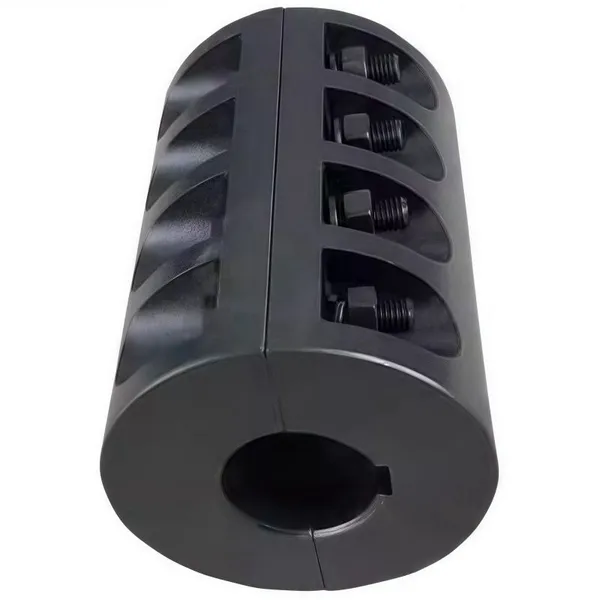
High Torque JQ/JQW Type Clamp Coupling for Motor & Gearbox 45 Steel Jacketed Iron Disc Structure Flexible Rigid OEM SupportedNegotiableMOQ: 2 Pieces
-
SWC Series Flange Universal Joint Coupling Hardened Cross Shaft Heavy Duty TransmissionNegotiableMOQ: 1 Piece
-
Heavy Duty Universal Coupling High Quality Universal Shaft for Machinery and EquipmentNegotiableMOQ: 1 Piece
-
OEM Customized Precision Cast Iron Zinc Aluminum Die Castings New Hydraulic Parts Fittings 1 Year WarrantyNegotiableMOQ: 100 Pieces
-
Yl Series Rigid Flange Coupling Power Transmission PartsNegotiableMOQ: 2 Pieces
-
Flange Coupling for Water Pump and Compressor Applications With Rubber Gasket SealNegotiableMOQ: 2 Pieces
-
Heavy-Duty Telescopic Welding Cardan Shaft for Universal UseNegotiableMOQ: 1 Piece
-
Flexible Universal Shaft Flange Coupling for Marine and Industrial Drive SystemsNegotiableMOQ: 10 Pieces
-
Durable Expansion Sleeve, Locking Assembly & Taper Lock Bushing for Robotic Arm JointsNegotiableMOQ: 1 Piece
-
High Quality Yl Type Rigid Flange Coupling Mechanical Transmission CouplingNegotiableMOQ: 2 Pieces
-
Stainless Steel Flexible Universal Joint Coupling for Motor Flange Gear Pump and Spline ShaftNegotiableMOQ: 1 Piece
-
Compact Drum Gear Coupling for Heavy Industrial Transmission High Torque CapacityNegotiableMOQ: 10 Pieces
-
Standard or Customized Jaw Beam (Helical) Flexible Coupling for General MachineryNegotiableMOQ: 10 Pieces
-
TL Series Elastic Pin Coupling Easy Replace Rubber Bush Coupling With Shaft Misalignment CompensationNegotiableMOQ: 10 Pieces