
 Business License
Diaphragm Coupling: A High-Speed, Zero-Backlash Solution
A single degree of angular misalignment at 10,000 RPM can destroy a precision drive in months. For high-speed compressors, turbines, and test rigs, the coupling between shafts is not just a connector. It is the component that determines vibration, positioning accuracy, and bearing life.
This guide explains everything you need to know about the diaphragm coupling. You'll learn how this high speed coupling works, which types suit different applications, and how to select one for torque, speed, and misalignment. Whether you're specifying new equipment or replacing a failed coupling, this guide will help you choose a reliable zero backlash coupling for your precision machinery.
At Hebei Suju, we supply diaphragm couplings for precision drives, turbo machinery, and high-speed pump sets. Our engineering team can also manufacture custom designs from your drawing or sample.
What Is a Diaphragm Coupling?
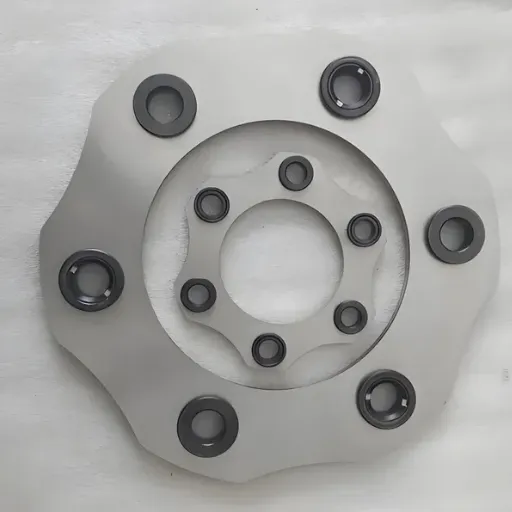
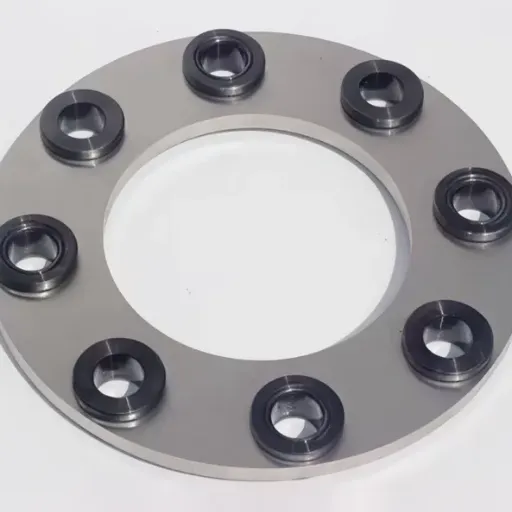
A diaphragm coupling is a flexible shaft coupling that uses thin metal discs, or diaphragms, to transmit torque between two shafts. The discs are typically made from stainless steel or high-strength alloy steel. They're arranged in a pack that flexes to accommodate misalignment while staying torsionally stiff.
Unlike elastomeric flexible couplings, a diaphragm coupling contains no rubber or plastic element. This makes it ideal for high temperatures, high speeds, and environments where contamination or chemical exposure would degrade organic materials. It also provides zero backlash, which is critical for servo systems, precision gearboxes, and measuring equipment.
The diaphragm coupling belongs to the family of flexible coupling types. It's often compared with gear couplings and disc couplings because all three handle misalignment in metal-to-metal designs. However, this design stands out because it operates without lubrication and needs very little maintenance.
How Diaphragm Couplings Work
Torque enters the coupling through a hub attached to the driving shaft. The hub connects to a flexible diaphragm pack, which transfers torque to the driven hub. The thin metal discs deform slightly under load, allowing the coupling to absorb angular, axial, and limited radial misalignment.
The diaphragm pack is the heart of the design. Each disc is shaped with radial slots or convolutions that control flexibility and stress distribution. When the shafts move relative to each other, the discs bend in a controlled way. The material stays within its elastic limit, so the coupling returns to its original shape and continues transmitting torque smoothly.
Because there are no wearing parts and no lubricant, this type of coupling can run for years with minimal attention. The metal discs don't fatigue quickly if the unit is correctly sized and the misalignment stays within rated limits. This reliability is why these couplings are preferred in critical turbo machinery and continuous-process equipment.
Key advantages of a diaphragm coupling include:
Zero backlash for precision drives
No lubrication required
High-speed capability with proper balance
Wide temperature range
Long service life with correct alignment
Resistance to chemicals and contamination
Pro Tip: Always check the coupling's rated misalignment at the actual operating speed. Allowable values are often specified at low speed and reduce at higher RPM due to dynamic effects.
Types of Diaphragm Couplings
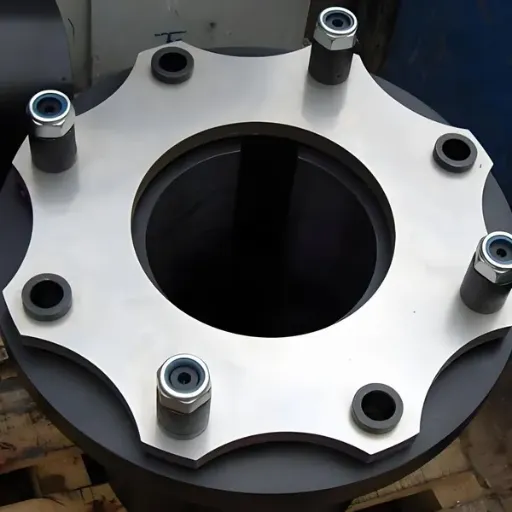
Manufacturers offer several designs to match different installation, speed, and misalignment requirements. The most common types are single diaphragm, double diaphragm, and spacer couplings.
Single Diaphragm Coupling
A single diaphragm coupling uses one flexible disc pack located between the two hubs. It is compact, lightweight, and economical. However, it can only accommodate limited misalignment, mainly axial and angular.
This design works best when shafts are already well aligned and space is tight. It is common in small pumps, fans, servo drives, and test equipment where precision matters more than large misalignment capacity.
Double Diaphragm Coupling
A double diaphragm coupling uses two flexible disc packs separated by a spacer or center member. The two diaphragm packs work together to absorb angular, axial, and radial misalignment more effectively than a single diaphragm design.
This is the most widely used type in industrial turbo machinery. The double diaphragm design also allows the coupling to be removed without moving the connected machines, which simplifies maintenance.
Spacer Diaphragm Coupling
Spacer diaphragm couplings extend the double diaphragm concept with a longer center spacer. The added length increases the coupling's ability to handle parallel offset and makes it easier to service equipment with long shafts or large bearings.
Spacer designs are common in large compressors, gas turbines, and generator sets. The spacer can be tubular or solid, depending on torque, speed, and balance requirements.
Custom Diaphragm Couplings
Standard catalog designs don't always match the shaft spacing, bore size, or torque requirements of specialized equipment. In these cases, a custom coupling manufactured to drawing is the better choice.
At Hebei Suju, we produce custom diaphragm couplings for OEM prototypes, retrofits, and replacement of legacy parts. Send us your drawing or worn sample, and we'll review manufacturability and recommend materials.
Coupling Materials
The material of the diaphragm pack determines temperature resistance, fatigue life, and corrosion resistance. Most industrial units use stainless steel or high-strength alloy steel because these materials combine strength with flexibility.
Stainless steel is the most common choice. It resists corrosion, handles a wide temperature range, and offers good fatigue resistance. AISI 301 and 304 stainless steels are widely used for diaphragm packs in pumps, compressors, and general industrial equipment.
High-strength alloy steel such as 17-4 PH or maraging steel is used when higher torque or thinner discs are needed. These materials allow the designer to reduce disc thickness while maintaining strength, which improves flexibility and reduces reaction loads on bearings.
Special alloys such as Inconel or titanium are selected for extreme temperatures, corrosive environments, or aerospace applications. These materials cost more, but they solve problems that standard steels cannot.
At Hebei Suju, we select diaphragm materials based on the application data you provide. Our quality control process verifies material certificates, hardness, and dimensional accuracy before shipment.
Diaphragm Coupling Selection: 5 Key Criteria
Diaphragm coupling selection requires more than matching a catalog part number. Engineers should evaluate torque, speed, misalignment, environment, and balance as a system. Getting one factor wrong can shorten service life or cause premature failure.
1. Rated Torque and Peak Torque
The coupling must handle the maximum continuous torque of the drive plus any overloads from starting, braking, or process upsets. Calculate nominal torque from motor power and speed, then apply an appropriate service factor.
For example, a 200 kW motor running at 3,000 RPM produces roughly 637 N·m of nominal torque. With a service factor of 1.5, the coupling should be rated for at least 955 N·m continuous torque. Peak torque events such as short circuits or compressor surge may require a higher rating.
2. Operating Speed
Diaphragm couplings excel at high speed. Many designs operate reliably at speeds above 10,000 RPM, and precision-balanced units can exceed 30,000 RPM. At these speeds, balance grade becomes critical. Specify dynamic balancing to ISO 1940 or AGMA 9000-C14 requirements.
A European compressor OEM specified a standard flexible coupling for a 12,000 RPM hydrogen recycle compressor. Within six months, the machine developed high vibration and the bearings showed early wear. The root cause was insufficient torsional stiffness and balance for the speed range. After switching to a diaphragm coupling with precision dynamic balance, vibration dropped by 40% and bearing life returned to expected levels.
3. Shaft Misalignment
Measure or estimate the expected angular, axial, and radial misalignment in service. Remember that thermal growth, pipe strain, and foundation settlement change alignment over time. Select a diaphragm coupling whose rated misalignment exceeds the expected values by a comfortable margin.
Operating too close to the rated limit increases cyclic stress in the diaphragm pack and shortens fatigue life. A good rule is to keep actual misalignment below 50% of the manufacturer's rated value when possible. This margin pays off in longer service life and fewer inspections.
4. Operating Environment
Diaphragm couplings tolerate harsh environments better than elastomeric couplings. Consider:
Temperature: Stainless steel diaphragms handle temperatures from cryogenic ranges to over 400 °C, depending on material.
Corrosion: Chemical plants and offshore platforms may require special alloys or coatings.
Contamination: Because there is no lubricant, dirt and moisture have less effect than on gear couplings.
Safety: Some applications require containment features to prevent disc fracture debris from escaping.
5. Torsional Stiffness and Backlash
One of the main reasons to choose a diaphragm coupling is its high torsional stiffness and zero backlash. This makes it suitable for servo drives, positioning systems, and precision machinery where rotational accuracy matters.
If your application involves frequent reversing or indexing, confirm that the coupling has no measurable backlash. Some stamped or low-cost designs may have small clearances in the hub-to-disc connections that affect positioning accuracy.
Common Applications
These couplings appear wherever speed, precision, and reliability are priorities. Here are the most common applications Hebei Suju supplies.
Turbo Compressors and Blowers
High-speed centrifugal and axial compressors use these couplings between motors, gearboxes, and compressor stages. The coupling must transmit torque smoothly without introducing vibration or lubrication risk into the process.
Gas and Steam Turbines
Turbine-driven generators and pumps operate at high speed and high temperature. These couplings handle these conditions while providing the balance and reliability that power generation requires.
High-Speed Pumps
API 610 and API 671 pump systems often specify diaphragm couplings for critical services. The zero-maintenance metal design eliminates the risk of lubricant leaking into the process stream.
Test Stands and Dynamometers
Engine and transmission test stands require precise torque measurement and speed control. The zero backlash of a diaphragm coupling ensures that sensors measure true shaft torque without hysteresis.
Machine Tools and Servo Drives
CNC machines, robots, and automation equipment use these couplings to connect servo motors to ball screws or gearboxes. The high torsional stiffness preserves positioning accuracy during rapid reversals.
At Hebei Suju, our quality control process ensures every unit is dimensionally inspected and balanced to the grade required by the application.
Diaphragm vs Gear Coupling
Engineers often compare diaphragm couplings with gear couplings because both handle misalignment and high torque. The right choice depends on speed, maintenance, precision, and environment.
| Factor | Diaphragm Coupling | Gear Coupling |
|---|---|---|
| Misalignment capacity | Low to medium | Medium to high |
| Speed capability | Very high | High (balance required) |
| Backlash | Zero | Very low to zero |
| Lubrication | None required | Required |
| Maintenance | Minimal | Regular lubrication |
| Temperature range | Very wide | Wide (lubricant limited) |
| Best for | High speed, precision | Heavy torque, shock loads |
If your priority is high-speed precision with minimal maintenance, this design is usually the better choice. If your application involves very high torque, large misalignment, or severe shock loads, a drum gear coupling may be more appropriate.
An automotive test cell engineer named Li Wei needed to connect a 250 kW electric motor to a high-speed gearbox for durability testing. The original gear coupling required monthly lubrication and produced small torsional oscillations that affected measurement accuracy. After replacing it with a double diaphragm coupling, the test cell eliminated lubrication stops and improved torque signal repeatability by 15%.
Installation and Maintenance
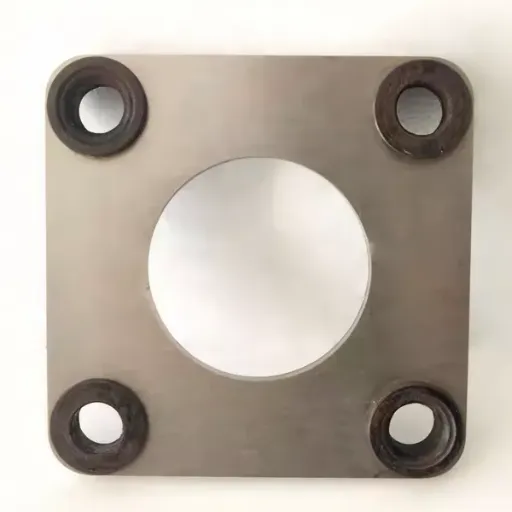
Proper installation extends coupling life and protects connected equipment. Follow these guidelines.
Align Shafts Carefully
Diaphragm couplings tolerate less misalignment than gear or tyre couplings. Use dial indicators or laser alignment tools to verify angular and radial alignment before startup. Check alignment after the machine reaches operating temperature, since thermal growth changes shaft positions.
Torque Bolts Correctly
Diaphragm coupling bolts are usually high-strength fasteners with precise torque specifications. Uneven tightening creates hub runout and imbalance. Use a calibrated torque wrench and follow the manufacturer's tightening sequence.
Avoid Overhung Loads
Do not use the coupling as a structural support. Overhung or axial loads from the connected machine should be supported by bearings, not transmitted through the diaphragm pack. If your setup creates side loads, add support bearings before the coupling is installed.
Inspect During Planned Shutdowns
Although diaphragm couplings require little maintenance, periodic inspection is still valuable. Check for visible cracks, loose bolts, signs of rubbing, or changes in vibration and temperature. Catching problems early prevents unexpected downtime and protects your connected equipment.
If any disc shows cracking, replace the entire diaphragm pack. Individual discs shouldn't be replaced separately because the pack is balanced as an assembly.
When to Choose a Custom Design
Catalog couplings cover many applications, but custom designs are often needed for specialized equipment. Consider a custom diaphragm coupling when:
The shaft bores or keyways are non-standard.
The spacer length does not match catalog dimensions.
The speed or torque falls outside standard ranges.
The environment requires special materials such as Inconel or titanium.
You need to replace a legacy coupling that is no longer available.
At Hebei Suju, we specialize in drawing-based customization. Send us your drawing or sample, and our engineers will review the design, select appropriate materials, and provide a quotation.
A petrochemical plant in the Middle East needed to replace a diaphragm coupling on a critical ethylene compressor. The original manufacturer had discontinued the model, and the shaft spacing was unique. Hebei Suju reverse-engineered the coupling from a worn sample, produced a custom stainless steel diaphragm pack, and delivered the replacement within the plant's scheduled turnaround window.
Signs of Failure
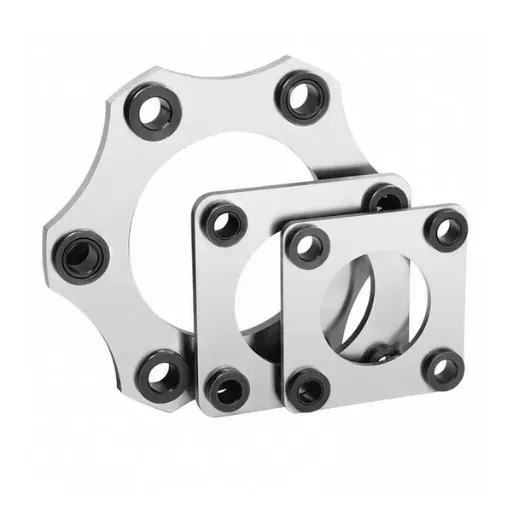
These couplings are reliable, but they can fail if they are misapplied or operated beyond their limits. Recognizing early warning signs prevents secondary damage to motors, gearboxes, and driven equipment.
Increased vibration is often the first sign of trouble. If vibration levels rise gradually, check alignment, bolt torque, and diaphragm pack condition. A cracked disc changes the stiffness of the coupling and creates unbalance.
Unusual noise such as clicking or rattling may indicate loose bolts or disc-to-hub contact. Stop the machine and inspect the coupling before the damage spreads.
Temperature rise in the coupling area can signal misalignment or rubbing. Diaphragm couplings run close to ambient temperature when aligned correctly. A hot coupling is a warning that something has changed.
Visible cracks in the diaphragm pack mean the coupling should be replaced immediately. Do not wait for complete failure. A fractured disc can damage nearby components and create a safety hazard.
Regular monitoring and planned inspections will catch these issues early. If you're unsure about the condition of your coupling, contact a qualified technician or the manufacturer for guidance.
Conclusion
A diaphragm coupling is one of the best choices for high-speed, precision, and zero-backlash power transmission. Its metal disc design handles misalignment without lubrication, operates across wide temperature ranges, and delivers long service life when properly sized and aligned.
Key takeaways:
Diaphragm couplings use thin metal discs to transmit torque and absorb misalignment.
They provide zero backlash, making them ideal for servo and precision drives.
Double diaphragm and spacer designs offer greater misalignment capacity than single diaphragm types.
High-speed applications require precision balancing and careful alignment.
Custom diaphragm couplings solve non-standard bore, spacing, and material requirements.
At Hebei Suju, we help engineers select and manufacture these components for compressors, turbines, pumps, test stands, and precision machinery. Explore our flexible coupling range for your next project.
Recently Posted
-
Jaw Coupling Spider Replacement: A Step-by-Step Maintenance Guide
July 28, 2026A maintenance technician at a packaging plant in Brazil noticed vibration on a motor-pump set during his morning rounds. The motor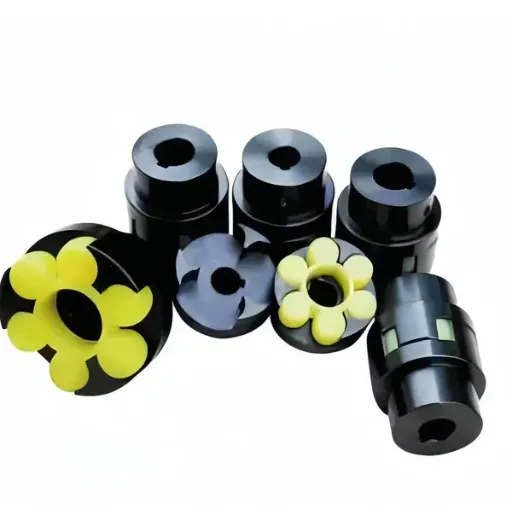 Read More
 -
Flexible Coupling for Motor Pump Sets: A Selection Guide
July 28, 2026A maintenance manager at a water treatment plant in Southeast Asia called us after replacing motor pump couplings three times in 1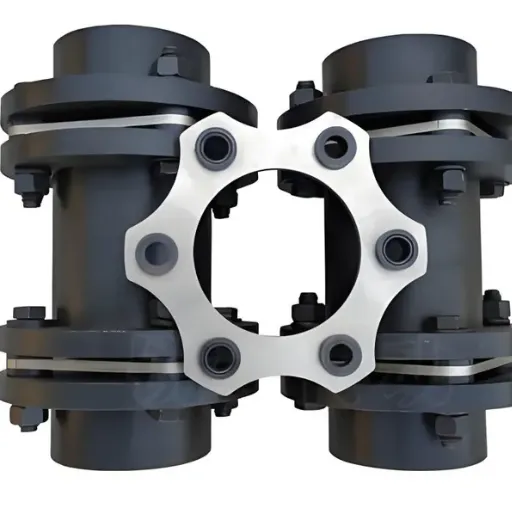 Read More
 -
Flexible Shaft Coupling: Selection Guide for Industrial Drives
July 28, 2026When two rotating shafts are connected directly, even a small amount of misalignment can generate vibration, bearing load, and pre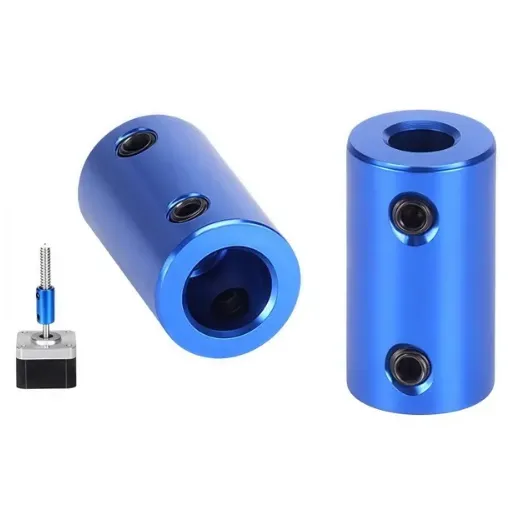 Read More
 -
Elastic Coupling: Vibration Control for Industrial Drives
July 28, 2026When a motor-pump set starts vibrating above acceptable limits, the first checks usually fall on bearing wear, impeller balance, o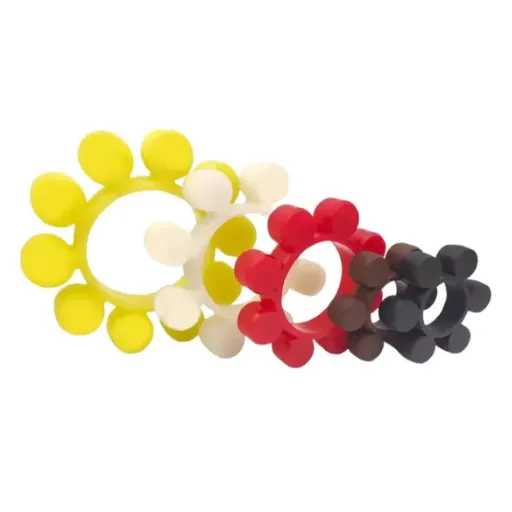 Read More

Contact Us

Recommended Products
-
 OEM Customizable Cardan Shaft Coupling Flexible Rigid Steel for Air Compressor Propeller Universal Construction Printing ShopsNegotiableMOQ: 2 Pieces
 -
Kc Coulpling Roller Chain Coupling Set With Chain and Sprocket for General MachineryNegotiableMOQ: 1 Piece
-
High Transmission Efficiency Drum Gear Coupling Easy Installation Gear Coupler For Heavy MachineryNegotiableMOQ: 10 Pieces
-
High-Torque Roller Chain Coupling Durable Steel Aluminium Construction Customizable Precision Engineering OEM Shaft CouplingsNegotiableMOQ: 2 Pieces
-
Customizable Rigid Iron Steel Aluminium Rubber Tyre Coupling OEM Support for Pumps Industrial Equipment Construction IndustriesNegotiableMOQ: 10 Pieces
-
Jsb Flexible Grid Coupling With Metallic Elastic Element Factory Direct Spider Snake Spring CouplingNegotiableMOQ: 10 Pieces
-
High Torque JQ/JQW Type Clamp Coupling for Motor & Gearbox 45 Steel Jacketed Iron Disc Structure Flexible Rigid OEM SupportedNegotiableMOQ: 2 Pieces
-
SWC Series Flange Universal Joint Coupling Hardened Cross Shaft Heavy Duty TransmissionNegotiableMOQ: 1 Piece
-
Heavy Duty Universal Coupling High Quality Universal Shaft for Machinery and EquipmentNegotiableMOQ: 1 Piece
-
OEM Customized Precision Cast Iron Zinc Aluminum Die Castings New Hydraulic Parts Fittings 1 Year WarrantyNegotiableMOQ: 100 Pieces
-
Yl Series Rigid Flange Coupling Power Transmission PartsNegotiableMOQ: 2 Pieces
-
Flange Coupling for Water Pump and Compressor Applications With Rubber Gasket SealNegotiableMOQ: 2 Pieces
-
Heavy-Duty Telescopic Welding Cardan Shaft for Universal UseNegotiableMOQ: 1 Piece
-
Flexible Universal Shaft Flange Coupling for Marine and Industrial Drive SystemsNegotiableMOQ: 10 Pieces
-
Durable Expansion Sleeve, Locking Assembly & Taper Lock Bushing for Robotic Arm JointsNegotiableMOQ: 1 Piece
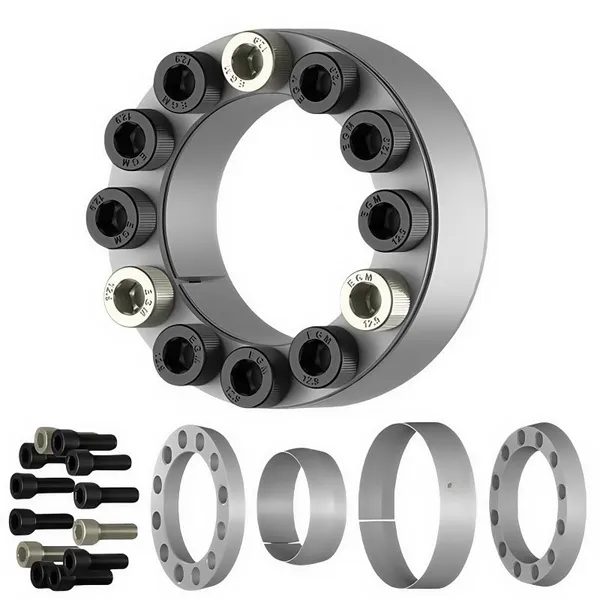
-
High Quality Yl Type Rigid Flange Coupling Mechanical Transmission CouplingNegotiableMOQ: 2 Pieces
-
Stainless Steel Flexible Universal Joint Coupling for Motor Flange Gear Pump and Spline ShaftNegotiableMOQ: 1 Piece
-
Compact Drum Gear Coupling for Heavy Industrial Transmission High Torque CapacityNegotiableMOQ: 10 Pieces
-
Standard or Customized Jaw Beam (Helical) Flexible Coupling for General MachineryNegotiableMOQ: 10 Pieces
-
TL Series Elastic Pin Coupling Easy Replace Rubber Bush Coupling With Shaft Misalignment CompensationNegotiableMOQ: 10 Pieces