
 Business License
Industrial Couplings: Types, Selection & Uses
At 2:00 a.m. on a Tuesday, the main conveyor drive at a cement plant outside Jakarta began shaking. Within twenty minutes, the maintenance team found the culprit: a misaligned coupling between the motor and gearbox had sheared its elastomer insert. The plant lost six hours of production because the replacement coupling on hand was the wrong size.
Stories like this are more common than most plant managers admit. The right industrial couplings keep motors, pumps, compressors, and conveyors running. The wrong ones create vibration, wear, and downtime that ripple through an entire operation. You already know that matching an industrial coupling to the application matters. This guide will show you exactly how to do it.
You will learn what industrial couplings do, the main types used in heavy and light machinery, how to select the right one, and when a custom design is the smarter choice. By the end, you will be able to specify a coupling with confidence, or ask your supplier the right questions.
What Industrial Couplings Actually Do
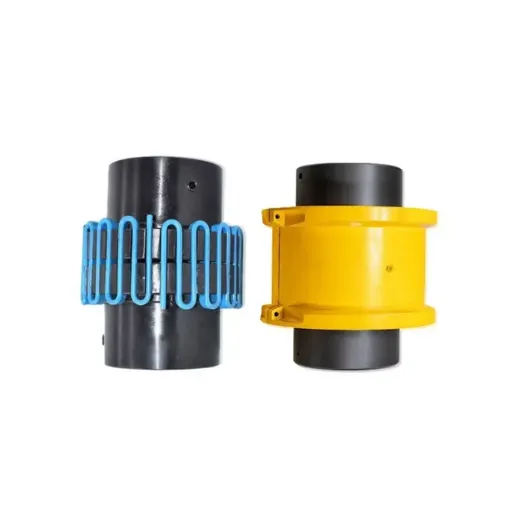
An industrial coupling connects two rotating shafts so torque can pass from a driver (usually a motor or engine) to a driven machine (a pump, gearbox, compressor, or conveyor). It sounds simple, but a coupling also has to handle real-world imperfections.
Shafts are rarely perfectly aligned. Thermal expansion moves machinery. Foundations settle. Bearings wear. A coupling must transmit torque while tolerating some combination of angular, radial, and axial misalignment.
It may also need to dampen vibration, absorb shock loads, or allow quick maintenance access.
The consequences of choosing poorly are expensive. Vibration travels into bearings and gears. Misalignment overloads shafts. Shock loads crack castings.
In severe cases, a failed coupling can destroy the machines it connects.
At Hebei Suju, we manufacture a complete range of industrial couplings for machinery manufacturing, metallurgy, mining, cement, chemical, and automation applications. Our engineering team regularly reviews customer drawings.
We make sure the coupling fits the duty, not just the catalog number.
The Main Types of Industrial Couplings
Not every application needs the same kind of flexibility. Industrial couplings fall into two broad groups: flexible couplings and rigid couplings. Within the flexible group, the design of the elastic or movable element determines where each type works best.
Flexible Couplings
Flexible couplings compensate for misalignment and dampen vibration. They are the right choice when shafts cannot be held in perfect alignment or when the drive produces shocks and vibrations.
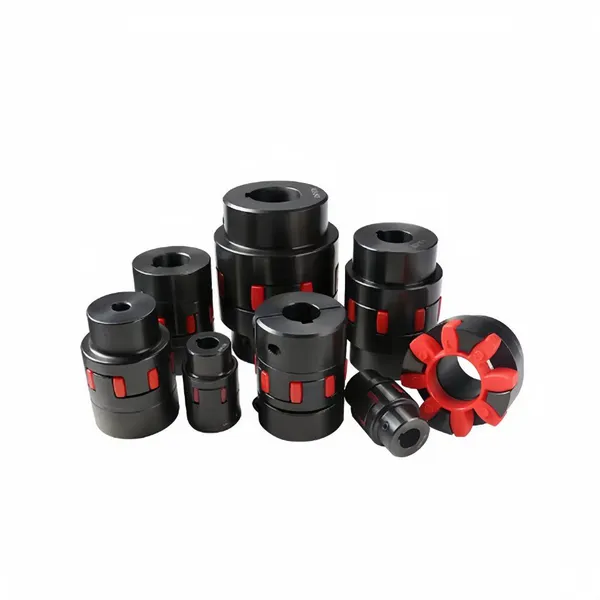
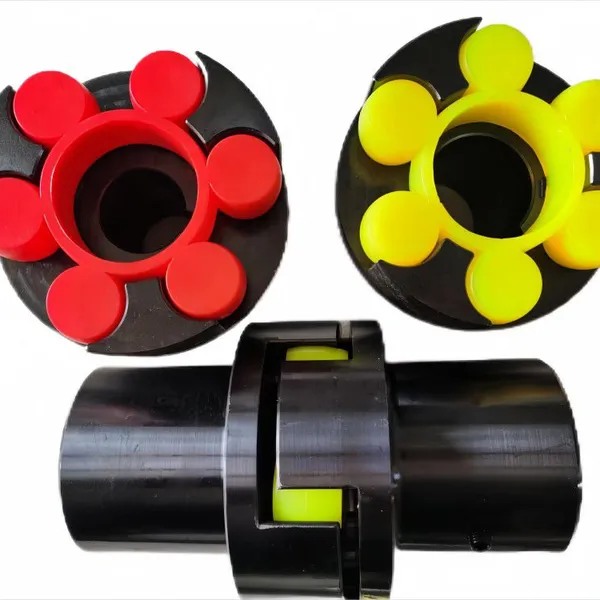
Jaw couplings, sometimes called spider couplings, use two hubs with interlocking jaws and a polyurethane or rubber spider between them. They are inexpensive, easy to install, and work well on motor-pump sets, fans, and compressors. The spider wears over time but is simple to replace.
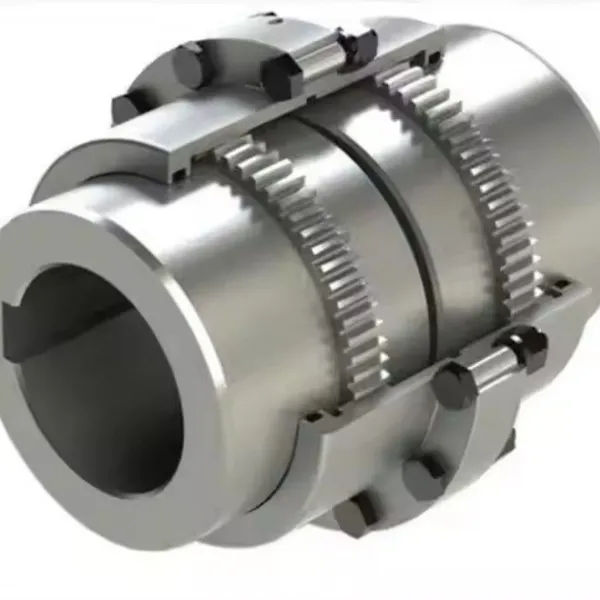
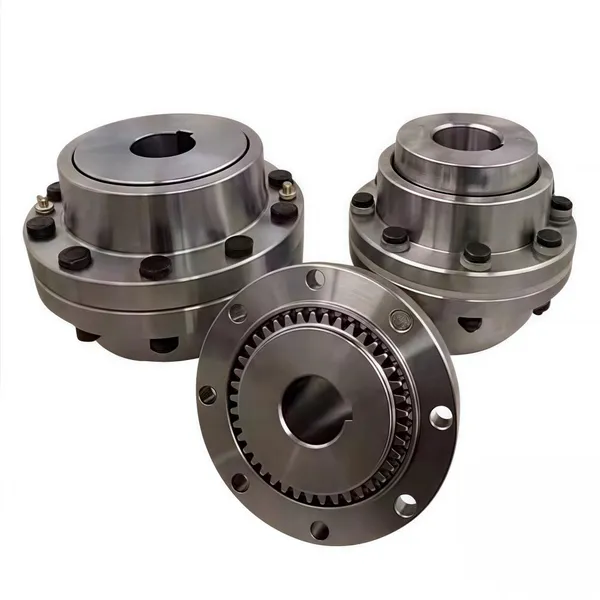
Gear couplings use crowned internal and external gear teeth to transmit high torque while allowing misalignment. They are heavier and require lubrication, but they dominate steel mills, mining crushers, cement kilns, and cranes where torque and shock loads are extreme.
Diaphragm couplings use thin metal discs to transmit torque without backlash. They suit high-speed machinery, turbines, and precision positioning systems where zero backlash and long service life matter.
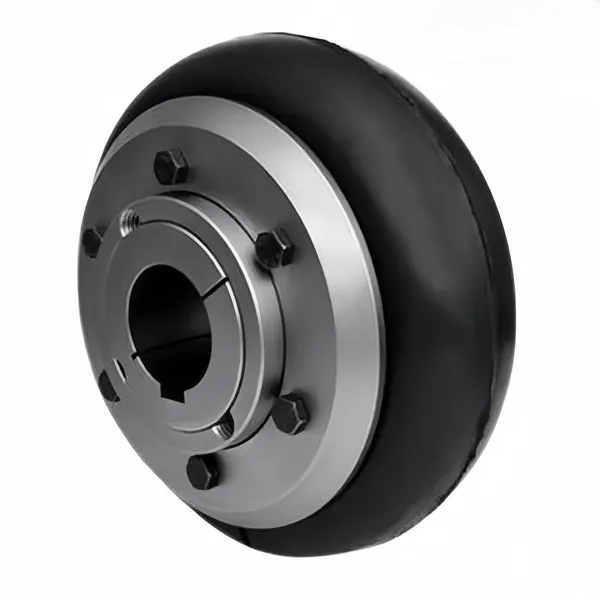
Tyre couplings wrap a rubber tyre element between two flanges. They absorb large shocks and tolerate significant misalignment, making them popular for crushers, conveyors, and reciprocating machinery.
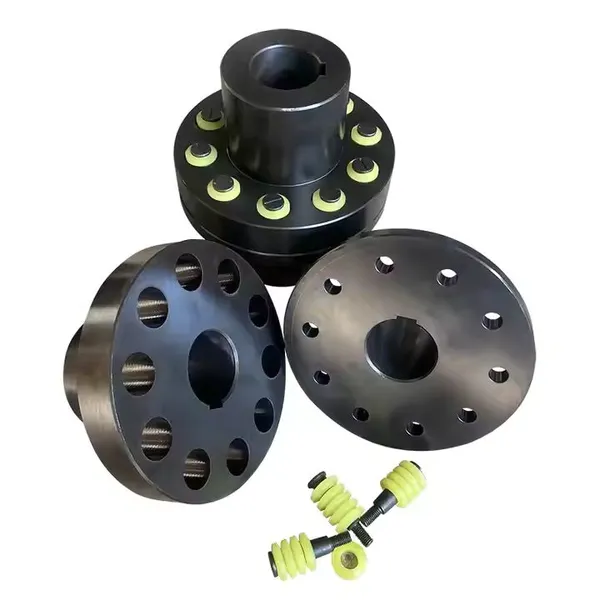
Pin and bush couplings transmit torque through rubber bushes mounted on pins. They are robust, cost-effective, and widely used in general industrial drives.
Universal joint couplings and cardan shafts allow large angular misalignment. They appear in mobile equipment, long-distance shaft drives, and steering systems.
Hebei Suju supplies flexible couplings across all these categories, with customization options for bore size, material, torque rating, and finish.
Rigid Couplings
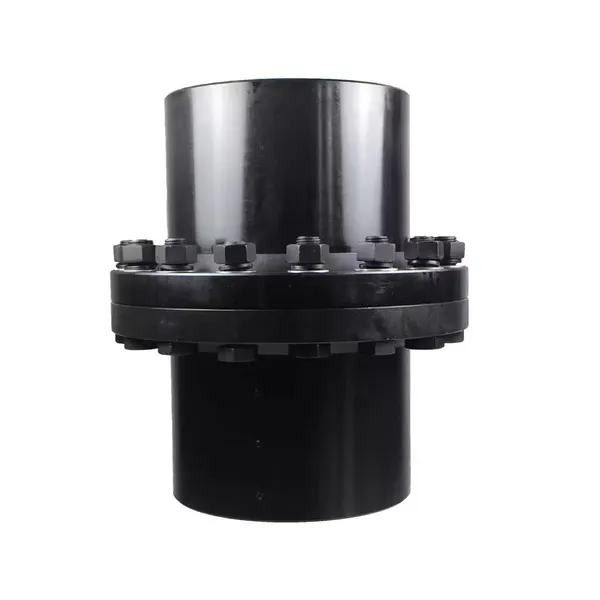
Rigid couplings connect shafts that are already in precise alignment. They do not compensate for misalignment, so they are used where shafts are short, well-supported, and carefully aligned. Flange and sleeve rigid couplings are common in machine tools, small pumps, and precision instruments.
Because any misalignment creates large shaft and bearing loads, rigid couplings are less forgiving than flexible types. They are economical and compact when the application allows them.
How to Select the Right Industrial Coupling
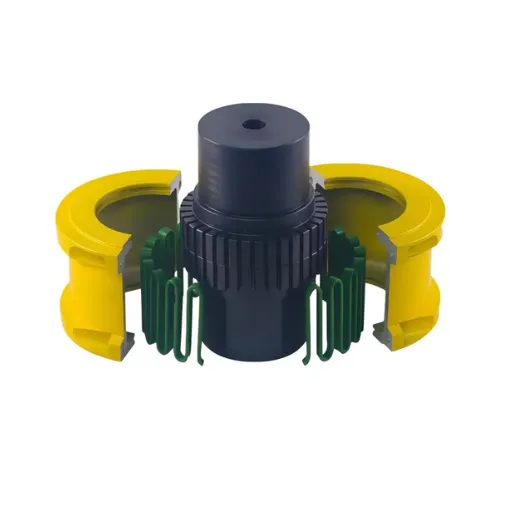
Choosing an industrial coupling is not just about matching shaft diameters. A complete industrial coupling selection process considers torque, speed, misalignment, environment, and duty cycle. Skipping any of these can lead to early failure.
Step 1: Calculate Torque Requirements
Start with the nominal torque of the drive system. You can estimate it from motor power and speed:
Nominal torque (N·m) ≈ 9550 × Power (kW) / Speed (RPM)
Then apply a service factor. The service factor accounts for shock loads, starts and stops, reversing duty, and operating hours. Light, steady loads might use a factor of 1.0 to 1.5.
Heavy shock loads, such as crushers and rolling mills, often need 2.0 to 3.0 or higher. AGMA publishes service factor guidance for gear couplings and power transmission applications.
A 200 kW motor at 980 RPM produces roughly 1,950 N·m of nominal torque. With a service factor of 2.5 for a mining crusher, the coupling should be rated for at least 4,875 N·m. Underestimating this is one of the most common causes of coupling failure.
Step 2: Check Speed and Balance
Every coupling has a maximum rated speed. Exceeding it risks centrifugal failure, vibration, and noise. High-speed applications also need dynamic balancing. Couplings running above 3,000 RPM should generally be balanced to an ISO 1940 grade appropriate for the application.
For example, a pump test stand running at 4,500 RPM cannot use an unbalanced heavy coupling. A diaphragm or precision-balanced gear coupling would be a better fit.
Step 3: Measure or Estimate Misalignment
Determine the expected angular, radial, and axial misalignment between the connected shafts. Then choose a coupling whose allowable misalignment exceeds those values. Leave margin for thermal growth and foundation movement.
| Misalignment Type | What It Means | Which Couplings Handle It Well |
|---|---|---|
| Angular | Shaft centerlines meet at an angle | Gear, universal joint, tyre, jaw |
| Radial | Parallel offset between shaft centerlines | Gear, tyre, jaw, pin/bush |
| Axial | End float along the shaft axis | Gear, diaphragm, tyre |
Step 4: Consider the Environment
Temperature, dust, moisture, and chemicals all affect coupling life. High heat degrades elastomers. Dust contaminates lubricated gear couplings. Chemicals attack rubber elements.
Outdoor equipment may need corrosion protection. Match the coupling material and seals to the environment. In a dusty cement plant, a sealed gear coupling with a good grease retention system outlasts an open design. In a chemical plant, a metallic diaphragm coupling may be safer than an elastomer type.
Step 5: Think About Maintenance Access
Some couplings allow element replacement without moving the connected machines. Others require shaft disassembly. If the equipment is in a tight space or operates continuously, choose a design that simplifies maintenance.
Spacer-type gear couplings, for instance, let technicians remove the center spacer to inspect or replace seals without disturbing motor or gearbox alignment. That small detail can save hours during a shutdown.
Industrial Coupling Materials and Manufacturing
The material and manufacturing quality of a coupling determine how it performs under load. Cheap couplings cut corners on material, heat treatment, or inspection. The result is premature wear, cracking, or sudden failure.
Common Materials
Alloy steel such as 42CrMo is widely used for gear coupling hubs and sleeves. It offers high strength, good fatigue resistance, and responds well to heat treatment.
Carbon steel is common for general-purpose couplings where cost matters more than extreme performance.
Cast iron appears in some flexible coupling hubs for light-duty applications. It dampens vibration well but is brittle under shock.
Aluminum alloys are used in precision couplings and small servo drives where low inertia is important.
Elastomers including polyurethane, natural rubber, and HNBR are chosen for spiders, tyres, and bushes based on temperature, chemical exposure, and hardness requirements.
Manufacturing Process
At Hebei Suju, our industrial couplings follow a controlled manufacturing path:
Incoming material inspection: Verify chemistry and mechanical properties.
Rough machining: Shape hubs, sleeves, and flanges to near-final dimensions.
Heat treatment: Harden teeth and strengthen cores through quenching and tempering.
Finish machining: Achieve final bore, keyway, and tooth profile tolerances.
Inspection: Check dimensions, hardness, surface finish, and balance where required.
Preservation and packing: Apply rust protection and export packing.
This full-process approach is why our products are exported to Europe, Southeast Asia, the Middle East, Africa, and the Americas.
Common Applications by Industry
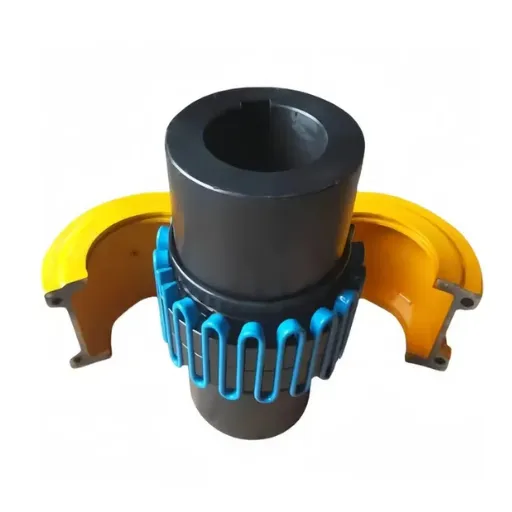
Industrial couplings appear in nearly every sector that uses rotating machinery. The best coupling for each application depends on the torque, speed, environment, and maintenance priorities.
Steel and Metallurgy
Rolling mills, continuous casting machines, and coilers transmit massive torque through gear couplings. The couplings must tolerate shock loads from bite impacts. They also handle misalignment caused by roll changes.
Drum gear couplings are a standard choice in these steel and metallurgy drives.
Mining and Cement
Crushers, ball mills, rotary kilns, and conveyors operate in dusty, high-load conditions. Tyre couplings and gear couplings handle the shock and misalignment in these mining and cement applications.
Maintenance access is critical because many plants run continuously except during planned shutdowns.
Chemical and Process Industry
Pumps, compressors, and mixers need reliable shaft connections. Diaphragm couplings work well for high-speed pumps, while gear or pin/bush couplings suit larger process machinery. Material compatibility with process fluids and temperatures is essential.
Automation and Precision Machinery
Servo motors, ball screws, and positioning tables need low-backlash couplings. Diaphragm, bellows, and some jaw couplings provide the precision these systems require. Low inertia and high torsional stiffness are often priorities.
Water and Wastewater
Motor-pump sets use jaw, pin/bush, or flexible disc couplings. These applications value simplicity, reliability, and easy maintenance. Vibration damping protects pump bearings and extends seal life.
Installation and Maintenance Best Practices
Even the best coupling will fail if it is installed wrong or neglected. Follow these practices to maximize service life.
Align Shafts Properly
Alignment is the single biggest factor in coupling life. Use dial indicators or laser alignment tools to bring shafts within the coupling manufacturer's limits. Do not assume that a flexible coupling will fix severe misalignment.
Use the Right Lubricant
Lubricated couplings, especially gear couplings, need the correct grease or oil. The wrong lubricant leads to poor film formation, wear, and overheating. Follow the manufacturer's recommendation and re-grease at the recommended interval.
Torque Bolts Correctly
Uneven bolt torque causes hub runout and vibration. Use a torque wrench and tighten bolts in a star pattern. Check bolt torque after the first few hours of operation and during scheduled maintenance.
Inspect Regularly
During shutdowns, inspect coupling elements for wear, cracks, and contamination. Replace elastomer inserts before they fail. Check gear teeth for pitting, scoring, or lubricant condition. Early detection prevents catastrophic failures.
When to Choose a Custom Industrial Coupling
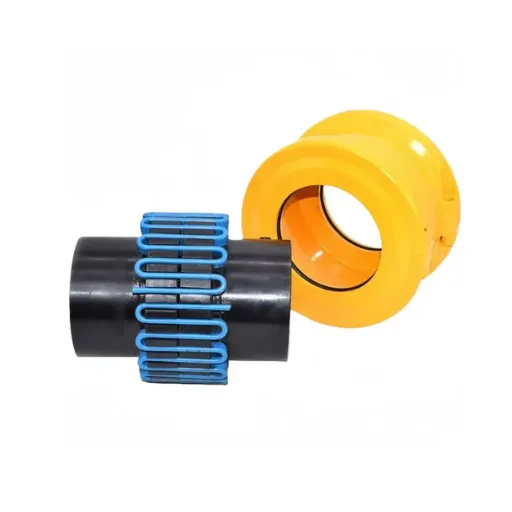
Catalog couplings cover many applications, but some situations require a custom design. Chen Wei, a maintenance supervisor at a steel plant in Thailand, learned this when his team's spare GIICL coupling did not fit a rebuilt gearbox. The new gearbox had a larger output shaft than the original, and no standard catalog size matched both bores.
Instead of machining the shafts to fit a catalog coupling, Chen sent Hebei Suju the gearbox drawing and the existing coupling dimensions. Our engineers designed a custom drum gear coupling with the correct bores, keyways, and spacer length. The plant received the part in three weeks and avoided a costly modification to the gearbox.
Consider a custom coupling when:
The shaft bores or spacing do not match standard sizes.
The torque, speed, or environment falls outside catalog ranges.
The original manufacturer has discontinued the part.
You are developing new equipment and need prototypes or small batches.
The coupling must match a worn or legacy component exactly.
As a custom coupling manufacturer, Hebei Suju specializes in drawing-based production. Send us your drawing or a worn sample.
Our engineers will review manufacturability, recommend materials, and provide a quotation. This service is especially valuable for MRO teams who need a replacement coupling fast.
Conclusion
Industrial couplings are small components with an outsized impact on machinery reliability. The right coupling transmits torque smoothly, tolerates misalignment, and protects surrounding equipment. The wrong coupling creates vibration, wear, and unplanned downtime.
Start your selection with torque, speed, and misalignment. Then factor in environment, maintenance access, and duty cycle. When a catalog coupling will not fit, a custom design from a qualified manufacturer keeps your equipment running.
Hebei Suju manufactures industrial couplings for machinery manufacturing, steel, mining, cement, chemical, and automation applications. Whether you need a standard flexible coupling or a custom gear coupling machined to your drawing, we can help.
Recently Posted
-
Jaw Coupling Spider Replacement: A Step-by-Step Maintenance Guide
July 28, 2026A maintenance technician at a packaging plant in Brazil noticed vibration on a motor-pump set during his morning rounds. The motor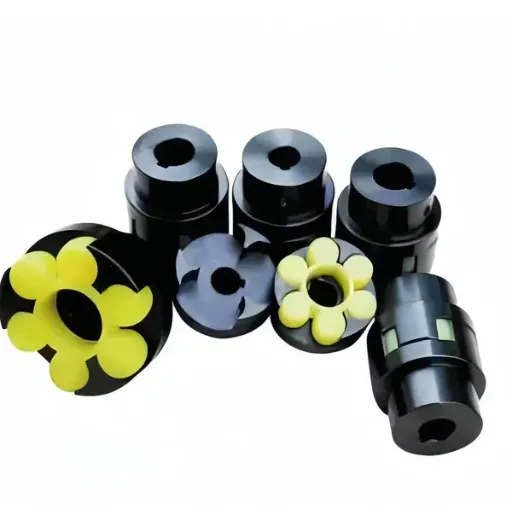 Read More
 -
Flexible Coupling for Motor Pump Sets: A Selection Guide
July 28, 2026A maintenance manager at a water treatment plant in Southeast Asia called us after replacing motor pump couplings three times in 1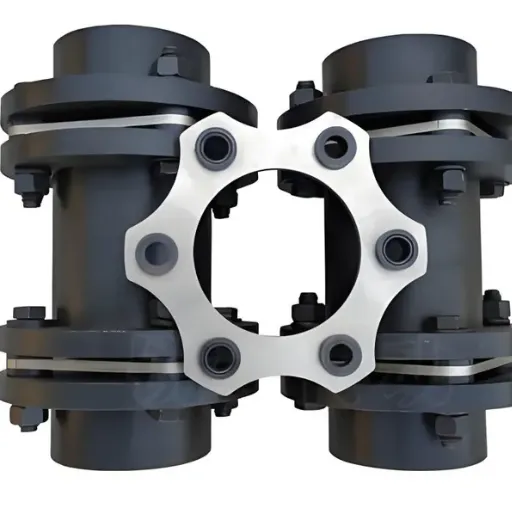 Read More
 -
Flexible Shaft Coupling: Selection Guide for Industrial Drives
July 28, 2026When two rotating shafts are connected directly, even a small amount of misalignment can generate vibration, bearing load, and pre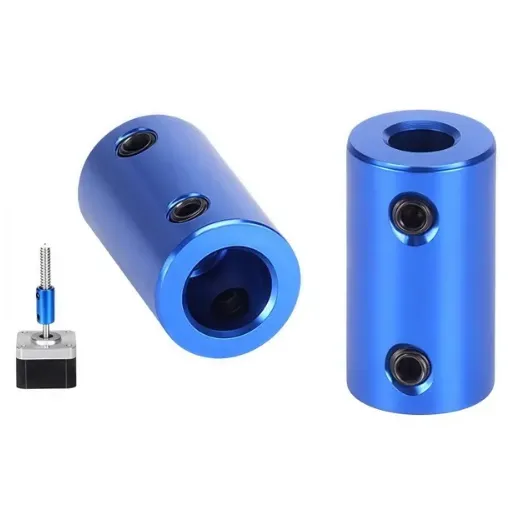 Read More
 -
Elastic Coupling: Vibration Control for Industrial Drives
July 28, 2026When a motor-pump set starts vibrating above acceptable limits, the first checks usually fall on bearing wear, impeller balance, o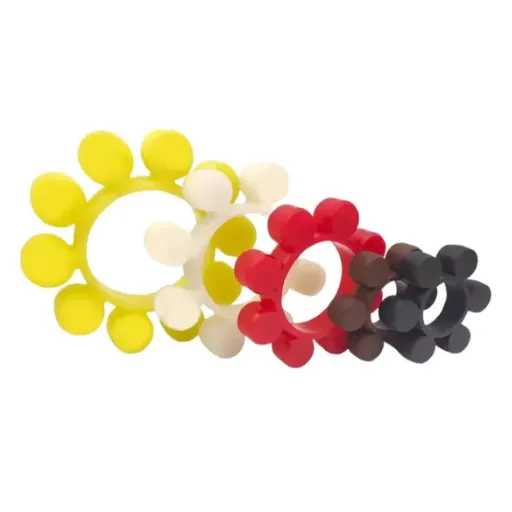 Read More

Contact Us
Recommended Products
-
 OEM Customizable Cardan Shaft Coupling Flexible Rigid Steel for Air Compressor Propeller Universal Construction Printing ShopsNegotiableMOQ: 2 Pieces
 -
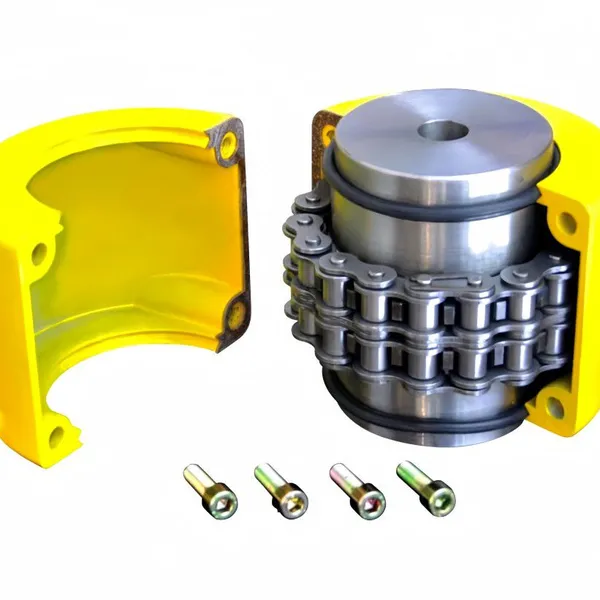
Kc Coulpling Roller Chain Coupling Set With Chain and Sprocket for General MachineryNegotiableMOQ: 1 Piece
-
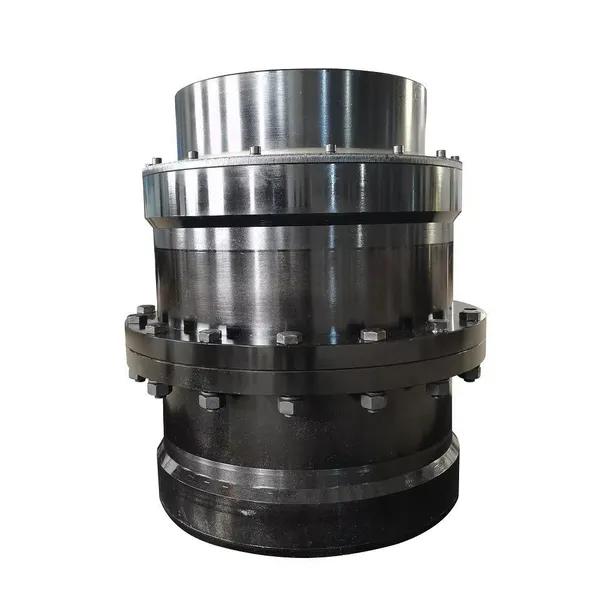
High Transmission Efficiency Drum Gear Coupling Easy Installation Gear Coupler For Heavy MachineryNegotiableMOQ: 10 Pieces
-
High-Torque Roller Chain Coupling Durable Steel Aluminium Construction Customizable Precision Engineering OEM Shaft CouplingsNegotiableMOQ: 2 Pieces
-
Customizable Rigid Iron Steel Aluminium Rubber Tyre Coupling OEM Support for Pumps Industrial Equipment Construction IndustriesNegotiableMOQ: 10 Pieces
-
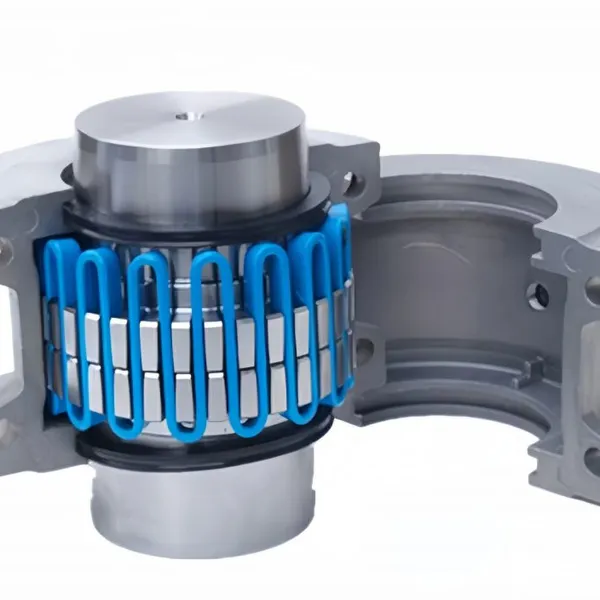
Jsb Flexible Grid Coupling With Metallic Elastic Element Factory Direct Spider Snake Spring CouplingNegotiableMOQ: 10 Pieces
-
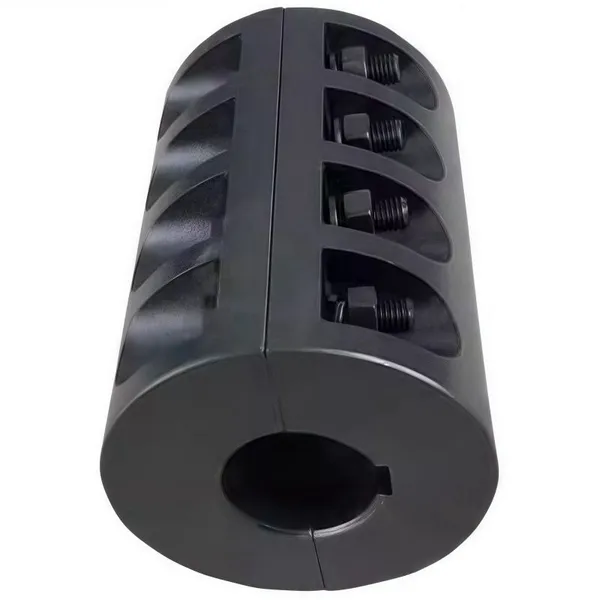
High Torque JQ/JQW Type Clamp Coupling for Motor & Gearbox 45 Steel Jacketed Iron Disc Structure Flexible Rigid OEM SupportedNegotiableMOQ: 2 Pieces
-
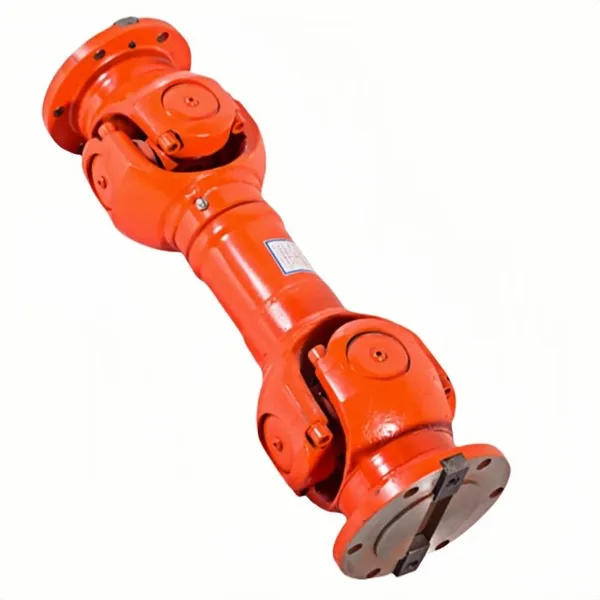
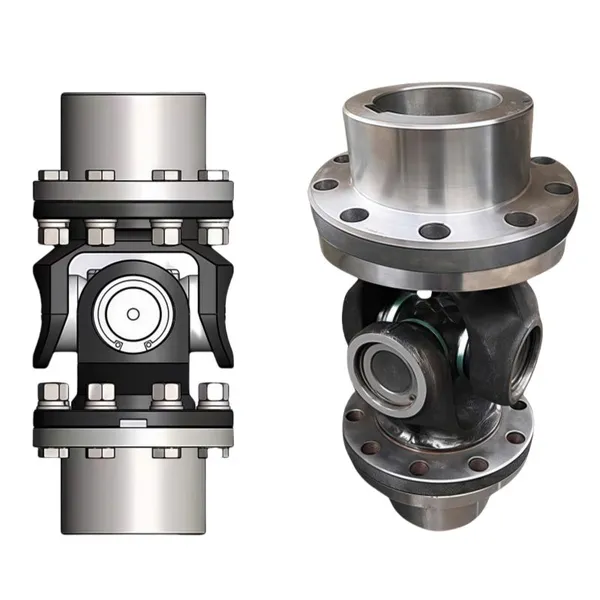
SWC Series Flange Universal Joint Coupling Hardened Cross Shaft Heavy Duty TransmissionNegotiableMOQ: 1 Piece
-
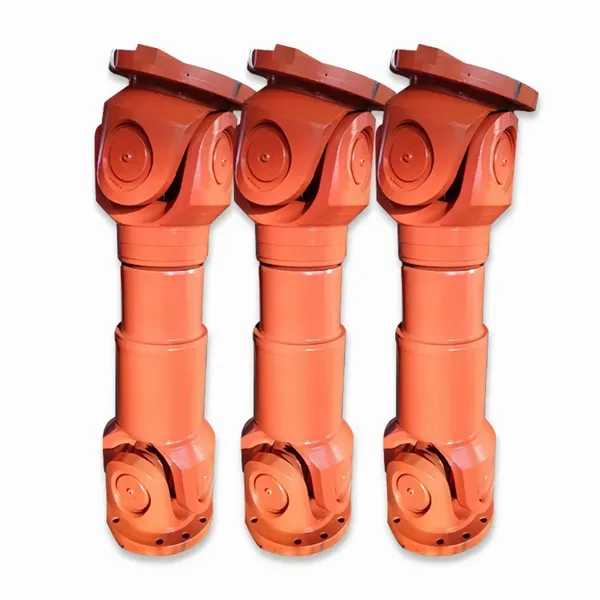
Heavy Duty Universal Coupling High Quality Universal Shaft for Machinery and EquipmentNegotiableMOQ: 1 Piece
-
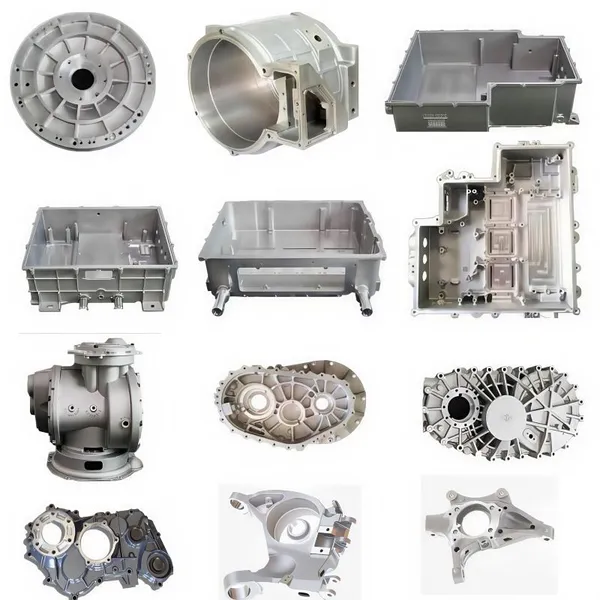
OEM Customized Precision Cast Iron Zinc Aluminum Die Castings New Hydraulic Parts Fittings 1 Year WarrantyNegotiableMOQ: 100 Pieces
-
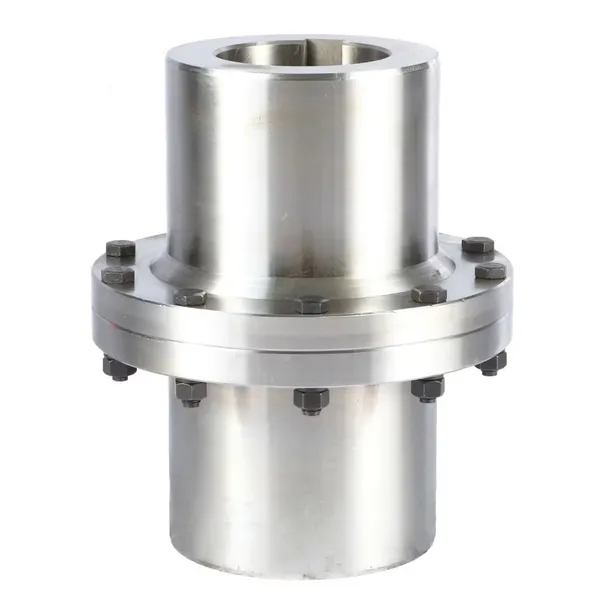
Yl Series Rigid Flange Coupling Power Transmission PartsNegotiableMOQ: 2 Pieces
-
Flange Coupling for Water Pump and Compressor Applications With Rubber Gasket SealNegotiableMOQ: 2 Pieces
-
Heavy-Duty Telescopic Welding Cardan Shaft for Universal UseNegotiableMOQ: 1 Piece
-
Flexible Universal Shaft Flange Coupling for Marine and Industrial Drive SystemsNegotiableMOQ: 10 Pieces
-
Durable Expansion Sleeve, Locking Assembly & Taper Lock Bushing for Robotic Arm JointsNegotiableMOQ: 1 Piece
-
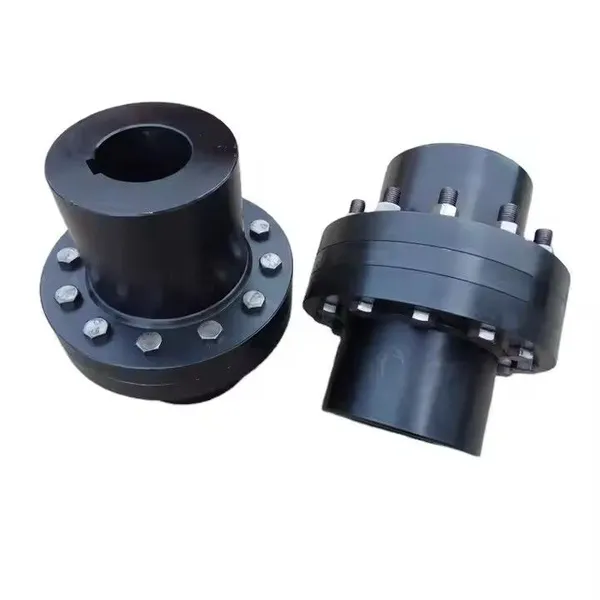
High Quality Yl Type Rigid Flange Coupling Mechanical Transmission CouplingNegotiableMOQ: 2 Pieces
-
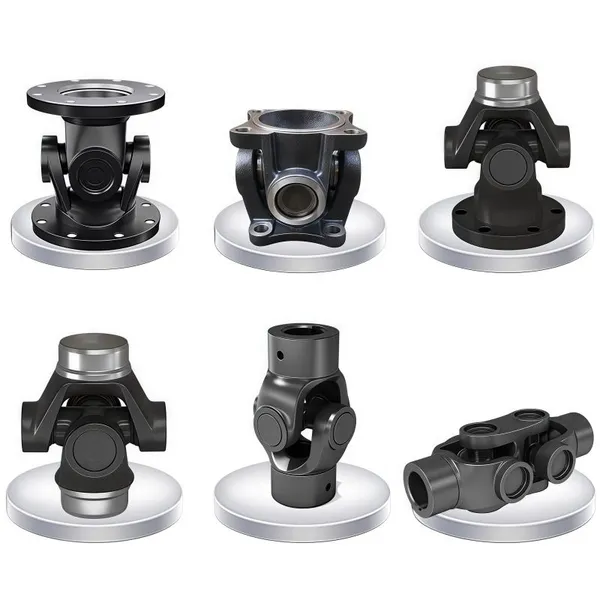
Stainless Steel Flexible Universal Joint Coupling for Motor Flange Gear Pump and Spline ShaftNegotiableMOQ: 1 Piece
-
Compact Drum Gear Coupling for Heavy Industrial Transmission High Torque CapacityNegotiableMOQ: 10 Pieces
-
Standard or Customized Jaw Beam (Helical) Flexible Coupling for General MachineryNegotiableMOQ: 10 Pieces
-
TL Series Elastic Pin Coupling Easy Replace Rubber Bush Coupling With Shaft Misalignment CompensationNegotiableMOQ: 10 Pieces