
 Business License
Types of Flexible Couplings: A Complete Industrial Guide
A maintenance manager at a chemical plant once replaced a failed coupling with the same part number and waited for the problem to disappear. Six months later, the new coupling failed too. The real issue was not the coupling quality. It was the wrong flexible coupling type for an application that produced high shock loads and constant angular misalignment.
That story repeats in factories around the world. Buyers and engineers often treat flexible couplings as interchangeable parts. They are not. The different types of flexible couplings vary widely in torque capacity, misalignment tolerance, vibration damping, and maintenance needs. Choosing the wrong type can shorten equipment life, increase downtime, and raise operating costs.
In this guide, you'll learn the main types of flexible couplings used in industrial power transmission. We'll explain how each type works, where it performs best, and what limits it has. You'll also see how to match a flexible coupling type to your torque, speed, misalignment, and environmental conditions. Whether you maintain pumps, conveyors, compressors, or heavy machinery, this article will help you make a more reliable selection.
At Hebei Suju, we manufacture and supply a full range of flexible couplings for industrial buyers and engineers. If you are unsure which type fits your application, send us your requirements for a free engineering review.
What Is a Flexible Coupling?
A flexible coupling connects two rotating shafts while allowing a limited amount of misalignment, vibration, or axial movement. Unlike a rigid coupling, it contains an elastic or movable element that absorbs shock, reduces vibration transmission, and compensates for shaft displacement.
Flexible couplings are used in motor-pump sets, compressors, fans, conveyors, crushers, automation equipment, and many other machines. Browse our full range of industrial couplings to compare rigid, flexible, and specialty designs. They protect motors, gearboxes, and driven equipment by reducing the transfer of vibration and shock loads. They also accommodate small amounts of angular, radial, and axial misalignment that occur during normal operation.
The key difference between the types of flexible couplings lies in how they handle misalignment and load. Some use elastomer elements. Others use metal discs, gear teeth, or universal joints. Each design trades off torque capacity, precision, maintenance, and cost. Understanding these trade-offs is the first step in selecting the right coupling for your equipment.
Why Flexible Coupling Type Matters
Not every flexible coupling can solve every problem. A coupling that works well on a smooth-running pump may fail quickly on a reciprocating compressor. A coupling that handles high torque may not tolerate the misalignment created by thermal expansion. The wrong choice leads to:
Premature wear of the flexible element
Excess vibration and bearing load
Heat buildup and lubrication failure
Frequent maintenance and unplanned downtime
Damage to connected equipment
The right choice, on the other hand, extends equipment life, reduces noise, and lowers total cost of ownership. That is why it pays to understand the different types of flexible couplings before placing an order.
Mini-Story: A project engineer named Ahmed was specifying a coupling for a wastewater treatment plant. The original design used a jaw coupling, but the pump produced repeated torque spikes and operated in a humid environment. The elastomer spider degraded every few months. After reviewing the duty cycle, Ahmed switched to a tyre coupling with better shock absorption and corrosion-resistant hardware. Downtime dropped, and the coupling now lasts more than twice as long.
Jaw Couplings (Spider Couplings)
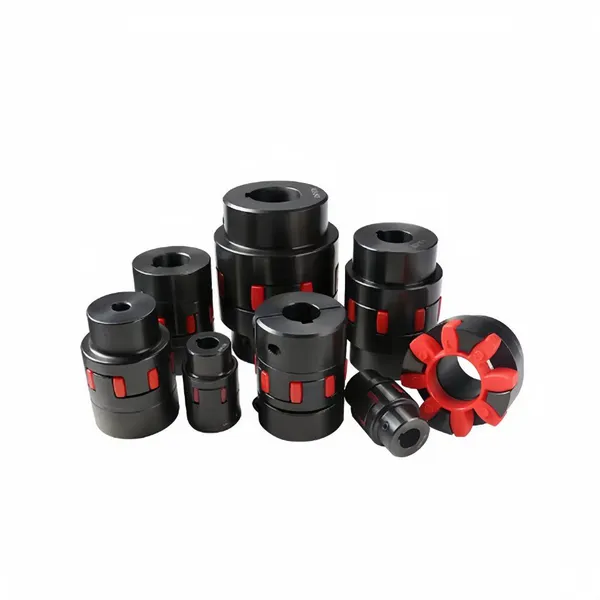
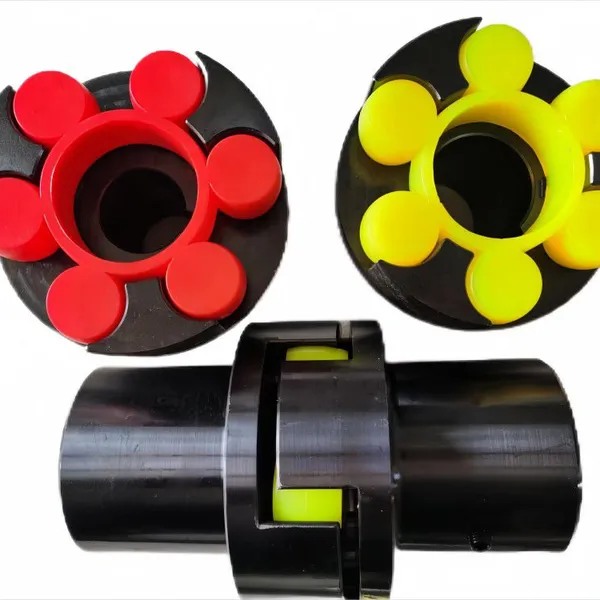
A jaw coupling is one of the most common types of flexible couplings. It consists of two metal hubs with interlocking jaws and an elastomer insert called a spider. The spider sits between the jaws and transmits torque while absorbing vibration and small amounts of misalignment.
As an elastomer coupling, the jaw coupling is simple, compact, and cost-effective. It requires no lubrication, and the spider can be replaced without moving the connected equipment. Jaw coupling spiders are available in polyurethane, rubber, or Hytrel, each offering different hardness, temperature range, and chemical resistance.
Best applications: Motor-pump sets, fans, compressors, blowers, and general industrial machinery.
Advantages: Low cost, easy installation, no lubrication, good vibration damping, fail-safe design.
Limitations: Limited torque and misalignment capacity; elastomer degrades with heat, chemicals, and UV exposure.
At Hebei Suju, we supply jaw couplings with polyurethane and rubber spiders for different operating conditions. For more details, see our dedicated jaw coupling guide.
Gear Couplings
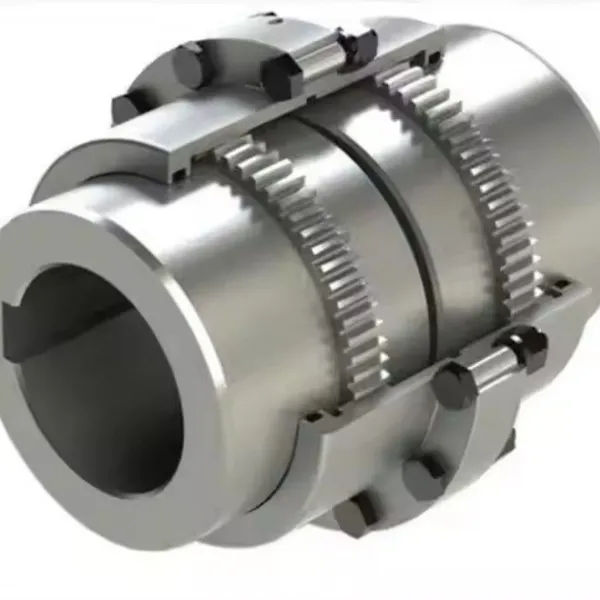
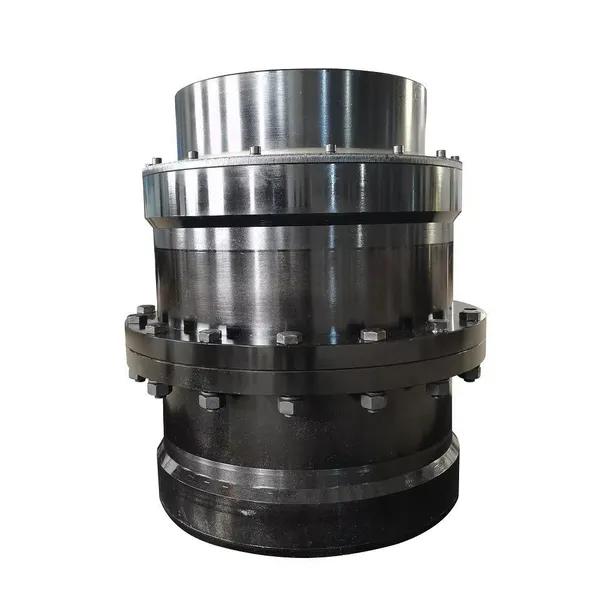
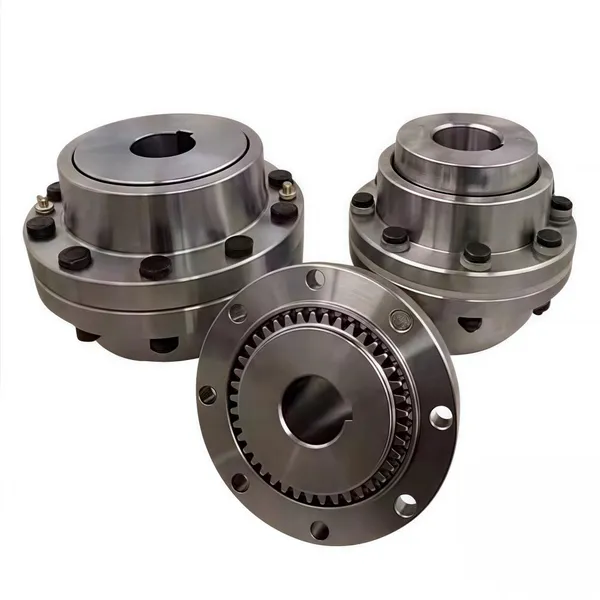
Among the types of flexible couplings used in heavy industry, gear couplings are often classified as flexible couplings because the crowned gear teeth allow angular, radial, and axial misalignment while transmitting torque. They consist of two hubs with external teeth and a sleeve with internal teeth. The crowned tooth profile maintains contact across the tooth face even when the shafts are slightly misaligned.
Gear couplings handle very high torque and tolerate moderate misalignment. They are heavier and more expensive than elastomer couplings, but they last longer in severe duty. Lubrication is required, and seals must keep out contamination.
Best applications: Steel rolling mills, mining crushers, cement kilns, cranes, large pumps, and heavy industrial drives.
Advantages: Very high torque capacity, long service life, tolerant of misalignment, suitable for severe duty.
Limitations: Require lubrication, heavier, higher cost, need periodic inspection and maintenance.
Hebei Suju manufactures GIICL drum gear couplings from forged alloy steel with heat-treated teeth for heavy-duty applications.
Tyre Couplings
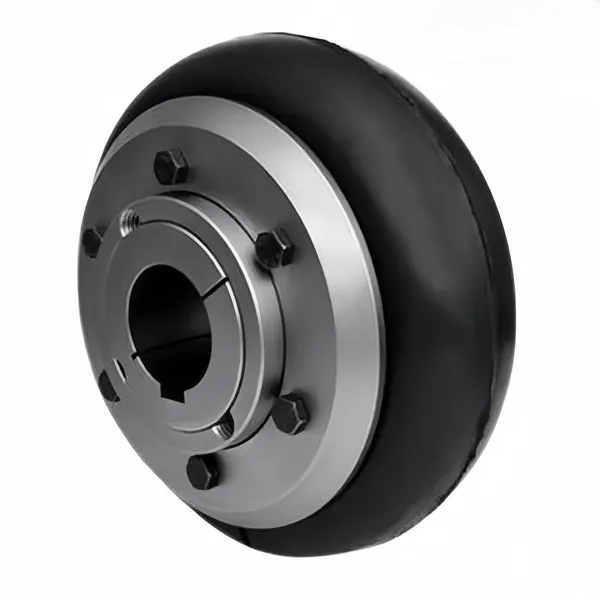
A tyre coupling uses a rubber tyre element between two hubs to transmit torque and absorb shock. The tyre is flexible, so it can handle relatively large angular, radial, and axial misalignment. It also provides excellent vibration isolation and dampens shock loads.
Tyre couplings are popular types of flexible couplings in applications with high shock loads or frequent starts and stops. The tyre element is easy to replace, but it does wear over time. Operating speed and temperature must be kept within the tyre material limits.
Best applications: Crushers, conveyors, reciprocating machinery, vibrating screens, and mining equipment.
Advantages: High shock absorption, large misalignment tolerance, easy replacement of tyre element, good vibration isolation.
Limitations: Bulky, speed limitations, tyre wear over time, sensitive to high temperatures and chemicals.
Diaphragm Couplings (Disc Couplings)
Diaphragm couplings, also called disc couplings, are precision types of flexible couplings that use thin metal discs or diaphragms to transmit torque while accommodating misalignment. A disc coupling provides a backlash-free connection with high torsional stiffness.
These couplings are precise, require no lubrication, and perform well at high speeds. For speeds above 3,000 RPM, specify dynamic balancing to the appropriate ISO grade. They are commonly used in turbines, compressors, and precision machinery where balance and accuracy matter. However, they have lower misalignment capacity than gear or tyre couplings and can be sensitive to overload.
Best applications: High-speed turbines, compressors, pumps, test stands, and precision machinery.
Advantages: No lubrication, zero backlash, high speed capability, precise torque transmission.
Limitations: Lower misalignment tolerance than gear or tyre couplings; sensitive to overload and fatigue.
Pin and Bush Couplings
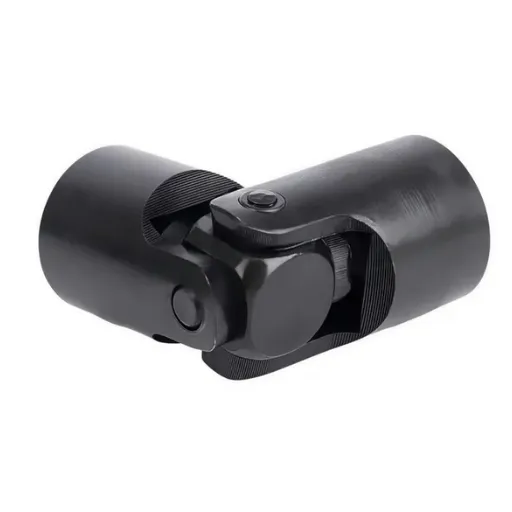
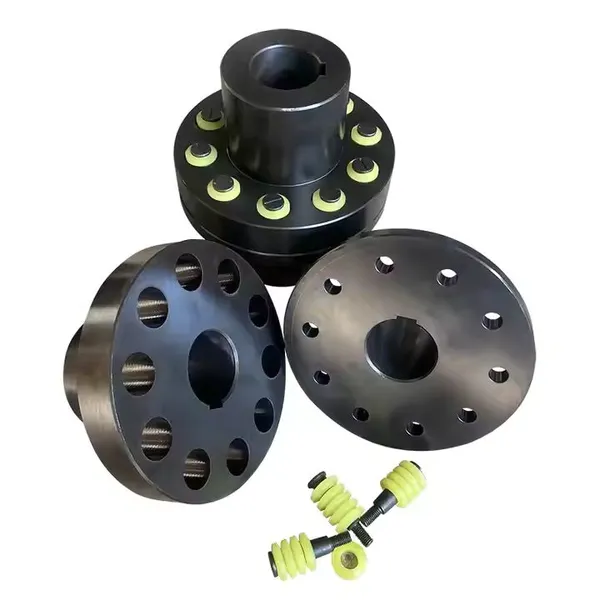
Pin and bush couplings are robust types of flexible couplings that use a set of pins with rubber or polyurethane bushes to transmit torque between two flanges. The bushes absorb vibration and shock while allowing small amounts of misalignment. The design is widely used in medium-duty industrial drives.
These couplings are simple to maintain because the bushes can be replaced individually. They offer a good balance of cost, torque capacity, and shock absorption for general machinery.
Best applications: Pumps, compressors, conveyors, mixers, and general industrial drives.
Advantages: Robust, easy to maintain, good shock absorption, cost-effective for medium duty.
Limitations: Moderate torque capacity; regular inspection and replacement of bushes needed.
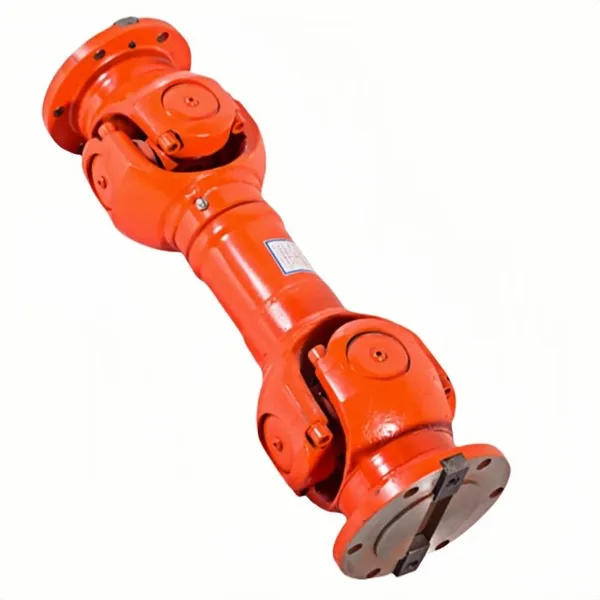
Universal Joint Couplings and Cardan Shafts
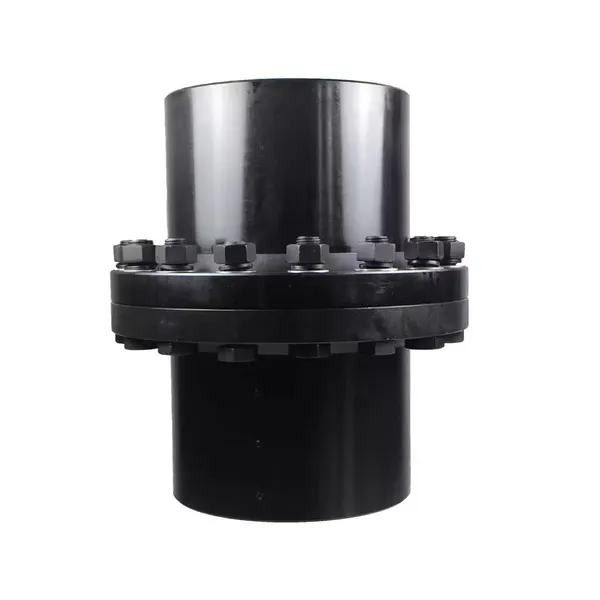
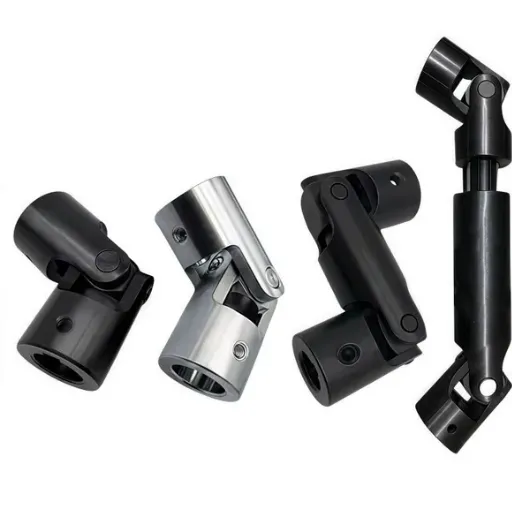
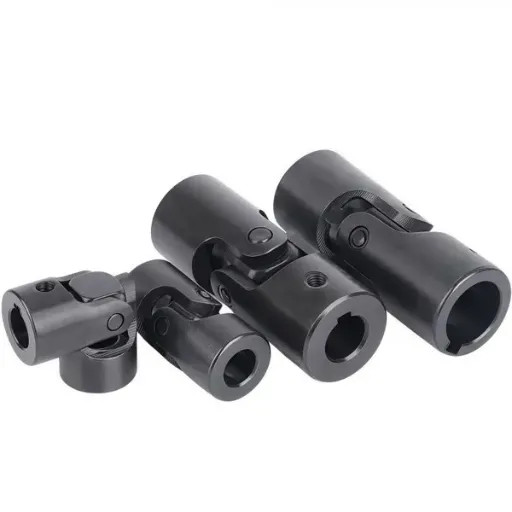
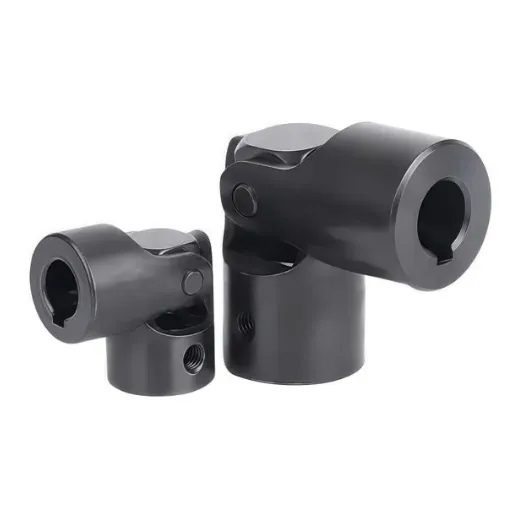
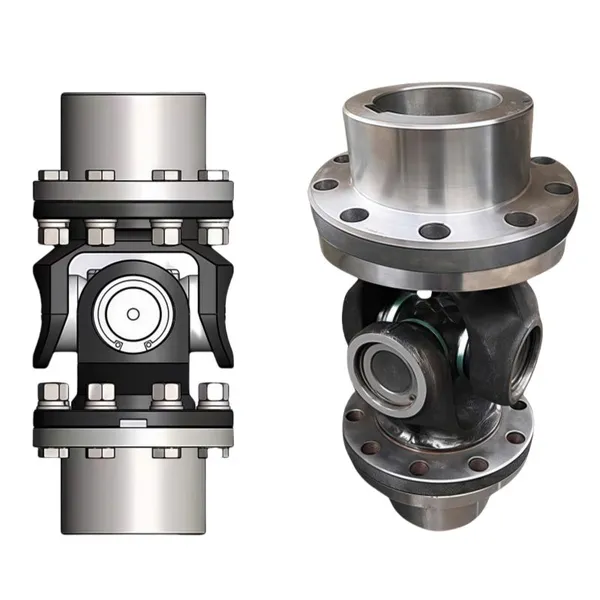
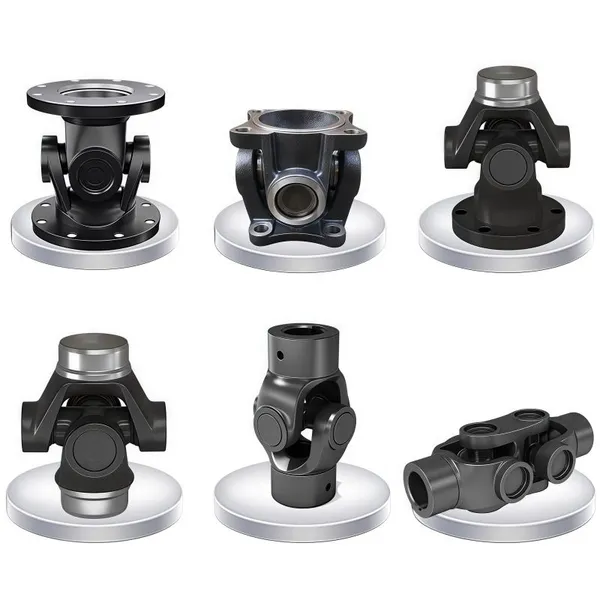
Universal joint couplings are specialized types of flexible couplings that allow large angular misalignment between shafts. A single universal joint can transmit torque at an angle, but it creates speed fluctuation when the angle is large. Double cardan shafts reduce this fluctuation and are used in long-distance shaft connections.
Cardan shafts are common in mobile equipment, industrial drives with offset shafts, and applications where shafts can't be aligned in a straight line. They handle high torque but require lubrication and maintenance of the joint bearings.
Best applications: Mobile equipment, long-distance shaft connections, steering systems, and industrial drives with large angular misalignment.
Advantages: Very large angular misalignment capacity, high torque transmission, long reach.
Limitations: Speed fluctuation at high angles, require lubrication and maintenance, need balancing at high speeds.
Hebei Suju manufactures cardan shafts and universal joint couplings for industrial and mobile applications.
Comparing Types of Flexible Couplings
The table below summarizes how the main types of flexible couplings compare across torque capacity, misalignment tolerance, and best applications.
| Coupling Type | Torque Capacity | Misalignment Tolerance | Best Applications |
|---|---|---|---|
| Jaw/Spider | Low to medium | Low to medium | Pumps, fans, compressors |
| Gear | Very high | Medium | Steel, mining, cement, cranes |
| Tyre | Medium | High | Crushers, conveyors, reciprocating machinery |
| Diaphragm/Disc | Medium to high | Low to medium | High-speed turbines, compressors |
| Pin/Bush | Medium | Medium | Pumps, compressors, general drives |
| Universal Joint/Cardan | High | Very high (angular) | Mobile equipment, long drives |
This comparison is a starting point, not a final answer. No single type works for every drive. The right choice depends on which constraint matters most: torque, speed, misalignment, shock, or space. For a deeper guide on selection, see our article on how to select an industrial coupling.
How to Select the Right Flexible Coupling Type
Flexible coupling selection requires a clear understanding of your application and the types of flexible couplings available. For a step-by-step coupling selection guide that walks through torque, speed, misalignment, and service factor calculations, see our dedicated resource page.
Start by calculating the nominal torque from motor power and speed. Then multiply by a service factor that accounts for startup loads, shock, reversing duty, and operating hours. The coupling you choose should have a rated torque above this adjusted value. After torque, match the coupling's misalignment and speed limits to your actual operating conditions. Follow these steps:
Calculate torque and speed. Determine nominal and peak torque from motor data. Apply an appropriate service factor based on application severity, AGMA guidelines and manufacturer catalogs are common references. Consider operating speed and whether dynamic balancing is needed.
Measure or estimate misalignment. Identify angular, radial, and axial displacement between shafts. Remember that thermal expansion and foundation settlement can change alignment over time.
Evaluate shock and vibration. Smooth-running pumps need different couplings than crushers or reciprocating compressors.
Consider the environment. Temperature, dust, moisture, and chemical exposure affect elastomer life, lubrication, and material choice.
Check maintenance access. Some couplings allow element replacement without moving equipment. Others require more downtime.
Match the coupling type to your priority. Torque, precision, shock absorption, or misalignment tolerance, which matters most?
If you are replacing a failed coupling, investigate the root cause before ordering. A different flexible coupling type may solve the underlying problem and improve your flexible coupling selection process.
Mini-Story: Maria, a reliability engineer at a paper mill, noticed repeated bearing failures on a fan drive. Vibration analysis pointed to the coupling. The original jaw coupling was undersized for the thermal expansion of the fan shaft. After measuring actual axial movement during startup, Maria selected a diaphragm coupling with higher axial travel and better balance. Bearing failures stopped, and fan uptime improved significantly.
Materials and Construction by Flexible Coupling Type
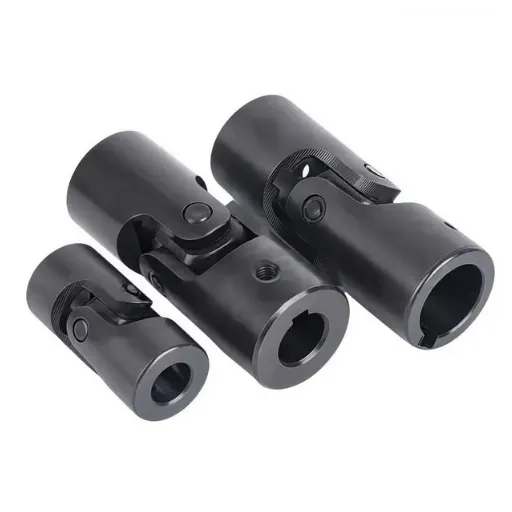
The materials used in a flexible coupling, together with its service factor, torsional stiffness, and fatigue resistance, affect its performance and service life:
Jaw coupling hubs: Typically aluminum or steel. Aluminum is lightweight and corrosion-resistant. Steel handles higher torque.
Spiders: Polyurethane, rubber, or Hytrel. Material choice depends on temperature, chemicals, and required damping.
Gear coupling hubs and sleeves: Alloy steel such as 42CrMo, heat-treated for surface hardness and core toughness.
Tyre elements: Natural rubber or synthetic compounds chosen for abrasion and oil resistance.
Diaphragm discs: Spring steel or stainless steel, carefully engineered for fatigue resistance.
Pin and bush couplings: Steel flanges with rubber or polyurethane bushes.
Cardan shafts: Alloy steel yokes and tubes, often balanced for high-speed use.
For critical applications, request material certificates and inspection reports from your supplier. Hebei Suju documents hardness values, material grades, and dimensional checks through our full-process quality system.
Common Mistakes When Selecting Flexible Coupling Types
Even experienced engineers can choose the wrong flexible coupling type. Avoid these common mistakes:
Copying the old part without analysis: A failed coupling may have been incorrectly specified from the start.
Ignoring service factor: Nominal torque alone doesn't account for startup, shock, and reversing loads.
Underestimating misalignment: All machines move. Measure or estimate real-world misalignment before selecting.
Wrong environment choice: Heat, chemicals, and UV exposure can destroy elastomer elements.
Neglecting maintenance: Gear and universal joint couplings need lubrication. Elastomer couplings need periodic inspection.
Overlooking balance requirements: High-speed applications need dynamically balanced couplings.
Mini-Story: A compressor OEM named Li Wei specified a standard jaw coupling for a new export machine to keep costs low. After delivery, the customer reported noise and vibration in a hot climate. The polyurethane spider hardened and cracked within months. Li Wei switched to a heat-resistant spider material and added a small axial clearance feature. The revised design performed reliably, and the change cost far less than a field failure.
When to Choose a Custom Flexible Coupling
Among the many types of flexible couplings, standard designs fit most common applications, but some situations require a custom solution. Consider a custom flexible coupling when:
Shaft bores or keyways are non-standard.
Space constraints require a special overall length or flange size.
Torque, speed, or misalignment exceeds catalog ranges.
The environment requires special materials, seals, or coatings.
The original manufacturer has discontinued the part.
You are developing new equipment and need a prototype or small batch.
At Hebei Suju, we specialize in drawing-based customization. Send us your drawing or worn sample, and our engineers will review manufacturability, recommend materials, and confirm torque and fit requirements.
Frequently Asked Questions About Types of Flexible Couplings
What are the main types of flexible couplings?
The main types of flexible couplings include jaw couplings, gear couplings, tyre couplings, diaphragm couplings, pin and bush couplings, and universal joint couplings. Each type uses a different mechanism to transmit torque while accommodating misalignment and vibration.
Which flexible coupling type is best for high shock loads?
Tyre couplings and gear couplings are generally best for high shock loads. Tyre couplings absorb shock through the rubber tyre element. Gear couplings handle shock through strong metal teeth and are better for very high torque.
Can a flexible coupling handle all types of misalignment?
No. Different flexible coupling types handle different combinations of angular, radial, and axial misalignment. Gear and tyre couplings tolerate relatively large misalignment. Diaphragm couplings tolerate less misalignment but offer high precision.
What is the difference between a jaw coupling and a gear coupling?
A jaw coupling uses an elastomer spider between two hubs to absorb vibration and small misalignment. A gear coupling uses meshing crowned teeth to transmit high torque and tolerate moderate misalignment. Jaw couplings are simpler and lower cost. Gear couplings are stronger and longer-lasting in heavy duty.
When should I use a diaphragm coupling instead of an elastomer coupling?
Use a diaphragm coupling when high speed, precision, and zero backlash are required. Elastomer couplings such as jaw or tyre types are better when vibration damping, low cost, or easy maintenance are the priority.
Do flexible couplings need maintenance?
Yes, but maintenance requirements vary by type. Elastomer couplings need periodic inspection of the spider or tyre element. Gear and universal joint couplings need lubrication and seal inspection. Diaphragm couplings generally need less maintenance but should still be inspected for fatigue or overload damage.
Conclusion
Understanding the types of flexible couplings helps you protect equipment, reduce vibration, and avoid premature failure. The best coupling for your application depends on torque, speed, misalignment, shock load, environment, and maintenance needs—not just the part number that was installed before.
Key takeaways:
Jaw couplings are simple, low cost, and ideal for smooth-running machinery.
Gear couplings handle very high torque and moderate misalignment in heavy industry.
Tyre couplings absorb shock and tolerate large misalignment in demanding applications.
Diaphragm couplings provide precision and high-speed performance.
Pin and bush couplings offer a robust, maintainable option for medium-duty drives.
Cardan shafts and universal joints solve large angular misalignment and long-distance drives.
At Hebei Suju, we help buyers and engineers select the right flexible coupling type for pumps, compressors, conveyors, crushers, steel mills, and automation equipment. Browse our flexible coupling products, or request a quotation to discuss your application with our engineering team.
Recently Posted
-
Jaw Coupling Spider Replacement: A Step-by-Step Maintenance Guide
July 28, 2026A maintenance technician at a packaging plant in Brazil noticed vibration on a motor-pump set during his morning rounds. The motor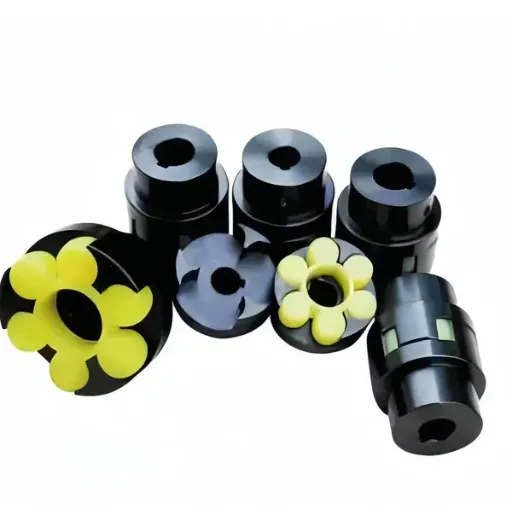 Read More
 -
Flexible Coupling for Motor Pump Sets: A Selection Guide
July 28, 2026A maintenance manager at a water treatment plant in Southeast Asia called us after replacing motor pump couplings three times in 1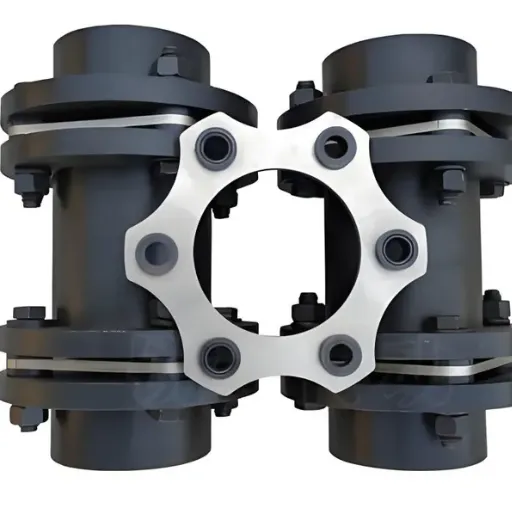 Read More
 -
Flexible Shaft Coupling: Selection Guide for Industrial Drives
July 28, 2026When two rotating shafts are connected directly, even a small amount of misalignment can generate vibration, bearing load, and pre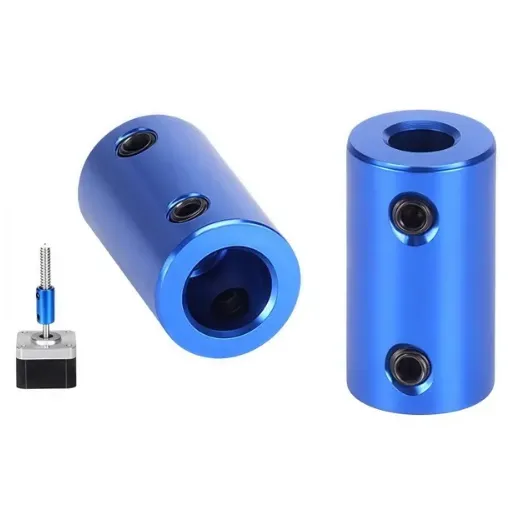 Read More
 -
Elastic Coupling: Vibration Control for Industrial Drives
July 28, 2026When a motor-pump set starts vibrating above acceptable limits, the first checks usually fall on bearing wear, impeller balance, o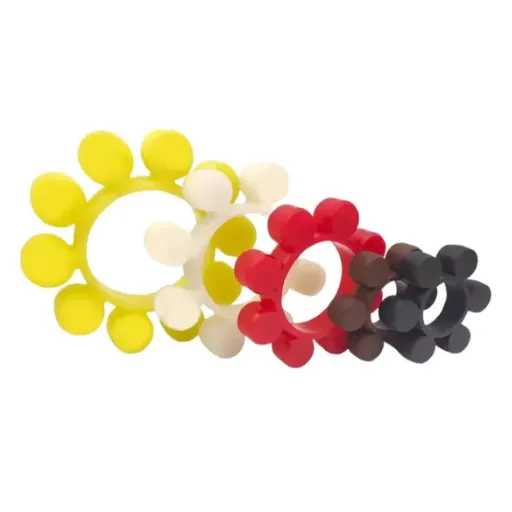 Read More

Contact Us
Recommended Products
-
 OEM Customizable Cardan Shaft Coupling Flexible Rigid Steel for Air Compressor Propeller Universal Construction Printing ShopsNegotiableMOQ: 2 Pieces
 -
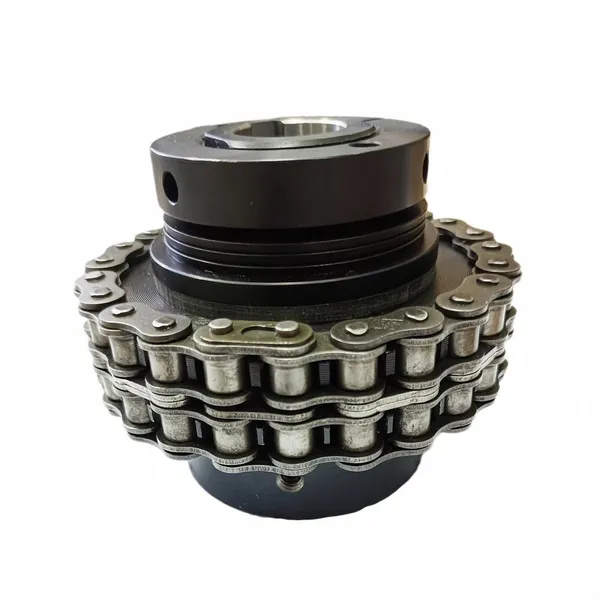
Kc Coulpling Roller Chain Coupling Set With Chain and Sprocket for General MachineryNegotiableMOQ: 1 Piece
-
High Transmission Efficiency Drum Gear Coupling Easy Installation Gear Coupler For Heavy MachineryNegotiableMOQ: 10 Pieces
-
High-Torque Roller Chain Coupling Durable Steel Aluminium Construction Customizable Precision Engineering OEM Shaft CouplingsNegotiableMOQ: 2 Pieces
-
Customizable Rigid Iron Steel Aluminium Rubber Tyre Coupling OEM Support for Pumps Industrial Equipment Construction IndustriesNegotiableMOQ: 10 Pieces
-
Jsb Flexible Grid Coupling With Metallic Elastic Element Factory Direct Spider Snake Spring CouplingNegotiableMOQ: 10 Pieces
-
High Torque JQ/JQW Type Clamp Coupling for Motor & Gearbox 45 Steel Jacketed Iron Disc Structure Flexible Rigid OEM SupportedNegotiableMOQ: 2 Pieces
-
SWC Series Flange Universal Joint Coupling Hardened Cross Shaft Heavy Duty TransmissionNegotiableMOQ: 1 Piece
-
Heavy Duty Universal Coupling High Quality Universal Shaft for Machinery and EquipmentNegotiableMOQ: 1 Piece
-
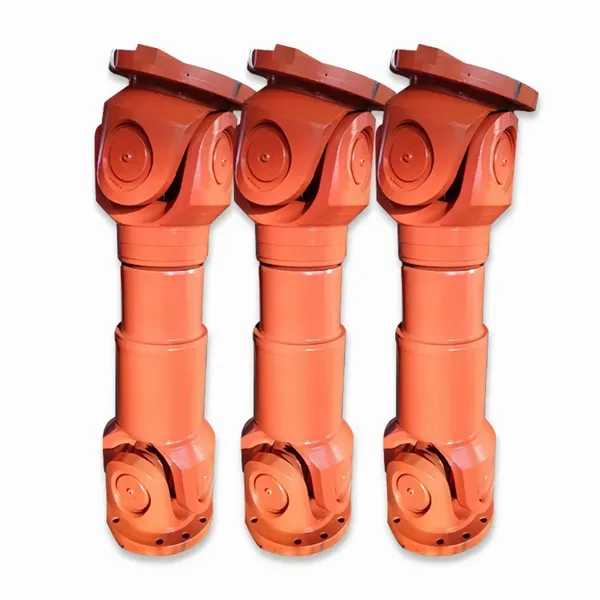
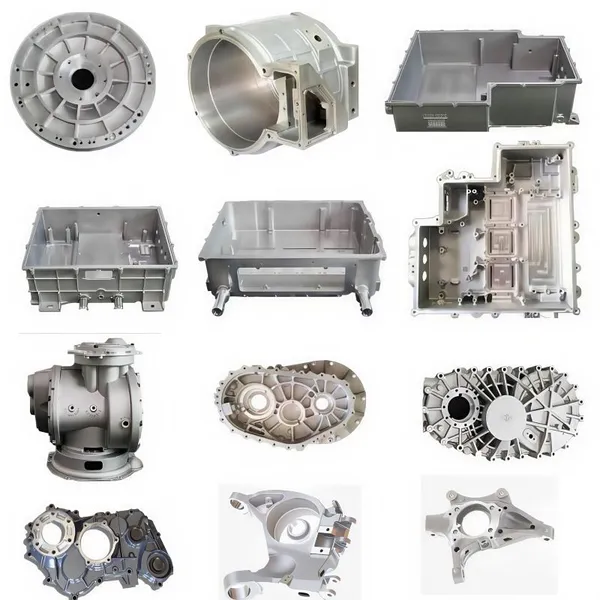
OEM Customized Precision Cast Iron Zinc Aluminum Die Castings New Hydraulic Parts Fittings 1 Year WarrantyNegotiableMOQ: 100 Pieces
-
Yl Series Rigid Flange Coupling Power Transmission PartsNegotiableMOQ: 2 Pieces
-
Flange Coupling for Water Pump and Compressor Applications With Rubber Gasket SealNegotiableMOQ: 2 Pieces
-
Heavy-Duty Telescopic Welding Cardan Shaft for Universal UseNegotiableMOQ: 1 Piece
-
Flexible Universal Shaft Flange Coupling for Marine and Industrial Drive SystemsNegotiableMOQ: 10 Pieces
-
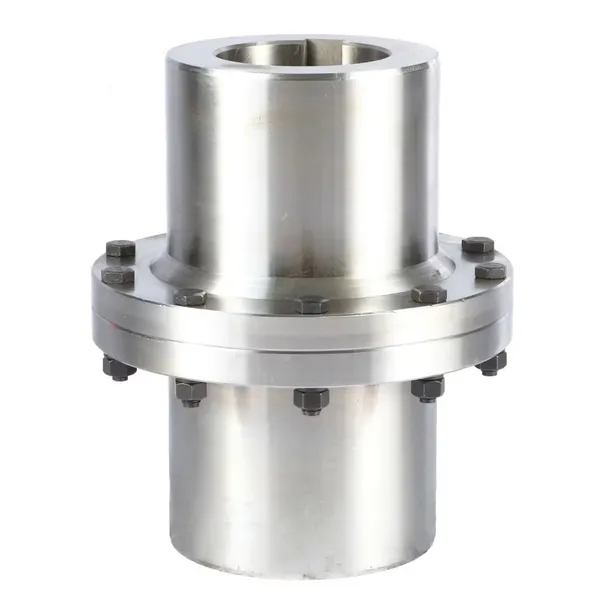
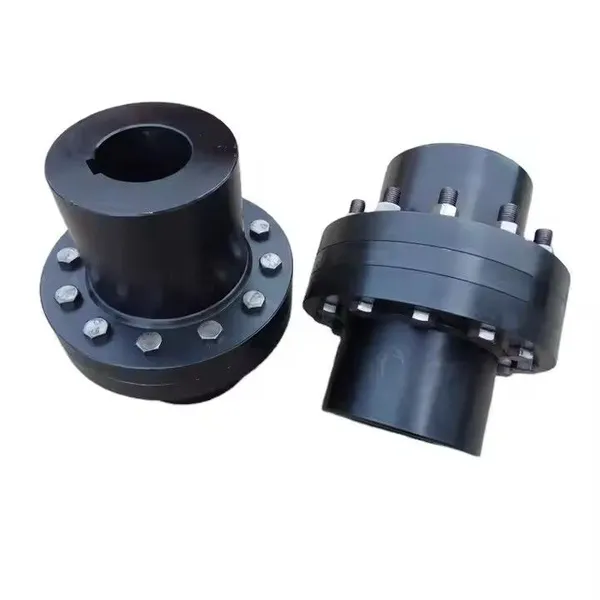
Durable Expansion Sleeve, Locking Assembly & Taper Lock Bushing for Robotic Arm JointsNegotiableMOQ: 1 Piece
-
High Quality Yl Type Rigid Flange Coupling Mechanical Transmission CouplingNegotiableMOQ: 2 Pieces
-
Stainless Steel Flexible Universal Joint Coupling for Motor Flange Gear Pump and Spline ShaftNegotiableMOQ: 1 Piece
-
Compact Drum Gear Coupling for Heavy Industrial Transmission High Torque CapacityNegotiableMOQ: 10 Pieces
-
Standard or Customized Jaw Beam (Helical) Flexible Coupling for General MachineryNegotiableMOQ: 10 Pieces
-
TL Series Elastic Pin Coupling Easy Replace Rubber Bush Coupling With Shaft Misalignment CompensationNegotiableMOQ: 10 Pieces